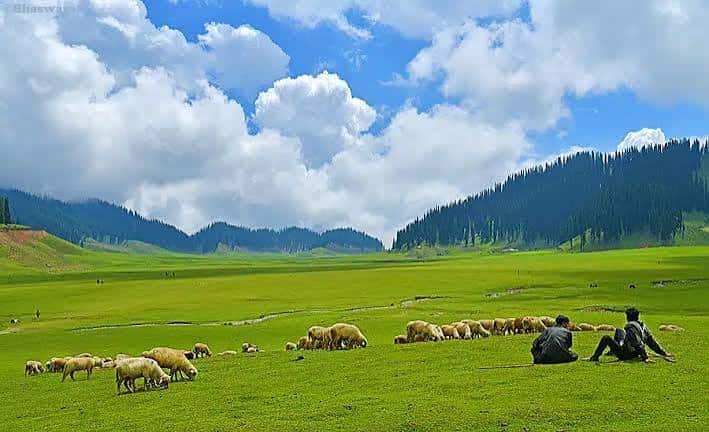
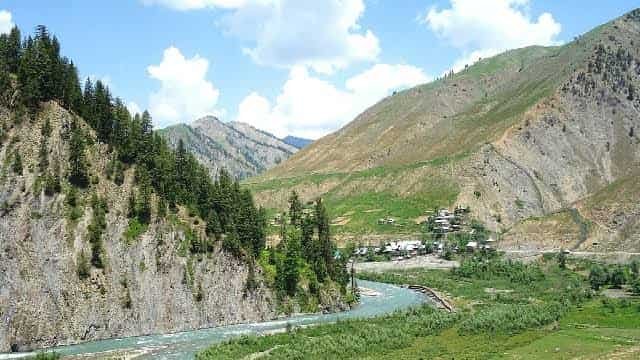
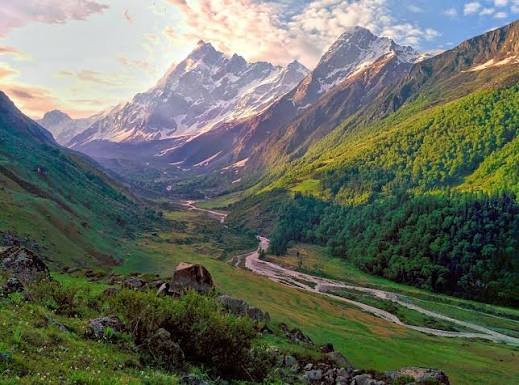
The same river runs through Keran Valley under two different names — Kishanganga on the Indian side, Neelum once it crosses into Pakistan-administered Kashmir. That single geographic fact captures what makes this Kupwara district village unlike anywhere else in the Kashmir Valley: a settlement sitting directly on the Line of Control, opened to civilian tourism only in 2021, where villagers on opposite banks are close enough to wave at each other across a border that otherwise defines the region’s entire modern history. For travellers drawn to genuinely unusual places over conventional sightseeing, Keran offers something few Kashmir destinations can.
Keran Valley: Quick Facts
| Aspect | Details |
| Location | Kupwara district, North Kashmir (on the Line of Control) |
| Altitude | Approx. 1,500-1,600 metres (5,000 feet) |
| River | Kishanganga (known as the Neelum across the LoC in Pakistan) |
| Distance from Srinagar | Approx. 130-145 km |
| Distance from Kupwara | Approx. 47-50 km |
| Travel Time from Srinagar | 4-6 hours by road |
| Route | Srinagar – Handwara – Kupwara – Mandian – Keran |
| Highest Point En Route | Farkyan Pass (Pharkian Top), approx. 8,000 ft |
| Permit | Mandatory (special LoC-area permit) |
| Checkpoints | 7-9 between Kupwara and Keran |
| Local Community | Shina-speaking Dardic people |
| Opened to Tourism | 2021 |
| Best Time to Visit | April to October (peak July-August; best photography September-October) |
| Ideal Duration | 1-2 nights |
Permits and How to Reach Keran Valley
Given its position directly on the Line of Control, reaching Keran involves both a mandatory permit process and a multi-stage road journey through checkpoints.
- Permit Requirement: A special permit is mandatory for this LoC-area destination, typically processed en route, with checkpoint stops built into the journey.
- By Air: Srinagar’s Sheikh ul-Alam International Airport is the nearest airport, serving as the starting point for the entire trip.
- The Route: Srinagar to Handwara, then Kupwara, continuing through Mandian (or Kralpora) and over Farkyan Pass before descending into Keran — a journey of roughly 130-145 km taking 4-6 hours depending on road conditions and checkpoint processing time.
- Checkpoint Stops: Between 7 and 9 checkpoints line the route between Kupwara and Keran, so factor in extra time beyond pure driving distance.
- Transport Options: A private taxi from Srinagar is the most comfortable option; shared sumo services also run via Kupwara and Mandian for budget travellers, and bikers can rent a bike in Srinagar for a more immersive ride through the Kupwara district’s forests and mountains.
- Realistic Planning: Given the distance and permit stop involved, this isn’t a trip to squeeze into a rushed single day — plan for at least one overnight stay in Keran itself.
Best Time to Visit Keran Valley
Keran’s accessible window is shaped by both weather and road conditions over Farkyan Pass, making certain months notably better than others.
- April to June: The valley reopens after winter with green meadows and wildflowers on the hillsides, though the road over Farkyan Pass may still carry snow in early April — worth verifying before travel.
- July to August: Considered the best weather window, with the most stable road conditions and the river running full and clear — the peak visiting period for the relatively few travellers who make it out here.
- September to October: Autumn colours across the hillsides and valley floor, crisp air, fewer visitors, and excellent photography conditions — one of the most rewarding times to visit for those prioritizing atmosphere over peak-season activity.
- November Onward: Access becomes increasingly limited as winter sets in, with road conditions over the pass deteriorating.
Things to Do in Keran Valley
Given Keran’s remote, recently-opened character, its appeal lies in quiet immersion rather than a checklist of sights.
- Walk Along the Kishanganga River: The valley’s centrepiece experience, with peaceful riverside walks especially rewarding in the softening evening light.
- Try Fishing: The Kishanganga offers a relaxed fishing opportunity for those wanting to spend unhurried time by the water.
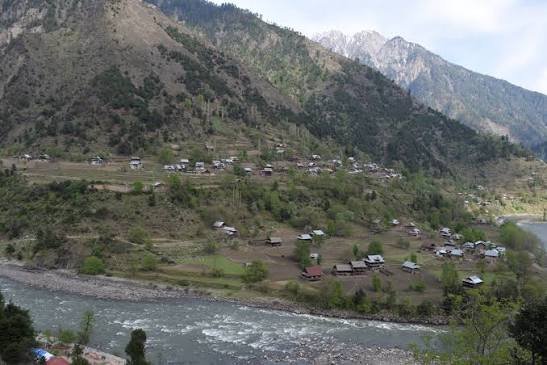
- Photograph the Border Landscape: The valley’s setting — wooden houses, river views, and the LoC itself — makes for genuinely distinctive photography compared to more conventional Kashmir scenery.
- Take a Guided Village Walk: Local guides can offer insight into the Shina-speaking Dardic community’s way of life, distinct from the broader Kashmiri culture found elsewhere in the valley.
- Visit Teetwal Valley: Often combined with a Keran trip in a single tour, Teetwal offers its own border bridge over the Kishanganga River and additional scenic stops.
- Stop at Farkyan Pass (Pharkian Top): The high point on the drive in, offering sweeping views before the descent into Keran itself.
- Camp by the Riverbank: Given the valley’s undeveloped tourism infrastructure, camping near the Kishanganga is a popular way to fully experience Keran’s quiet character overnight.
The Border Experience: What Makes Keran Different
Since Keran’s core appeal is fundamentally different from typical Kashmir sightseeing, understanding what actually draws visitors here matters before planning a trip.
- A Living Border, Not a Monument: Unlike war memorials or fortified checkpoints elsewhere, Keran offers a genuinely lived-in border experience — villagers on the Indian side and their counterparts across the Kishanganga/Neelum have, at times, been close enough to interact informally across the water, a detail that captures the human geography of the Kashmir divide in a way few other places can.
- No List of Sights to Work Through: Keran doesn’t offer a packed sightseeing itinerary; its value is in the setting itself — the river, the mountains, the quiet village life — rather than any single attraction.
- Who This Trip Suits: Best for travellers with genuine interest in the human geography of the India-Pakistan divide, those who value quiet, unusual places over conventional tourism, and photographers drawn to the specific autumn light conditions of October.
- Very Limited Connectivity: Internet access is minimal in Keran, reinforcing its character as a genuine escape rather than a connected getaway — plan accordingly if you need to stay reachable.
- Recent Opening Means Light Infrastructure: Since tourism only began here in 2021, expect basic guesthouse or homestay accommodation rather than developed hotel options, in keeping with the valley’s still-emerging tourism profile.
FAQs
Q1. Do I need to arrange the Keran Valley permit in advance, or is it processed during the journey?
The special permit for this LoC-area destination is typically processed at checkpoints along the route itself, though confirming current requirements with a local tour operator in Srinagar before departure helps avoid delays on the day of travel.
Q2. Is Keran Valley safe to visit given its location directly on the Line of Control?
Since opening to tourism in 2021, Keran has developed a track record as a manageable, permit-controlled destination, though as with any LoC-adjacent area, checking current ground conditions with local authorities or a trusted operator before finalizing travel plans is a sensible precaution.
Q3. How much time should I realistically set aside for a Keran Valley trip from Srinagar?
Given the 4-6 hour one-way drive and multiple checkpoint stops, plan for at least one overnight stay in Keran rather than attempting a single-day round trip — most visitors find one night and one full day sufficient to experience the valley properly.
Q4. Can I combine a visit to Keran Valley with nearby Teetwal in the same trip?
Yes, many tours combine both destinations, since Teetwal’s own border bridge over the Kishanganga River sits within reasonable reach of Keran, making it a natural addition to a 2-3 day North Kashmir itinerary rather than a separate trip.