Twelve sharp hairpin bends packed into barely four to five kilometres of National Highway 30 — that’s Keshkal Ghati, the scenic mountain pass that marks the transition between Kanker and Bastar districts in Chhattisgarh. Cutting through dense forest on the Raipur-Jagdalpur route, Keshkal Valley has become one of Central India’s more memorable highway stretches, drawing both road-trippers passing through to Bastar’s tribal heartland and travellers specifically detouring for its viewpoints, waterfalls, and green hillside scenery.
Keshkal Valley: Quick Facts
| Aspect | Details |
| Location | Keshkal tehsil, Kondagaon district, Chhattisgarh |
| Route | National Highway 30, between Kondagaon and Kanker |
| Ghat Stretch | Approx. 4-5 km with 10-12 hairpin bends |
| Also Marks | Border between Kanker and Bastar districts |
| Distance from Raipur | Approx. 172-199 km |
| Distance from Jagdalpur | Approx. 124-132 km |
| Distance from Kanker | Approx. 30 km |
| Nearest Airport | Raipur Airport (also Jagdalpur Airport) |
| Nearest Railway Station | Dhamtari or Dalli-Rajhara |
| Best Time to Visit | November to February |
| Known For | Hairpin bends, dense forest, viewpoints, waterfalls |
| Nearby Attractions | Tatamari Viewpoint, Kuyemari Waterfall, Panchavati |
Things to Do in Keshkal Valley
Beyond simply navigating its famous curves, Keshkal Valley offers a handful of genuine stops worth building into a Raipur-Bastar road trip.
- Drive the Keshkal Ghat: The main attraction itself — a dense, forested stretch of highway with sweeping curves offering panoramic valley views at several points along the way.
- Visit Tatamari Viewpoint: Just about 4 km from the valley, this spot offers wide views over the surrounding hills and is a popular quick stop for photographers.
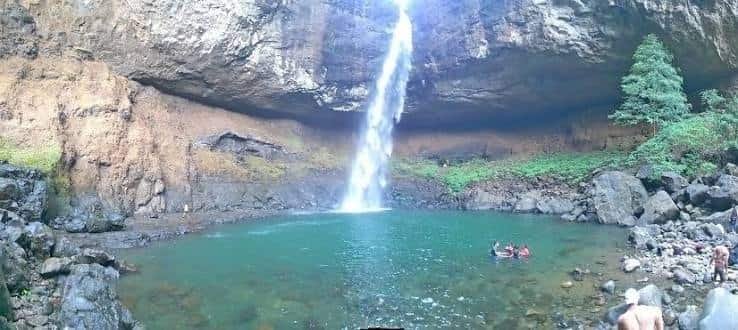
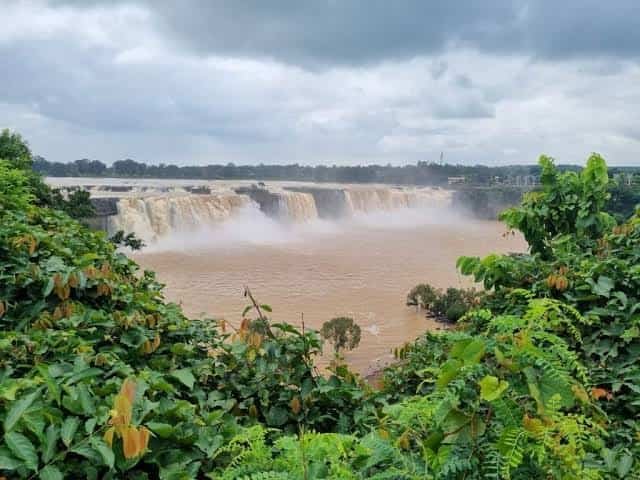
- See Kuyemari Waterfall: Located roughly 25 km from Keshkal, this waterfall is best visited between July and October when monsoon rains bring it to full flow.
- Visit Keshkal Panchavati: A tourist spot roughly 2 km from the Keshkal bus stand, offering a quieter, more contemplative stop compared to the busier highway viewpoints.
- Explore Gobrayin Pilgrim Centre: A short distance away, this site houses a Shivalinga temple significant to local pilgrims and adds a cultural dimension to a Keshkal visit.
- Visit Maa Mahalakshmi Shakti Peeth: A notable temple in the Tatamari-Suradongar area near Keshkal, drawing devotees alongside sightseers.
- Photograph the Forest Canopy: The dense greenery flanking the highway, particularly vivid during and after monsoon, makes Keshkal one of the more visually rewarding highway stretches in Chhattisgarh.
Best Time to Visit Keshkal Valley
Given its location within Chhattisgarh’s monsoon-influenced climate, the timing of your visit affects both scenery and road safety.
- November to February (Winter): The clear recommendation, offering pleasant, cool weather ideal for enjoying the valley’s outdoor attractions and viewpoints without summer heat or monsoon hazards.
- July to October (Monsoon): While the surrounding hills turn lush and green, and Kuyemari Waterfall specifically reaches its best flow during this window, wet roads and reduced visibility make the ghat’s hairpin bends considerably more hazardous to drive.
- March to June (Summer): Generally less recommended, given Chhattisgarh’s intense pre-monsoon heat, which can make extended outdoor exploration uncomfortable.
- Combining with Jagdalpur: Since Jagdalpur’s own best season (October to March) overlaps well with Keshkal’s ideal window, and features the Bastar Dussehra festival, planning a combined trip during this period maximizes what you’ll experience.
How to Reach Keshkal Valley
Since Keshkal sits directly on the Raipur-Jagdalpur highway, reaching it is straightforward for anyone travelling this well-established Chhattisgarh route.
- By Air: Raipur Airport is the more commonly used gateway, with Jagdalpur Airport serving as a second option depending on your direction of travel; from either, road transport covers the remaining distance.
- By Train: Dhamtari and Dalli-Rajhara serve as the nearest railway stations, though most travellers combine rail with a subsequent road journey given limited direct connectivity to Keshkal itself.
- By Road from Raipur: Approximately 172-199 km via NH30, passing through Kanker before reaching the Keshkal ghat section.
- By Road from Jagdalpur: A shorter stretch of roughly 124-132 km, typically taking around 2-2.5 hours via NH30 through Bastar and Kondagaon.
- From Kondagaon: Keshkal sits about 60 km north of Kondagaon on the same highway, making it an easy stop for those exploring the broader Bastar tribal region.
Driving the Keshkal Ghat Safely
Given the genuinely demanding nature of this stretch, a few road-specific precautions matter more here than at a typical scenic viewpoint.
- Expect Blind Turns and Mixed Traffic: The ghat features numerous sharp, blind hairpin bends shared with truck traffic and less experienced drivers, so maintaining a cautious speed and using your horn at curves is genuinely important.
- No Eateries Along the Stretch: The ghat section itself has no dedicated stops for food or rest, so plan refreshment breaks before entering or after clearing the winding portion.
- Watch for Lane Changes: Reviewers specifically note that some drivers, particularly amateur ones on this challenging stretch, tend to change lanes unpredictably, so staying alert to vehicles around you is essential.
- Best Driven in Daylight: Given the combination of curves, forest cover, and mixed traffic, tackling the Keshkal ghat during daylight hours is considerably safer than attempting it after dark.
- Pace Yourself: While the entire ghat stretch covers just 4-5 km, budgeting closer to an hour for this section (rather than rushing) allows time to actually enjoy the viewpoints along the way rather than treating it purely as an obstacle.
FAQs
Q1. Is Keshkal Valley worth a dedicated stop, or is it purely a highway pass-through?
It works well both ways — road-trippers between Raipur and Jagdalpur will naturally pass through it, but the viewpoints, nearby waterfall, and temples make it genuinely worth a deliberate stop rather than just a quick drive-through if you have an extra hour or two to spare.
Q2. Is it safe to drive the Keshkal ghat road with a family, including children?
It’s manageable with cautious driving, but given the sharp blind turns and mixed heavy-vehicle traffic, an experienced driver comfortable with hill and hairpin roads is important, and taking the drive slowly rather than rushing makes it considerably safer for family travel.
Q3. Can I visit Kuyemari Waterfall and the main Keshkal ghat viewpoints in a single day trip?
Yes, since Kuyemari Waterfall sits about 25 km from Keshkal, combining both is entirely feasible in a single day, though plan for monsoon-season timing (July-October) specifically if seeing the waterfall at its fullest flow is a priority.
Q4. Should I plan my Keshkal visit around Jagdalpur’s Bastar Dussehra festival?
If experiencing Bastar’s distinctive tribal culture is a priority, timing your trip for October, when Jagdalpur hosts its famous Dussehra celebrations, works well since it falls within Keshkal’s own recommended winter travel window too.