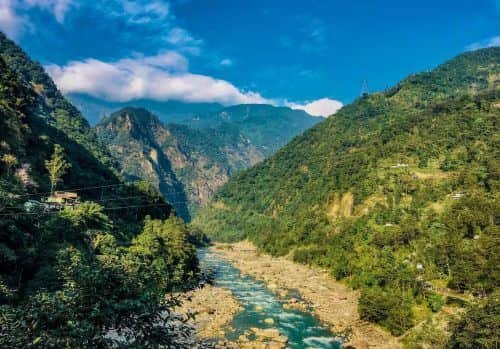
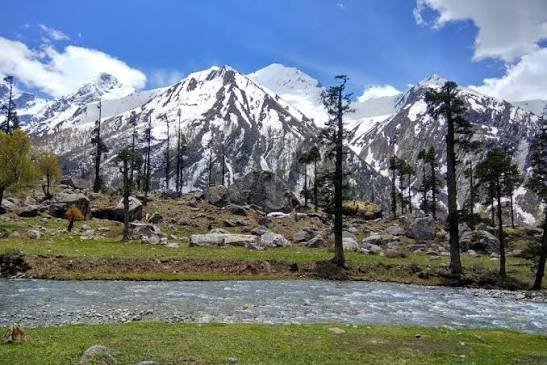
For decades, Galwan Valley existed only in Indian consciousness as a remote stretch of the Karakoram Range along the Line of Actual Control — until the night of June 15, 2020, when Indian and Chinese troops clashed here, and 20 Indian soldiers, led by Colonel Santosh Babu, lost their lives defending the border. Since then, the valley has remained under tight military control, but starting around mid-2025, the Ministry of Defence and Indian Army began a carefully managed “battlefield tourism” initiative, opening limited civilian access to sites like the Galwan War Memorial and nearby hot springs. This isn’t a conventional tourist destination in the usual sense — it’s a still-evolving, permit-heavy, deeply significant site that requires far more preparation and verification than a typical Ladakh trip.
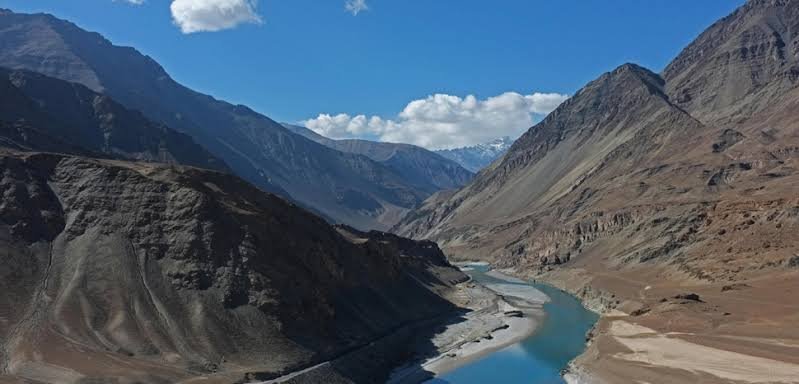
Galwan Valley: Quick Facts
| Aspect | Details |
| Location | Eastern Ladakh, along the Shyok River, near the Line of Actual Control with China |
| Distance from Leh | Approx. 200-274 km (route-dependent) |
| Significance | Site of the June 2020 India-China border clash; Galwan War Memorial (completed 2025) |
| Access Status | Historically restricted; limited civilian “battlefield tourism” access initiated mid-2025, subject to ongoing military regulation |
| Permits Required | Inner Line Permit (mandatory); additional special clearance often required for this specific area |
| Access Route | Via Leh-Durbuk-Shyok village |
| Best Time to Visit | Approx. June to September (when high-altitude roads are open) |
| Nearest Airport | Kushok Bakula Rimpochee Airport, Leh |
| Known For | Galwan War Memorial, hot springs, Karakoram landscape |
| Accommodation | Very limited; civilian infrastructure remains sparse |
| Recommended Approach | Confirm current access status and permit requirements directly with Leh authorities or a registered local operator before planning |
Current Access Status: What Travellers Should Know
Given how recently and gradually this area has opened, understanding the actual situation matters far more here than at any standard tourist destination.
- Pre-2025: Galwan Valley remained entirely off-limits to civilians, with access restricted solely to the Indian Army given its military and strategic sensitivity.
- Mid-2025 Onward: A phased “battlefield tourism” initiative began, coinciding with the fifth anniversary of the 2020 clash, allowing limited, carefully managed civilian visits to specific sites like the war memorial and hot springs.
- Ongoing Regulation: Even with this opening, access remains tightly controlled by military authorities, and conditions can change based on border security assessments at any time.
- Verification Is Essential: Given the area’s continued sensitivity, the only reliable way to confirm whether you can currently visit is to check directly with the Ladakh administration, a registered local tour operator in Leh, or current Indian Army guidance — not older blog posts or outdated listings.
How to Reach Galwan Valley
Reaching this region involves a significantly longer and more permit-intensive journey than typical Ladakh sightseeing routes.
- By Air: Kushok Bakula Rimpochee Airport in Leh is the nearest airport, well-connected to Delhi and other major cities, serving as the starting point for the entire journey.
- By Road from Leh: The route runs via Durbuk and Shyok village, covering roughly 200-274 km depending on the exact path permitted, typically taking a full day given the mountainous terrain.
- Permits: An Inner Line Permit is mandatory for this restricted zone, and additional special clearance is often required specifically for areas near the Line of Actual Control, arranged through registered agents in Leh.
- Documentation: Valid photo ID (Aadhaar, passport, or driver’s license) must be carried at all times, alongside permit paperwork, given the frequency of military checkpoints along the route.
- Guided Access: Given the area’s sensitivity, most current visits happen through organized, guided arrangements rather than independent travel, since navigating both the permits and the route without local coordination is impractical.
Things to Do in Galwan Valley
Given the site’s nature and recent opening, activities here are limited and centred on remembrance and landscape rather than typical sightseeing.
- Visit the Galwan War Memorial: Completed in 2025 at an altitude of roughly 14,500 feet, this memorial honours the soldiers who lost their lives in the 2020 clash and is the primary reason most visitors currently make this journey.
- See the Galwan Valley Hot Springs: Part of the newly opened battlefield tourism circuit, these springs offer a striking contrast against the harsh Karakoram terrain.
- Experience the Karakoram Landscape: The valley’s stark, high-altitude desolation along the Shyok River offers a genuinely different Ladakh experience compared to more developed circuits like Pangong or Nubra.
- Learn the Region’s Recent History: For many visitors, the trip functions as much as a tribute and history lesson as a sightseeing excursion, given the area’s deep connection to national sacrifice.
- Combine with Broader Eastern Ladakh Travel: Given the long journey required, most itineraries pair Galwan with other emerging eastern Ladakh sites, subject to their own separate access rules.
Practical Tips for Visiting Galwan Valley
A handful of considerations matter significantly more here than at conventional destinations, given the area’s ongoing sensitivity.
- Confirm current permit and access requirements directly with Leh-based authorities or a registered operator before finalizing any travel plans, since rules can shift with little advance notice.
- Acclimatize properly in Leh for at least a couple of days before attempting this high-altitude journey, given the extreme elevations involved.
- Carry all required documentation, including ILP, additional clearances, and valid photo ID, since military checkpoints along the route are frequent and thorough.
- Approach the visit with the respect due to a war memorial site, keeping in mind that this location honours soldiers who died defending the border.
- Build significant flexibility into your itinerary, since weather, road conditions, and security assessments can all affect whether the planned visit proceeds as scheduled.
FAQs
Q1. Is it currently possible for an ordinary tourist to visit Galwan Valley?
Limited civilian access has been introduced since mid-2025 through a “battlefield tourism” initiative focused on the war memorial and hot springs, but this remains tightly regulated and subject to change, so confirming current status directly with Leh authorities or a registered operator is essential before planning.
Q2. What permits do I need, and how far in advance should I arrange them?
An Inner Line Permit is mandatory, and additional special clearance is typically required for this specific border-adjacent area; given the sensitivity involved, arranging these well in advance through a registered Leh-based operator is strongly recommended rather than expecting same-day processing.
Q3. Is this trip suitable for a first-time Ladakh visitor, or does it require prior experience?
Given the extreme altitude, long journey, and permit complexity, this is generally better suited to travellers who’ve already acclimatized in Leh and ideally have some experience with Ladakh’s remote border regions, rather than being a first stop on an initial Ladakh visit.
Q4. What should I expect in terms of facilities once I reach the area?
Civilian infrastructure remains very sparse given the region’s military nature, so travellers should expect minimal accommodation and amenities, and should plan the visit as a guided day trip or short excursion rather than an extended stay.