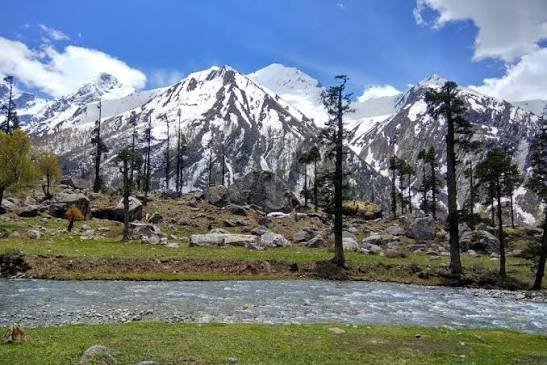
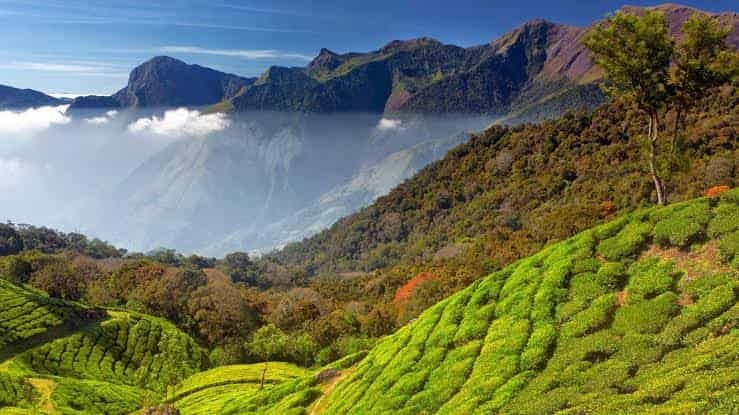
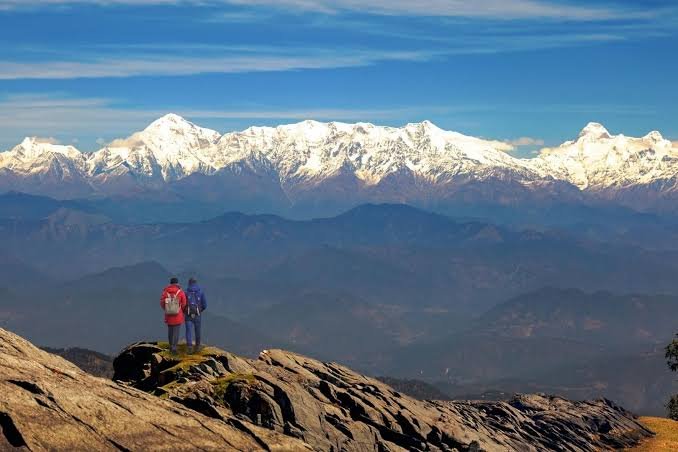
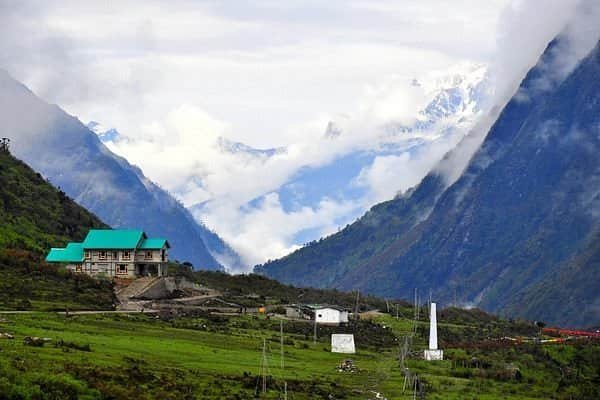
At roughly 13,000 feet, Thangu is the last inhabited settlement before the road climbs another 4,800 feet to Gurudongmar Lake — one of the highest lakes in the world and among Sikkim’s most sacred sites. A handful of huts and an army base mark the spot where the landscape shifts from forest to alpine meadow, with the Teesta, Chopta, Thangu, and Lassur rivers all threading through the valley floor. Most travellers pass through Thangu on their way to somewhere else, but this quiet stop deserves attention in its own right, both for its stark beauty and its practical role as an acclimatization point before the thin air higher up.
Thangu Valley: Quick Facts
| Aspect | Details |
| Location | North Sikkim, near Lachen |
| Altitude | Approx. 13,000 feet (3,962 metres) |
| Distance from Lachen | Approx. 30-35 km (1.5-2 hours) |
| Distance from Gangtok | Approx. 150-160 km (via Lachen) |
| Rivers | Teesta, Chopta, Thangu, Lassur |
| Status | Last inhabited settlement before Gurudongmar Lake |
| Permit Required | Protected Area Permit (via registered Gangtok tour operator; minimum 2-night North Sikkim itinerary as of 2026) |
| Snow Cover | Late October to March |
| Best Time to Visit | March to June and September to November |
| Mobile Network | None beyond Lachen |
| Nearby Attractions | Chopta Valley, Gurudongmar Lake, Lachen Monastery |
| Function | Acclimatization stop and breakfast halt en route to Gurudongmar Lake |
How to Reach Thangu Valley
Since Thangu sits within a Protected Area zone in North Sikkim, reaching it requires both a permit and travel with a registered operator rather than independent driving.
- Permit Requirement: A Protected Area Permit is mandatory, arranged through a registered Sikkim Tourism operator in Gangtok; as of 2026, single-night North Sikkim itineraries are no longer permitted, so plan for at least two nights.
- No Self-Drive: There is no public transport or independent driving option to this stretch of North Sikkim — travel happens on a fixed route with a registered operator’s vehicle and driver.
- Day 1: Gangtok to Lachen: The standard first leg, covering roughly 130-160 km in 6-7 hours, with an overnight stay in Lachen mandatory before continuing.
- Day 2: Lachen to Thangu: A shorter stretch of approximately 30-35 km, taking 1.5-2 hours, typically timed as an early-morning breakfast stop en route to Gurudongmar Lake.
- Beyond Thangu: From here, the road continues a further 30-35 km (around 2.5-3 hours) to Gurudongmar Lake itself, with vehicles required to clear certain checkpoints by a set morning cutoff time.
- Early Starts Are Non-Negotiable: Given checkpoint timing requirements and the distance involved, departures from Lachen typically begin around 3:30-4:00 AM to ensure the group reaches Gurudongmar and starts the return journey with enough daylight buffer.
Best Time to Visit Thangu Valley
Given Thangu’s high altitude and its role as a gateway to even higher terrain, timing significantly shapes both accessibility and scenery.
- March to June: Widely cited as the best window specifically for Thangu, with alpine flowers blooming across the meadows and comfortable conditions for the acclimatization stop.
- April to June: The broader North Sikkim peak season, when roads are clear, skies bright, and Gurudongmar Lake beyond shows its full blue colour as ice melts.
- September to November: A strong alternative window, offering crisp, clear skies and fewer crowds, though noticeably colder than spring.
- Late October to March: Thangu Valley remains covered in snow through this stretch, and while visually striking, road access toward Gurudongmar becomes increasingly unreliable and eventually closes entirely during peak winter.
- July to September (Monsoon): Generally avoided, given landslide risk along the Gangtok-Lachen stretch and reduced visibility further up toward Thangu and Gurudongmar.
Things to Do in Thangu Valley
Given its role primarily as a waypoint, Thangu’s activities are modest but genuinely worthwhile for those who take the time to look around rather than rushing straight through.
- Photograph the Alpine Meadows: The valley’s open grassland, flanked by the Teesta River and framed by surrounding peaks, offers a stark, high-altitude beauty distinct from lower Sikkim’s forested valleys.
- Have Breakfast at Thangu: A practical but genuinely pleasant stop, most operators build in a breakfast halt here around 6-7 AM before the final push to Gurudongmar Lake.
- Observe the Army Base and Local Huts: Thangu’s small scattered settlement, including a military presence given its border-adjacent location, offers a glimpse of life at this remote altitude.
- Spot Seasonal Wildflowers: Between April and June, alpine blooms carpet parts of the valley, adding vivid colour against the otherwise stark landscape.
- Continue to Chopta Valley: Often visited alongside Thangu on the same route, Chopta is sometimes called the “Valley of Flowers of Sikkim” and adds another scenic stop before or after Gurudongmar.
- Use It as a Base for Acclimatization: For travellers feeling the effects of rapid altitude gain, a brief rest at Thangu before continuing to Gurudongmar’s much higher elevation is a sensible, commonly practiced precaution.
Thangu as an Acclimatization Stop
Since Thangu’s altitude sits meaningfully below Gurudongmar Lake’s roughly 17,800 feet, its role in managing altitude sickness risk deserves specific attention.
- A Genuine Buffer Zone: At 13,000 feet, Thangu is high but considerably more manageable than the nearly 18,000 feet altitude waiting at Gurudongmar, making the stop a practical pause rather than just a scenic one.
- Watch for Early Symptoms: Headaches, dizziness, or unusual fatigue at Thangu are worth taking seriously before continuing further, since conditions only intensify at higher altitude.
- Eat Light, Stay Hydrated: Most operators recommend only tea or a light snack before Thangu, saving a fuller breakfast for the stop itself, and continuing to hydrate well throughout the day given the thin air.
- Don’t Skip the Stop: Even travellers feeling fine are generally better off taking the scheduled halt at Thangu rather than pushing straight through, since altitude effects can appear with delay.
- Carry Basic Medication: Given the remoteness and lack of facilities beyond Lachen, carrying any personally prescribed altitude medication (consulted with a doctor beforehand) is a sensible precaution for this specific stretch of the journey.
FAQs
Q1. Can I visit Thangu Valley without continuing on to Gurudongmar Lake, or are they always visited together?
While Thangu is typically visited as a stop en route to Gurudongmar, it’s possible to focus a shorter trip specifically on Thangu and nearby Chopta Valley if you’d rather avoid the higher altitude and longer journey to the lake itself — discuss this option with your Gangtok tour operator when arranging your itinerary.
Q2. Do I need a separate permit for Thangu Valley, or does my Gurudongmar Lake permit cover it?
The same Protected Area Permit arranged for your North Sikkim/Gurudongmar itinerary covers Thangu, since it falls along the same restricted route — there’s no need for a separate permit specifically for this stop.
Q3. Is it safe to skip the Thangu breakfast stop if I want to reach Gurudongmar Lake faster?
It’s not recommended — beyond the practical breakfast break, Thangu serves as a genuine acclimatization buffer before the significantly higher altitude at Gurudongmar, and skipping this pause increases the risk of altitude-related discomfort at the lake.
Q4. What should I pack specifically for the Lachen-Thangu-Gurudongmar leg of the trip?
Given the lack of mobile network and limited food availability beyond Lachen, carry warm layers, snacks, water, any personal altitude medication, and download offline maps or directions in advance, since you’ll have no connectivity to rely on for the remainder of the journey.