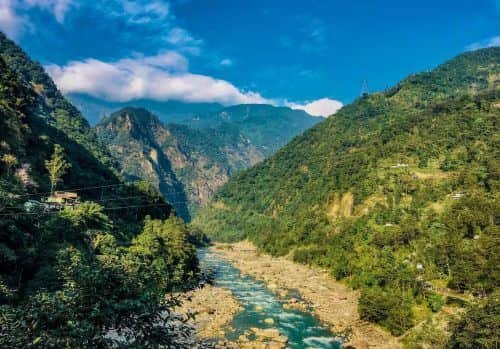
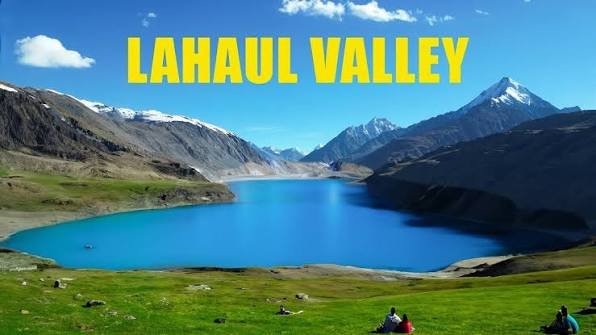
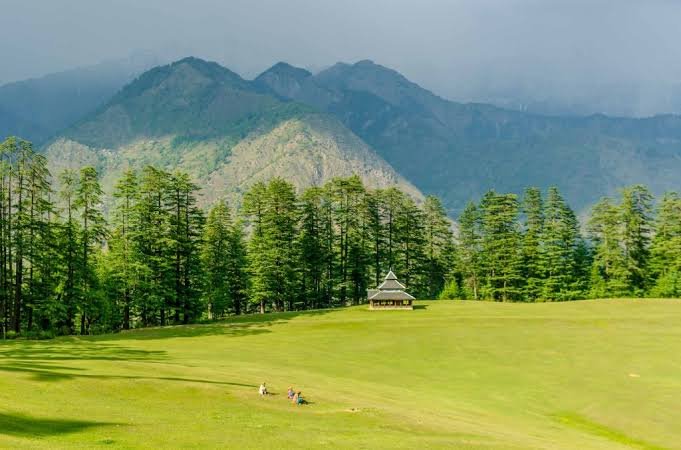
While tour buses queue up for Cherrapunji’s waterfalls and Dawki’s transparent river, a genuinely untouched stretch of grassland and cliff-edge meadow sits quietly in the South West Khasi Hills, reachable only after a taxi ride to Mawkyrwat, a further drive to Mawsaw village, and a short trek down into the valley itself. Kyntaiai Valley remains one of Meghalaya’s least commercialised destinations — no resorts, minimal signage, and a landscape that shifts from misty mornings to golden sunsets with almost nobody around to watch it happen.
Kyntaiai Valley: Quick Facts
| Aspect | Details |
| Location | South West Khasi Hills, Meghalaya (near Mawsaw village) |
| Gateway Town | Mawkyrwat |
| Distance from Shillong | Approx. 100 km (3-4 hours) |
| Access | Drive to Mawsaw village, then a trek (approx. 1 hour) down into the valley |
| Known For | Rolling grassy meadows, dramatic cliffs, clear streams, wildflowers |
| Best Time to Visit | October to November (post-monsoon) |
| Alternative Season | Winter, for fewer visitors and clear stargazing |
| Guide Recommendation | Strongly advised, given remoteness and limited signage |
| Accommodation | None within the valley; base in Cherrapunji or Shnongpdeng |
| Nearby Combinable Sites | David Scott Trail, Mawkdok Valley, Mawkyrdot ancient monoliths |
| Ideal Duration | Half-day to full-day excursion |
How to Reach Kyntaiai Valley
Reaching Kyntaiai involves a multi-stage journey that becomes progressively more remote as you get closer to the valley itself.
- From Shillong to Mawkyrwat: Take a private or shared taxi toward Mawkyrwat in South West Khasi Hills, a drive of roughly 100 km taking 3-4 hours through winding roads, forests, and small villages.
- From Mawkyrwat to Mawsaw Village: The final stretch continues to Mawsaw village, the practical launch point for entering the valley, with the drive itself offering scenic views of the Khasi Hills along the way.
- The Trek Down: From the valley’s entry point near Mawsaw, a roughly one-hour trek descends into Kyntaiai Valley proper, following natural trails through grassland and rocky terrain.
- No Public Transport to the Valley Itself: Since the final approach and trek aren’t served by regular buses, a private vehicle or a pre-arranged guide service is essentially necessary for the full journey.
- Combining with Other Sites: Given the distance involved, many itineraries pair Kyntaiai Valley with a broader South West Khasi Hills or Cherrapunji-area trip rather than treating it as an isolated day trip from Shillong.
Best Time to Visit Kyntaiai Valley
Since Kyntaiai’s trails and views depend heavily on weather conditions, timing your visit affects both safety and the overall experience.
- October to November (Post-Monsoon): The recommended window, offering the clearest skies for panoramic views of the rolling hills and gorges, alongside noticeably safer, less slippery trekking trails than during peak monsoon.
- Winter Months: While Kyntaiai remains offbeat year-round, winter brings the fewest visitors of all and the clearest night skies, making it particularly appealing for those specifically seeking solitude and stargazing.
- Monsoon (June-September): The valley turns intensely green and dramatic during this period, but trails become genuinely slippery, making a local guide essential rather than optional if visiting during these months.
- General Advice: Given the valley’s remoteness and limited facilities regardless of season, checking current trail and weather conditions with a local guide before setting out is always worthwhile.
Things to Do at Kyntaiai Valley
Kyntaiai’s appeal is built almost entirely around its raw, undeveloped landscape, offering a handful of genuinely rewarding activities for those willing to make the journey.
- Trek Into the Valley: The descent itself, through grasslands and rocky outcrops with increasingly dramatic views opening up on either side, is a core part of the Kyntaiai experience.
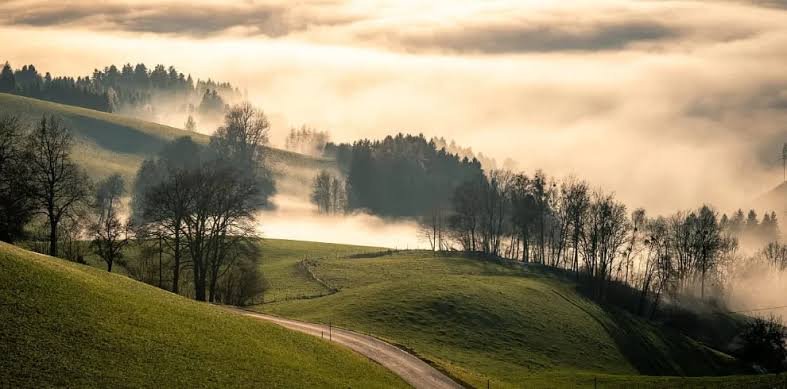
- Photograph the Sunrise and Sunset: The valley’s sweeping grassy plains and cliffs are said to glow during golden hour, with soft light hitting the green slopes to create some of the region’s most striking, uncrowded photography opportunities.
- Explore Clear Streams and Springs: Small freshwater streams and springs run through the valley, adding both scenic and acoustic charm to a slow walk through the landscape.
- Spot Wildflowers and Local Flora: The valley’s meadows are dotted with colourful wildflowers, particularly vivid in the post-monsoon window.
- Combine with the David Scott Trail: A historic trekking route often paired with Kyntaiai Valley for travellers wanting a longer, more comprehensive offbeat Meghalaya adventure.
- Visit Mawkyrdot and Nearby Monoliths: Ancient standing stones near Mawkyrwat add a cultural and historical dimension to a trip otherwise focused on natural scenery.
- Simply Sit With the Silence: Many visitors specifically cite the valley’s quiet — the sound of flowing streams and rustling leaves without another tourist in sight — as the actual highlight, rather than any single activity.
Where to Stay Since the Valley Itself Has No Resorts
Given Kyntaiai’s still-developing tourism infrastructure, planning accommodation requires looking slightly beyond the valley itself.
- No Accommodation Within the Valley: Since Kyntaiai remains genuinely undeveloped, there are no resorts, hotels, or homestays directly in the valley or immediately at Mawsaw village.
- Base in Cherrapunji (Sohra): The most common practical choice, offering established homestays that serve as a comfortable base for day-tripping into Kyntaiai Valley.
- Base in Shnongpdeng: An alternative base along the Sohra-Shnongpdeng belt, particularly convenient if combining Kyntaiai with river-based activities in the area.
- What to Expect from Local Homestays: Rather than luxury, these accommodations offer authentic local hospitality — a genuine reflection of the same raw, unpolished character that makes Kyntaiai Valley itself appealing.
- Plan Logistics in Advance: Given the distance between your accommodation base and the valley’s entry point, arranging transport and a guide the night before (rather than on arrival) helps avoid delays on the day of your trek.
FAQs
Q1. Is Kyntaiai Valley safe for solo or female travellers, given how remote it is?
Yes, according to local reports the valley is considered safe for solo and female visitors, with the local community described as friendly and welcoming, though hiring a local guide is still strongly recommended given the area’s remoteness and limited signage.
Q2. Do I need to be an experienced trekker to visit Kyntaiai Valley?
No — the trek into the valley is generally manageable for reasonably fit travellers without requiring advanced trekking experience, though a local guide helps navigate the natural trails, especially since the area isn’t well-marked for independent exploration.
Q3. Can I visit Kyntaiai Valley as a day trip from Shillong, or should I plan an overnight stay nearby?
Given the roughly 100 km, 3-4 hour drive to Mawkyrwat plus the trek itself, a day trip is tiring but possible; basing yourself overnight in Cherrapunji or Shnongpdeng makes for a considerably more relaxed visit, especially if combining it with other South West Khasi Hills attractions.
Q4. Why does Kyntaiai Valley have so little tourist infrastructure compared to other Meghalaya destinations?
It remains one of Meghalaya’s least commercialised areas precisely because it hasn’t been developed for mass tourism the way Cherrapunji or Dawki have, which is part of its appeal for travellers seeking a genuinely offbeat, uncrowded experience rather than a polished destination.