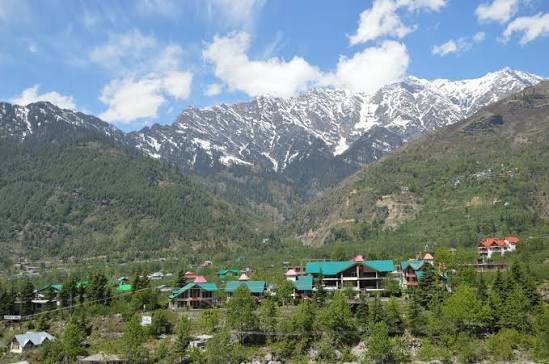
While the rest of India wraps up Dussehra in a single evening, Kullu Valley’s version only begins once everyone else’s festivities are over — a week-long celebration where Lord Raghunath’s idol is carried through the streets on a palanquin, accompanied by hundreds of local deities brought down from villages across the valley. This is the “Valley of Gods,” a title Kullu earns honestly, with temples scattered across its slopes alongside apple orchards, the Beas River, and a role as the natural gateway to Manali, Parvati Valley, and the Great Himalayan National Park. Less a single sight than a valley that opens onto everything else, Kullu rewards travellers who use it as a base rather than a quick stopover.
Kullu Valley: Quick Facts
| Aspect | Details |
| Location | Kullu district, Himachal Pradesh, along the Beas River |
| Nickname | “Valley of Gods” |
| Distance from Manali | Approx. 40 km |
| Distance from Delhi | Approx. 500 km (10-12 hours) |
| Distance from Chandigarh | Approx. 250 km (6-7 hours) |
| Nearest Airport | Bhuntar (Kullu-Manali Airport), approx. 10 km |
| Nearest Railway Station | Joginder Nagar, approx. 125-127 km |
| Best Time to Visit | March to June and September to November |
| Kullu Dussehra | October (week-long, begins after Dussehra ends elsewhere in India) |
| Key Temples | Raghunath, Bijli Mahadev, Jagannathi Devi (Bekhli), Hanogi Mata |
| Gateway To | Manali, Parvati Valley (Kasol, Manikaran), Great Himalayan National Park |
| Known For | Temples, Dussehra festival, apple orchards, adventure sports |
How to Reach Kullu Valley
Kullu benefits from decent air connectivity and well-established road links, making it one of the more accessible entry points in central Himachal Pradesh.
- By Air: Bhuntar (Kullu-Manali) Airport sits just 10 km from Kullu town, with regular flights from Delhi and Chandigarh, typically priced around ₹5,000-7,000 one-way.
- By Train: Joginder Nagar is the nearest railway station, roughly 125-127 km away, connected to a limited network; most travellers still rely on road transport for the final stretch.
- By Road from Delhi: A journey of approximately 500 km via NH44, taking 10-12 hours by overnight bus (₹1,000-1,500) or private taxi (₹8,000-10,000).
- By Road from Chandigarh: A shorter 250 km stretch, taking 6-7 hours by bus or taxi (roughly ₹500-4,000 depending on vehicle type).
- Local Bus Network: Himachal Roadways operates both luxury and economical buses connecting Kullu to nearby towns and major cities, offering a budget-friendly alternative to hiring a private vehicle.
Best Time to Visit Kullu Valley
Kullu’s weather stays broadly pleasant for much of the year, though a few windows stand out for different reasons.
- March to June (Summer): Widely cited as the best overall window, with comfortable temperatures ideal for sightseeing, adventure sports, and general outdoor activity.
- September to November (Autumn): A second strong stretch, offering clear skies and vibrant autumn colours, with October carrying the added draw of the Kullu Dussehra festival.
- October Specifically: If experiencing Kullu Dussehra is a priority, plan around this month specifically, since it’s the valley’s single biggest cultural event and draws significant crowds.
- July to September (Monsoon): The valley turns lush and green, but heavy rainfall increases landslide risk on mountain roads, making this period less ideal for travel.
- December (Winter): Cooler and quieter, appealing to those who prefer a calmer, less crowded visit over peak-season sightseeing.
Things to Do in Kullu Valley
Kullu’s own attractions blend temple heritage with its role as a launchpad for the wider Kullu-Manali-Parvati region.
- Visit Raghunath Temple: Located in Sultanpur, this is the spiritual centre of Kullu Dussehra and one of the valley’s most significant religious sites, easily reached from the main bus stand.
- Trek to Bijli Mahadev: A well-known temple trek offering panoramic valley views, one of the most popular short treks originating from Kullu town.
- Explore Jagannathi Devi Temple (Bekhli): Perched at around 1,800 metres, this temple offers sweeping views over Kullu valley and the Beas River.
- Enter Great Himalayan National Park: Accessible via Shamshi (about 45 km from Kullu), this UNESCO-listed park rewards those willing to hire a local guide for wildlife spotting, including the Himalayan monal.
- Try Adventure Sports: Kullu is a genuine hub for paragliding, river rafting on the Beas, hiking, and trekking, with several routes into Parvati Valley starting from town.
- Shop for Local Handicrafts: Kullu shawls, Tibetan carpets, Buddhist paintings, and local apple products make for distinctive souvenirs, best sourced from the town’s markets.
- Use Kullu as a Base for Parvati Valley: Kasol, Manikaran, Malana, and Kheerganga are all reachable via Bhuntar, making Kullu a practical staging point for these popular offbeat extensions.
Kullu Dussehra: What Makes It Different from Dussehra Elsewhere
Since this festival is Kullu’s single most distinctive cultural draw, it’s worth understanding what sets it apart before planning a visit around it.
- A Different Timing: While most of India celebrates Dussehra in a single day, the Kullu version begins only after those festivities conclude elsewhere, running as a week-long celebration through October.
- A Procession of Deities: Beyond the central figure of Lord Raghunath (the local representation of Lord Ram), hundreds of local deities from villages across the valley are ceremonially carried into Kullu to join the celebrations, making it a genuinely valley-wide event rather than a single-temple observance.
- Traditional Dance and Costume: Villagers participate in traditional attire, dancing through the streets as part of the procession, giving visitors a vivid look at Kullu’s distinct cultural identity beyond the religious ceremony itself.
- Recognized National Significance: Kullu Dussehra is considered one of India’s most important festival celebrations, second in scale only to Mysore’s Dussehra in the south.
- Planning Around Crowds: Given its popularity, arriving early for key events like the chariot procession and booking accommodation well in advance are essential if visiting specifically for the festival.
FAQs
Q1. Should I plan my Kullu trip specifically around Dussehra, or is it better avoided due to crowds?
If experiencing authentic Himachali culture is a priority, Dussehra (October) offers a genuinely unique, valley-wide celebration worth the crowds; if you’d rather have a quieter, less congested visit, the broader March-to-June or non-festival autumn weeks work better.
Q2. Is Kullu itself worth a dedicated stay, or is it purely a transit point to Manali and Parvati Valley?
While many travellers do treat it as a gateway, Kullu’s own temples, Bijli Mahadev trek, and Great Himalayan National Park access make it genuinely worth a day or two rather than just passing through en route to Manali or Kasol.
Q3. How far in advance should I book accommodation if visiting during Kullu Dussehra?
Given the festival’s popularity and the influx of visitors from across the valley and beyond, booking at least a few weeks in advance is advisable, especially for accommodation closer to the main Dussehra Ground and procession route.
Q4. Can I visit Great Himalayan National Park as a day trip from Kullu town, or does it require an overnight stay?
The entry point at Shamshi is only about 45 km from Kullu, making a guided day visit to the lower reaches feasible, though exploring deeper into the park’s core zone for a fuller wildlife experience typically requires a multi-day stay closer to Gushaini or Sainj Valley.