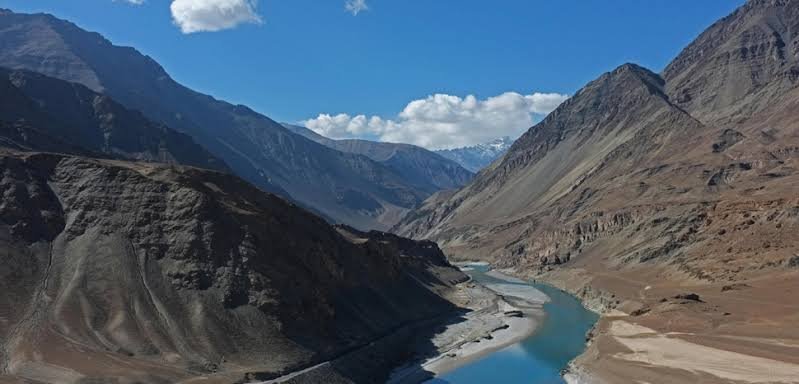
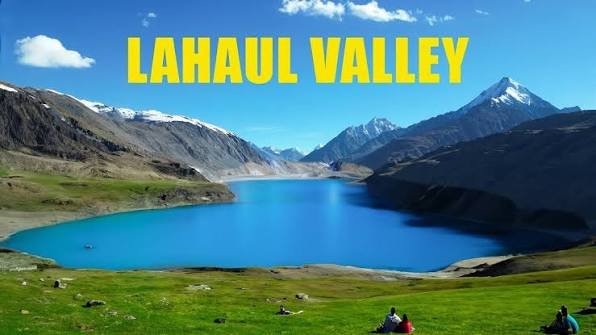
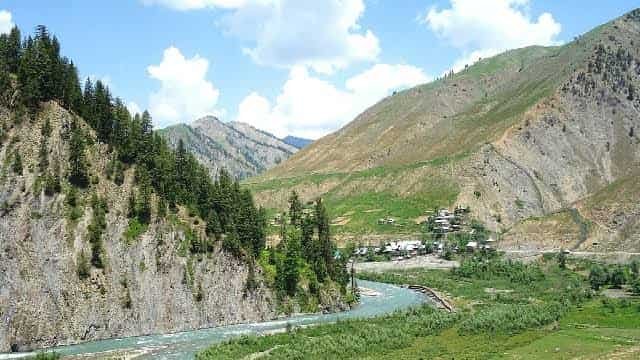
Trekkers who’ve walked it often call Miyar Valley the “Yosemite of the Himalayas” — a comparison that holds up surprisingly well once you see it: sheer granite walls rising from a wide glacial valley floor, meadows carpeted with rare Blue Poppy, and a trail so lightly used that solitude is practically guaranteed. Stretching up to 100 km from the village of Udaipur in western Lahaul toward the 17,600-foot Kang La pass connecting to Zanskar, Miyar remains one of Himachal Pradesh’s most genuinely offbeat trekking destinations, home to snow leopards and black bears in numbers rare enough to draw dedicated wildlife expeditions.
Miyar Valley: Quick Facts
| Aspect | Details |
| Location | Western Lahaul-Spiti district, between Lahaul and Pangi regions |
| Nickname | “Yosemite of the Himalayas” / “Valley of Flowers of Himachal” |
| Valley Length | Approx. 74-100 km (Udaipur to Kang La) |
| Kang La Pass Altitude | Approx. 17,600 feet (connects to Zanskar) |
| Base Camp | Manali |
| Trek Start Village | Shukto/Khanjar (last motorable point) |
| Manali to Udaipur | Approx. 110 km (3 hours, via Atal Tunnel) |
| Udaipur to Shukto/Khanjar | Approx. 22-30 km (2.5 hours, rough road) |
| Keylong to Udaipur | Approx. 55 km |
| Trek Duration | 5-8 days |
| Trek Difficulty | Easy to moderate |
| Best Time to Visit | Mid-June to September (some sources favour mid-May to June) |
| Known For | Blue Poppy, snow leopard and black bear habitat, glacial meadows |
How to Reach Miyar Valley
Since the Atal Tunnel opened, reaching Miyar’s base camp from Manali has become considerably faster, though the final stretch remains genuinely rough.
- Manali to Udaipur: The standard route, driving through the Atal Tunnel into Lahaul, passing Sissu waterfall and Tandi (the last fuel pump before Udaipur), then taking the diversion toward Udaipur — approximately 110 km taking about 3 hours.
- Udaipur to Shukto/Khanjar: The final leg on the Tandi-Kishtwar road, covering roughly 22-30 km to the last motorable point where the actual trek begins; this stretch is notably unmetaled and rough, especially during monsoon, so a high-clearance vehicle is recommended.
- From Keylong: An HRTC bus departs Keylong daily at 8:00 AM, travelling via Trilokinath to Udaipur (arriving around 11:00-11:30 AM), then continuing to Shukto/Khanjar by noon, reaching around 2:00-3:00 PM — a budget option for solo travellers and backpackers, though the same bus returns almost immediately.
- By Road from Delhi: Most travellers first reach Manali (roughly 530 km, 12-14 hours by overnight bus or drive) before continuing on to Udaipur and the trek’s starting point.
- Fuel Planning: Since Tandi holds the last fuel pump before Udaipur, refuel there regardless of which route or vehicle you’re using.
Best Time to Visit Miyar Valley
Since sources genuinely differ on the ideal window, understanding what each period actually offers helps in choosing based on your priorities.
- Mid-May to June: Cited by several trek operators as the best overall window, when snow has melted, weather is clear, and wildflowers begin blooming across the valley.
- Mid-June to Early July: Snow continues melting during this stretch, though the route remains well-defined along the river, with occasional tricky boulder patches and river crossings requiring caution.
- July to August (Monsoon): Considered by some operators the most spectacular period for wildflowers, including the rare Blue Poppy in full bloom — since the surrounding high mountains create a rain shadow effect, trekking remains genuinely safe here even during peak monsoon, unlike most Himalayan treks.
- September: Offers clearer skies and easier river crossings, though with noticeably fewer flowers than the July-August peak — a better choice for those prioritizing stable weather and photography over botanical variety.
- May to October (Broader Trail Season): The overall window during which the trek remains accessible and manageable, according to general trail data.
Things to Do in Miyar Valley
Miyar’s activities centre almost entirely around its trekking route and the rare wildlife and flora found along the way.
- Trek Through Glacial Meadows: The core Miyar Valley experience, walking through wide, open meadows flanked by granite walls and glacial streams over the course of 5-8 days.
- Spot the Rare Blue Poppy: A signature botanical highlight of the valley, best seen during the July-August bloom window, drawing dedicated flower enthusiasts alongside general trekkers.
- Attempt a Snow Leopard Expedition: Miyar is known specifically for its snow leopard and black bear population, making it a genuine destination for wildlife-focused trekkers rather than just scenic walkers.
- Trek Toward Kang La Pass: For serious trekkers with more time, the route extends toward this 17,600-foot pass connecting Miyar to the Zanskar region, offering one of the more demanding extensions available in this part of Himachal.
- Experience Genuine Solitude: Given its offbeat status, Miyar offers a noticeably quieter trekking experience compared to more established Himachal routes like Hampta Pass or Kheerganga.
- Visit Trilokinath En Route: Many travellers combine their journey to Udaipur with a stop at this significant pilgrimage site, adding a cultural dimension to the drive.
- Photograph the Zanskar Range Backdrop: As the trail opens up beyond the initial villages into barren, high-altitude terrain, the looming Zanskar range on the horizon offers some of the trek’s most dramatic photography opportunities.
Why Trekkers Call It the Himalayan Yosemite
Understanding what genuinely earns Miyar this comparison helps set expectations for what makes this trek distinct from Himachal’s more famous routes.
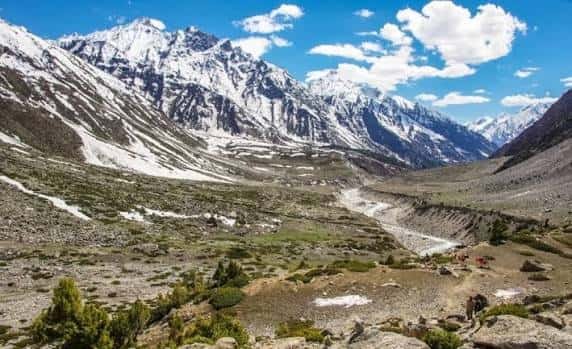
- A Straddling Geography: The valley offers a striking transition — starting among a series of inhabited villages before habitation ends entirely and the landscape opens into a vast, barren, high-altitude expanse, giving trekkers the feeling of experiencing both Himachal and Ladakh within a single trek.
- Granite Walls and Wide Valley Floor: Much like its Californian namesake, Miyar’s combination of sheer rock faces and a broad glacial valley floor creates a genuinely dramatic visual signature uncommon in more forested Himachal treks.
- Genuinely Low Crowds: Unlike heavily trafficked routes near Manali, Miyar’s remoteness and rough access road keep visitor numbers low, preserving both the trail’s tranquility and its wildlife habitat.
- A Trek for Nature Specialists: Between the Blue Poppy blooms and snow leopard territory, Miyar draws a specific kind of trekker — those interested in flora and wildlife as much as scenery — distinguishing it from more generically scenic Himachal routes.
FAQs
Q1. Should I trek Miyar Valley during monsoon, given that most Himalayan treks are avoided during this season?
Yes, unusually — since the surrounding high mountains create a rain shadow effect, July-August (peak monsoon elsewhere) is actually considered one of the best windows here specifically for wildflower blooms, making Miyar an exception to the general monsoon-avoidance rule for Himalayan trekking.
Q2. Is a high-clearance vehicle genuinely necessary for the Udaipur-to-Khanjar stretch, or can a regular car manage it?
A high-clearance vehicle is strongly recommended, since this final approach road is unmetaled and rough, particularly during or after monsoon rain, making it considerably more demanding than a standard hill drive.
Q3. How difficult is the Miyar Valley trek compared to more popular routes like Hampta Pass?
It’s generally rated easy to moderate, similar in accessibility to routes like Hampta Pass, though its greater length (5-8 days versus Hampta’s typical 5 days) and remoteness mean it demands more overall commitment even if the daily difficulty feels comparable.
Q4. Is it possible to see snow leopards on a standard Miyar Valley trek, or does that require a specialized expedition?
While the valley is known snow leopard habitat, sightings on a standard trek aren’t guaranteed; those specifically prioritizing wildlife spotting should consider a dedicated snow leopard expedition with experienced local trackers rather than expecting sightings on a general scenic trek.