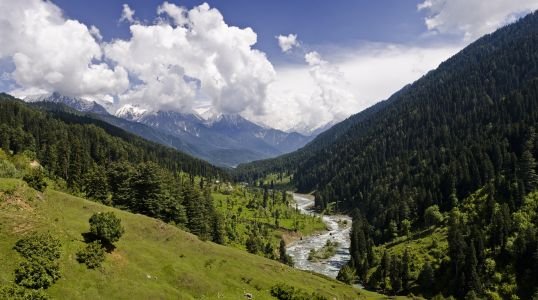
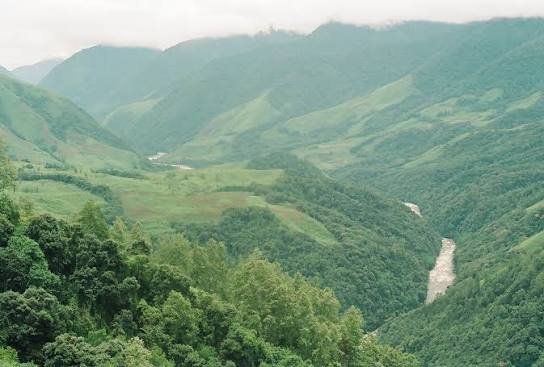
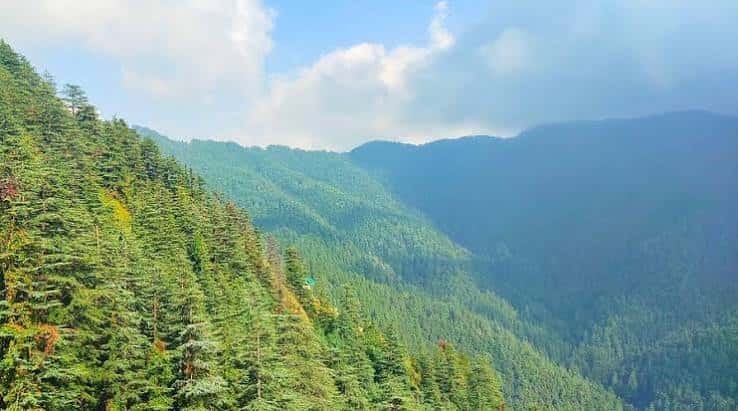
For over five decades, Nelong Valley existed on no tourist’s itinerary at all — sealed off after the 1962 Indo-China war shut down what had been an active Silk Route trading corridor between India and Tibet for centuries. It wasn’t until 2015 that Indian civilians were allowed back in, and even now access remains tightly restricted: no overnight stays, no foreign visitors, and entry only through registered forest department vehicles. What awaits inside is a genuinely striking mountain desert landscape within Gangotri National Park, close enough to the border that locals and guides simply call it the “Ladakh of Uttarakhand.”
Nelong Valley: Quick Facts
| Aspect | Details |
| Location | Uttarkashi district, Uttarakhand (within Gangotri National Park) |
| Altitude | Approx. 3,475-3,500 metres (11,000-11,485 feet) |
| Entry Point | Bhaironghati (approx. 90-100 km from Uttarkashi, 10 km from Gangotri) |
| Distance from Bhaironghati to Nelong Checkpost | Approx. 23-25 km |
| Nearest Base for Overnight Stay | Harsil (approx. 26 km) or Gangotri |
| Permit | Mandatory, from SDM/DM office in Uttarkashi; Aadhaar card required |
| Entry Fee | Approx. ₹150 per person, plus vehicle charge |
| Overnight Stay in Valley | Not permitted; must return to Bhaironghati checkpost by evening |
| Foreign Nationals | Prohibited due to border sensitivity |
| Open Season | May to November |
| Best Time to Visit | May-June and mid-September to mid-October |
| Known For | Silk Route history, snow leopard/blue sheep habitat, Jadh Ganga gorge |
| Ideal Duration | 1 day (Nelong itself); 3-4 days combined with Gangotri and Harsil |
Permits and Access Rules
Since Nelong sits within Gangotri National Park and close to the Indo-Tibet border, its entry process is genuinely stricter than most Indian tourist destinations.
- Permit Required: Obtained from the SDM or DM office in Uttarkashi, with an Aadhaar card mandatory for verification.
- Registered Vehicles Only: The forest department historically permitted a limited number of vehicles (around six, carrying four people each) into the valley, and today access largely runs through registered tour operators rather than independent self-drive.
- Two-Wheelers Not Allowed: Only four-wheeled vehicles cleared by the forest department can make the trip into the valley.
- No Overnight Stay: All visitors must exit and return to the Bhaironghati checkpost before evening — the 25 km restricted zone doesn’t permit camping or lodging inside.
- Foreign Nationals Prohibited: Given the valley’s strategic border location, entry is restricted to Indian citizens only.
- Beyond the Checkpost: Areas further into the valley, including Janak Tal, require special additional permission granted only in specific cases, so most standard visits stop at the main Nelong checkpost.
Best Time to Visit Nelong Valley
Since Nelong Valley’s opening and closing dates are tied to Gangotri National Park’s own seasonal schedule, timing here is a hard constraint rather than a simple preference.
- May to June: The valley reopens in May after winter, though snow patches can linger on the Harsil-to-Bhairav Ghati road early in the month; daytime temperatures stay a cool 5-12°C, with nights dropping below zero — a good window for thinner crowds.
- Mid-September to Mid-October: Widely considered the best stretch, once monsoon has fully retreated, roads are at their most stable, and skies turn a deep, clear blue; daytime temperatures run 8-15°C with nights around -3 to -5°C.
- July to August (Monsoon): The valley effectively closes during this period, since heavy rain makes the mountain roads from Uttarkashi to Harsil prone to landslides.
- November to April (Winter): Closed entirely due to heavy snowfall, in line with Gangotri National Park’s broader seasonal shutdown.
- Wildlife Timing: September to October also offers better chances of spotting Himalayan blue sheep and musk deer, as animals move down from higher elevations during this period.
Things to Do and How to Reach Nelong Valley
Given the valley’s restricted, day-trip-only nature, most of the “things to do” here centre on the drive itself and specific stops along the route.
- Drive Through the Jadh Ganga Gorge: The route passes a historic bridge, once part of the Silk Route and closed since 1962, restored and reopened to tourists after nearly 59 years — a genuine highlight of the journey.
- Visit the Nelong Checkpost and Village Ruins: What was once Nelong village now stands mostly in ruins, offering a tangible, if sobering, sense of the valley’s abandoned trading-post history.
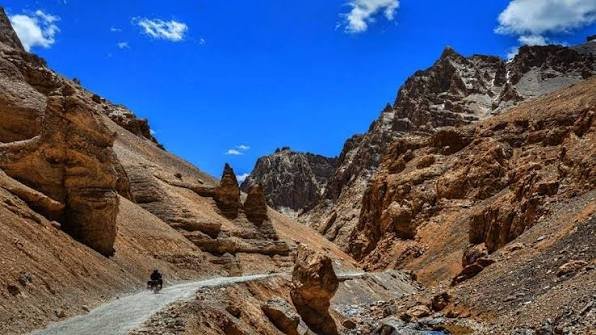
- Photograph the Mountain Desert Landscape: The stark, Ladakh-like terrain, a contrast to the greener Garhwal Himalayas most visitors expect, is one of the valley’s most striking visual features.
- Watch for Wildlife: Snow leopard, Himalayan blue sheep, and musk deer are all recorded in the region, though sightings require patience and favourable timing.
- By Road from Uttarkashi: The standard route runs through Harsil to Bhaironghati (roughly 90-100 km from Uttarkashi), where permits are verified at a forest check post before continuing the final 23-25 km into the valley.
- By Air/Rail: Dehradun’s Jolly Grant Airport (approx. 290 km) and Rishikesh Railway Station (approx. 270-284 km) serve as the nearest transport hubs, with the remainder of the journey covered entirely by road.
- Combining with Gangotri and Harsil: Since Nelong itself is a single-day excursion, most itineraries pair it with a broader 3-4 day trip covering Gangotri temple, the Bhagirathi River, and nearby Harsil village.
The Silk Route Connection: A Brief History
Understanding Nelong’s past adds genuine weight to what would otherwise be just a scenic drive through restricted terrain.
- A Centuries-Old Trade Corridor: Before 1962, Nelong Valley functioned as an active trading route between India and Tibet, with traders and pack animals moving goods across the steep walls of the Jadh Ganga gorge.
- Sealed After the 1962 War: Following the Indo-China conflict, the entire valley, along with its historic bridge, was closed off entirely, cutting off both civilian access and the trade route itself.
- Five Decades of Isolation: Nelong remained off-limits to civilians for more than 50 years, accessible only to the Indian Army given its strategic border position.
- Reopened in 2015: Domestic tourism access was finally restored, though under the same tightly managed permit system that governs the valley today, reflecting its continued military and ecological sensitivity.
- The Restored Bridge: The historic Silk Route bridge across the Jadh Ganga gorge, closed since 1962, was eventually restored and reopened to visitors, standing today as one of the valley’s most tangible links to its trading past.
FAQs
Q1. Can I visit Nelong Valley independently, or do I need to go through a registered tour operator?
While the permit process itself is handled through the Uttarkashi SDM/DM office, actual entry into the valley has historically run through a limited number of forest department-cleared vehicles, so booking through a registered local tour operator is generally the most reliable way to secure access.
Q2. Is it possible to camp overnight in Nelong Valley to catch sunrise or sunset there?
No — overnight stays inside the 25 km restricted zone are not permitted, and all visitors must exit and return to the Bhaironghati checkpost before evening, so plan your visit as a well-timed day trip rather than an overnight excursion.
Q3. Why are foreign tourists not allowed to visit Nelong Valley?
Given the valley’s proximity to the Indo-Tibet border and its history as a sensitive military zone following the 1962 war, access remains restricted to Indian citizens only, a policy tied directly to the region’s ongoing strategic significance.
Q4. How should I plan my trip if I want to see both Nelong Valley and Gangotri in the same visit?
Since Nelong itself is a single-day excursion from Bhaironghati, most travellers base themselves in Uttarkashi or Harsil and allow 3-4 days total to comfortably cover both Nelong Valley and a separate excursion to Gangotri temple and the Bhagirathi River without rushing either.