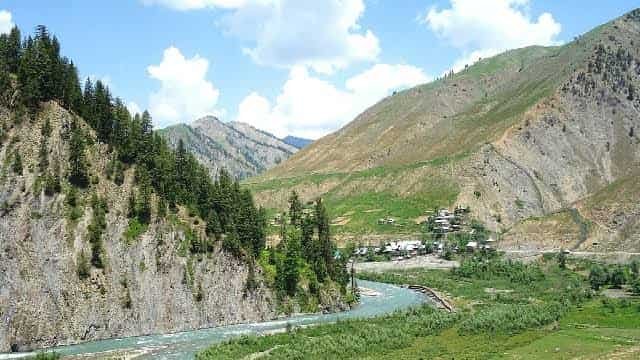
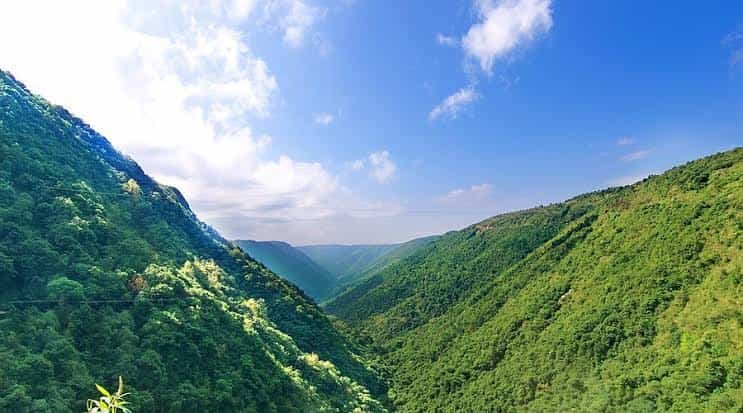
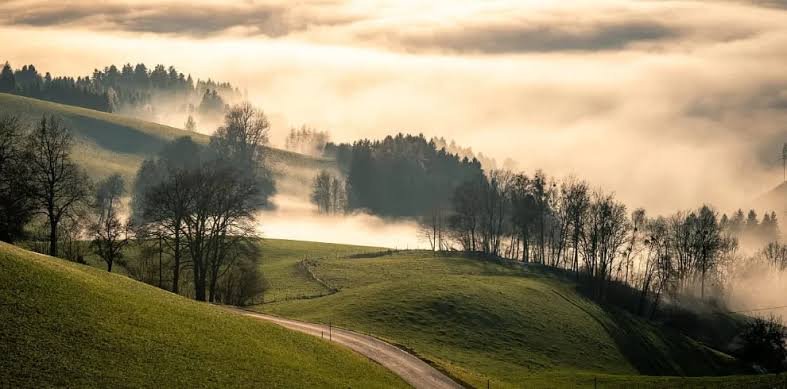
Seven kilometres from Jibhi village stands a nine-storey wooden tower called Chehni Kothi, built centuries ago using the same Kathkuni technique — alternating layers of stone and deodar wood — that once defined this entire Banjar Valley belt. Jibhi has grown into one of Himachal’s favourite quiet getaways precisely because of this mix: genuine architectural heritage, a waterfall barely a kilometre from the village centre, and the road up to Jalori Pass, one of Kullu district’s highest motorable points, all within easy reach of a place that still feels more like a lived-in mountain village than a tourist town.
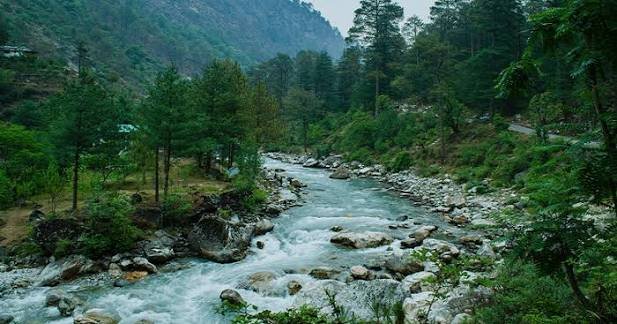
Jibhi Valley: Quick Facts
| Aspect | Details |
| Location | Banjar Valley, Kullu district, Himachal Pradesh (GHNP buffer zone) |
| Altitude | Approx. 2,250 metres |
| Distance from Banjar | Approx. 8 km |
| Distance from Aut | Approx. 56 km |
| Distance from Delhi | Approx. 500 km (11-12 hours) |
| Distance from Chandigarh | Approx. 270-290 km (7-9 hours) |
| Distance from Manali | Approx. 145 km (4-5 hours) |
| Nearest Airport | Bhuntar (Kullu), approx. 56 km |
| Best Time to Visit | March to June and September to November |
| Key Attractions | Jibhi Waterfall, Chehni Kothi, Jalori Pass, Serolsar Lake |
| Jalori Pass Altitude | Approx. 3,120 metres (10,500-10,800 feet) |
| Jalori Pass Open Season | Generally April to November (closed January-March) |
| ATM Access | None in Jibhi; nearest at Banjar (8 km) or Aut (56 km) |
| Ideal Trip Duration | 2-4 nights |
How to Reach Jibhi Valley
Jibhi sits just off the main Manali highway, with a critical turn-off at Aut that first-time visitors often miss.
- By Air: Bhuntar Airport near Kullu is the nearest, roughly 56 km away, connected mainly to Delhi and Chandigarh.
- From Delhi: The standard route runs Delhi-Chandigarh-Mandi-Aut-Banjar-Jibhi, covering about 500 km in 10-12 hours; a Delhi-Manali Volvo bus to Aut followed by a local bus or taxi is a popular budget option.
- From Chandigarh: Follow NH21 to Mandi, continue through the Aut Tunnel, then take NH305 via Larji and Banjar, covering roughly 270-290 km in 7-9 hours.
- From Manali: Head south on NH3 to Kullu, pass through the Aut Tunnel, then take NH305 via Banjar, a distance of about 145 km taking 4-5 hours.
- The Critical Turn: At Aut, take the road toward Banjar before the tunnel — the Aut Tunnel itself leads toward Manali, not Jibhi, a mix-up that trips up several first-time drivers.
- Road Conditions: The final 30-60 km stretch from Aut and Banjar narrows considerably, so allow extra time, and check road updates before travelling during monsoon or winter.
Best Time to Visit Jibhi Valley
Jibhi’s seasonal character shifts noticeably, and picking the right window also determines whether Jalori Pass itself will even be accessible.
- March to June (Spring): Widely considered the best window, with blooming apple orchards, temperatures around 15-25°C, and green, accessible trails; Jalori Pass typically reopens by late March or early April.
- September to November (Autumn): A strong second window, offering post-monsoon clarity and golden foliage, particularly rewarding for the Jalori Pass and Serolsar Lake side trip.
- July to August (Monsoon): Best avoided if road conditions concern you, since NH305 is prone to landslides during this stretch.
- December to February (Winter): Jibhi village itself receives light snowfall and remains accessible for a quiet, snow-dusted retreat, though Shoja and Jalori Pass see heavier snow, and the pass typically closes entirely from January to March.
Things to Do in Jibhi Valley
Jibhi’s own attractions are compact and walkable, making it easy to combine a relaxed village stay with day trips further up toward Jalori Pass.
- Visit Jibhi Waterfall: Just 1 km from the village centre, roughly a 15-minute walk, accessible year-round and one of the easiest attractions to fit into any itinerary.
- Explore Chehni Kothi: A striking nine-storey Kathkuni tower about 7 km from Jibhi, reached after a roughly 45-minute walk, offering a genuine look at traditional Himachali architecture.
- Walk the Forest Trail Near Jibhi: A short, quiet walk through moist forest with wooden bridges and mossy stone, best done before 9 AM when the trail is at its calmest.
- Try Trout Fishing: Given Jibhi’s proximity to the Tirthan Valley belt, trout fishing is a popular, relaxed activity for those wanting to slow down further.
- Visit Sheshnag Temple: A local temple worth including in a village exploration day, adding a cultural stop alongside the natural attractions.
- Stay in a Treehouse: Jibhi has become known for treehouse accommodation, a distinctive way to experience the valley’s forest setting.
- Explore “Mini Thailand”: A locally nicknamed scenic spot near Jibhi, popular for photography among visitors exploring the area on foot.
Jalori Pass and Serolsar Lake: Worth the Side Trip?
Since this is the single most popular extension from Jibhi, it’s worth understanding exactly what the day trip involves before committing to it.
- The Drive Itself: Roughly 14 km from Jibhi via NH305 and the Shoja junction, taking about 45 minutes to an hour, climbing from 2,250m to 3,120m through deodar and oak forest, crossing wooden bridges over the Tirthan River.
- Road Difficulty: Manageable for most of the climb, but the final 3 km before the top turns rough, narrow, and steep — best suited to experienced hill drivers or a local cab rather than an unfamiliar self-drive.
- Timing Your Arrival: Aim to reach the pass by 10-11 AM at the latest, since weather and visibility can shift later in the day; there’s no overnight stay option at the top, so base yourself in Jibhi or Shoja.
- Trekking to Serolsar Lake: A well-marked 5 km trail (2-2.5 hours) through ancient oak and deodar forest, carpeted with wildflowers in May, leading to a sacred lake edged by the Budhi Nagin temple — local folklore holds birds keep the lake’s surface clean by removing any debris that falls in.
- Additional Extension: Raghupur Fort is also reachable via a short trek from the pass area, for those wanting to extend the day further.
- Practical Note: No fuel stations exist beyond Aut or Banjar, so tank up before heading toward Jalori Pass, and carry cash since Jibhi itself has no ATM.
FAQs
Q1. Is Jalori Pass always open when I visit Jibhi, or should I check in advance?
No — the pass is seasonal, generally open April to November depending on BRO snow clearance, and typically closed from January to March, so if reaching Jalori Pass and Serolsar Lake is a priority, confirm current status before finalizing your travel dates, especially in early spring.
Q2. Do I need a Great Himalayan National Park permit to visit Jibhi or trek to Jalori Pass?
No permit is required for Jibhi itself or the Jalori Pass-Serolsar Lake trek, since the trailhead sits outside the core park boundary within the GHNP buffer zone; permits only become necessary for deeper treks into the park’s core zone.
Q3. How much cash should I carry, given there’s no ATM in Jibhi?
Since Jibhi has no ATM, withdraw sufficient cash at Banjar (8 km away) or Aut (56 km away) before arriving, as most homestays and small local eateries in the village may not reliably accept card payments.
Q4. Is it possible to visit Jibhi Waterfall and Chehni Kothi in a single afternoon without a vehicle?
Yes, both are within walking distance of the village — the waterfall is about a 15-minute walk and Chehni Kothi around 45 minutes — making it entirely possible to cover both on foot in a single relaxed afternoon.