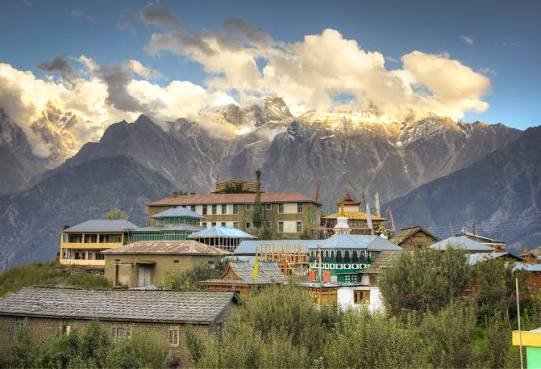
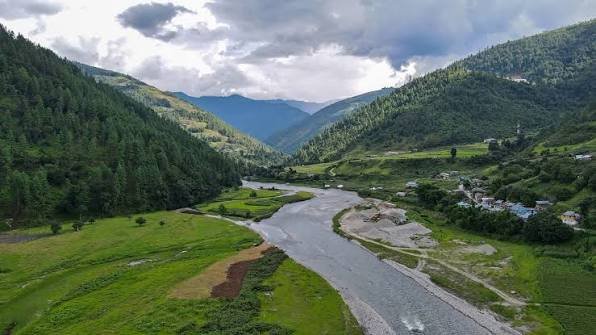
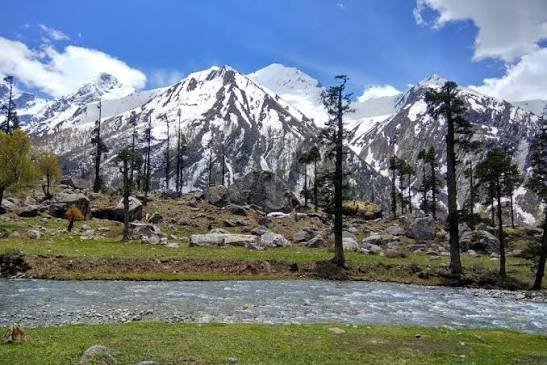
Few treks in India deliver quite the same landscape whiplash as Hamta Pass — five days that begin in the lush, forested meadows of Kullu Valley and end in the stark, barren terrain of Lahaul, separated by a single high-altitude crossing at over 14,000 feet. This crossover character, along with a moderate difficulty rating that genuinely suits fit beginners, has made Hamta one of Himachal’s most popular introductory Himalayan treks, often extended with a side trip to the turquoise waters of Chandratal Lake on the Lahaul side.
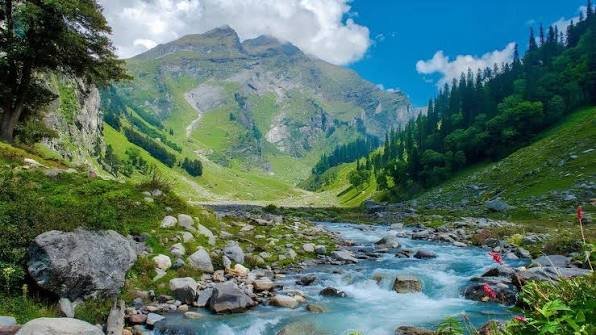
Hamta Valley: Quick Facts
| Aspect | Details |
| Location | Kullu-Lahaul border, Himachal Pradesh |
| Trek Type | Crossover (starts in Kullu, ends in Lahaul) |
| Maximum Altitude | Approx. 14,000-14,100 feet (4,270 metres) |
| Total Trek Distance | Approx. 26-28 km |
| Base Camp | Jobra (approx. 18 km from Manali) |
| Duration | 5 days (6 days with Chandratal Lake extension) |
| Difficulty | Moderate; suitable for fit beginners |
| Trek Season | Mid-June to early/mid-October |
| Best Time | June-July (snow and flowers) or September (clearest views) |
| Nearest Airport | Bhuntar Airport, Kullu |
| Nearest Railway Station | Joginder Nagar |
| End Point | Chatru (Lahaul side); drive back to Manali or onward to Chandratal |
How to Reach Hamta Valley (Jobra Base Camp)
Since Hamta’s trailhead sits close to Manali, reaching the starting point involves a relatively short road journey compared to most Himalayan treks.
- By Air: Bhuntar Airport near Kullu is the nearest, connected mainly to Delhi and Chandigarh, followed by a road journey to Manali.
- By Train: Joginder Nagar serves as the nearest railway station, though most trekkers rely on road transport for the final approach given limited rail connectivity.
- By Road to Manali: The standard gateway, well-connected by bus and taxi from Delhi and Chandigarh.
- Manali to Jobra: A short 18 km drive, typically arranged as part of a trek package, taking the trekking group to the actual starting point of the Hamta Pass route.
- Return Journey Options: The trek ends at Chatru on the Lahaul side, from where trekkers either drive back to Manali via the Atal Tunnel (roughly 140 km, 5-6 hours) or continue onward to Chandratal Lake before returning.
Best Time to Visit Hamta Valley
Since Hamta’s short trekking season runs entirely within a five-month window, understanding how each month differs genuinely helps in choosing the right time.
- Mid-June to Early July: Expect lingering snow patches on higher reaches, cold river crossings, and blooming wildflowers along the Kullu-side meadows — a visually striking but slightly more challenging window given residual snow.
- Mid-July to August (Monsoon): The valley turns fully green with wildflowers in the meadows, though clouds frequently roll through the valleys and landslide risk increases, so trail conditions require extra caution during this stretch.
- September: Widely considered the best window for clarity, with skies clearing after monsoon and offering the sharpest mountain views of the trip, alongside more stable trail conditions.
- Late September to Mid-October: A quieter, cooler alternative as the season winds down, with autumn light adding a different character to the landscape before the pass eventually closes for winter.
- Chandratal Accessibility: The lake itself only becomes reachable by road after late June, once winter snow has sufficiently melted, so an early-June trek may rule out the Chandratal extension entirely.
Things to Do on the Hamta Valley Trek
The trek itself unfolds across a handful of distinct stages, each with its own character and highlights.
- Trek Through Kullu’s Forested Meadows: The early stages of the route pass through lush greenery and river valleys, offering a striking contrast to what awaits on the Lahaul side.
- Cross Hamta Pass Itself: The trek’s signature achievement, a demanding but manageable summit push typically started early (around 5:00-5:30 AM) to cross before afternoon weather rolls in, rewarding trekkers with views spanning both valleys.
- Camp at Balu Ka Ghera and Shea Goru: These high-altitude campsites offer some of the trek’s most memorable overnight stops, with dramatic mountain backdrops on both sides of the pass.
- Descend into Lahaul’s Barren Terrain: The stark contrast after crossing the pass — from Kullu’s green meadows to Lahaul’s dry, rugged landscape — is often cited as the trek’s most striking visual transition.
- Visit Chatru: The trek’s endpoint and a notable camping site, sitting at the convergence of three mountain passes (Hampta, Rohtang, and Spiti), making it a scenic final stop before returning to civilisation.
- Extend to Chandratal Lake: Many trekkers add a day specifically to visit this high-altitude lake, roughly 4-5 hours by jeep from Chatru, camping near its shores for a night of stargazing before heading back to Manali.
- Photograph the Rani Nallah Wildflowers: Particularly vivid in July, this stretch on the Kullu side often features a genuine “sea of flowers” that photographers specifically time their trek around.
Should You Add Chandratal to Your Hampta Trek?
Since this extension genuinely changes both the trip’s length and cost, it’s worth weighing the trade-offs before booking.
- What It Adds: An extra day (bringing the total to 6 days) and a jeep drive from Chatru to Chandratal Lake, one of the Himalayas’ most photographed high-altitude lakes, sitting at roughly 14,000 feet.
- Timing Constraints: Since Chandratal only becomes road-accessible after late June, an early-season Hamta trek (early-to-mid June) may not be able to include this extension at all — check current road status with your trek operator.
- The Experience: Trekkers typically camp near the lake, enjoying serene surroundings and clear night skies, before continuing the drive back to Manali via Chatru and the Atal Tunnel.
- Worth the Extra Day?: Given Chandratal’s reputation as one of the most striking lakes in the Indian Himalayas, most trekkers who have the extra day and are visiting outside the very early season find the addition genuinely worthwhile rather than a mere add-on.
- Alternative: Those short on time can skip the extension and drive straight back to Manali from Chatru, completing the core Hamta Pass experience in the standard 5-day window.
FAQs
Q1. Is the Hampta Pass trek genuinely suitable for a first-time Himalayan trekker?
Yes, it’s widely rated moderate and specifically noted as suitable for beginners with reasonable fitness, making it one of the more accessible introductory treks in Himachal Pradesh, though the summit day and high-altitude crossing still demand genuine physical preparation.
Q2. Should I trek in June-July for the flowers or September for clear views if I can only choose one?
It depends on your priority — June-July offers blooming meadows and a lush, colourful landscape but comes with lingering snow and cold river crossings, while September delivers the clearest mountain views and most stable trail conditions, making it the safer overall choice for photography and comfort.
Q3. Can I do the Hampta Pass trek without adding the Chandratal Lake extension, and does that save meaningful time?
Yes, skipping Chandratal keeps the trek to its standard 5-day format, driving straight back to Manali from Chatru instead of continuing onward, which saves roughly a full day if your schedule is tight.
Q4. What should I know about altitude sickness risk on this trek given the 14,000+ foot pass crossing?
Acute Mountain Sickness can affect both beginners and experienced trekkers regardless of fitness level, since it results from climbing too high too quickly, so following your trek operator’s acclimatization schedule, staying hydrated, and reporting any symptoms immediately matters more than physical preparation alone.