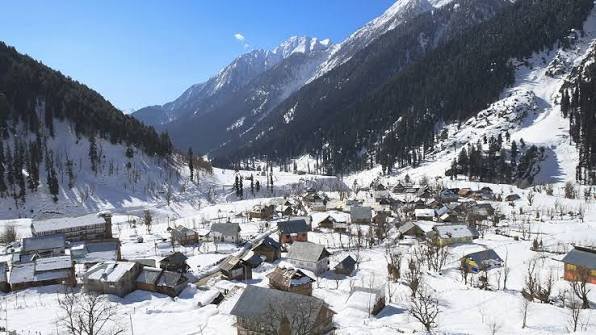
Tawang Monastery is the largest in India and the second-largest in the world after Lhasa’s Potala Palace — a 17th-century Buddhist seat of learning perched at nearly 10,000 feet, overlooking a valley that took most of its visitors two full days of mountain driving to reach. That’s begun to change: the Sela Tunnel, which opened in 2025, now cuts through the mountain below the notoriously icy Sela Pass, reducing seasonal closures and shaving real time off the journey. Tawang remains one of Northeast India’s most rewarding and demanding destinations, combining deep Monpa Buddhist culture, dramatic high-altitude passes, and proximity to the Indo-China border in a way few other places in the country can match.
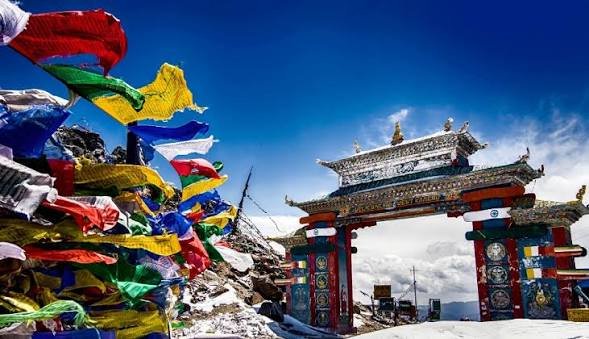
Tawang Valley: Quick Facts
| Aspect | Details |
| Location | Tawang district, Arunachal Pradesh |
| Altitude | Approx. 3,000-3,048 metres (10,000 feet) |
| Distance from Guwahati | Approx. 440-509 km (12-16 hours, route-dependent) |
| Distance from Tezpur | Approx. 315-350 km |
| Standard Route | Guwahati/Tezpur – Bhalukpong – Bomdila – Dirang – Sela Pass – Tawang |
| Sela Pass Altitude | Approx. 4,170 metres (13,700 feet) |
| Sela Tunnel | Operational since 2025, reducing weather-related closures |
| Nearest Airport | Guwahati or Tezpur |
| Nearest Railway Station | Rangapara North, Assam (approx. 300 km) |
| Permit Required | Inner Line Permit (Indian nationals); Protected Area Permit (foreign nationals) |
| Best Time to Visit | March to October (peak: April-June and September-October) |
| Known For | Tawang Monastery, Sela Pass, Bum La Pass, Monpa culture |
| Recommended Duration | 5-7 days including travel |
Permits and How to Reach Tawang
Reaching Tawang is a genuine multi-day journey, and understanding both the permit process and the recent infrastructure changes matters before setting out.
- Inner Line Permit: Mandatory for all Indian nationals, obtainable online through the official Arunachal Pradesh ILP portal or at entry checkpoints like Bhalukpong.
- Protected Area Permit: Required for foreign nationals, arranged through a registered tour operator and typically taking 5-7 working days to process.
- By Air: Guwahati offers the widest flight connectivity, though Tezpur Airport (with more limited flights from Kolkata and Guwahati) shortens the subsequent road journey slightly.
- By Train: Rangapara North in Assam is the nearest railway station, roughly 300 km from Tawang, followed by a 10-12 hour road journey via Tezpur and Bomdila.
- By Road: The classic route runs Guwahati/Tezpur to Bhalukpong, Bomdila, Dirang, over Sela Pass, and finally into Tawang — a journey of 440-509 km typically split across two days with an overnight halt in Dirang.
- Helicopter Option: Limited helicopter services connect Guwahati and Tawang twice weekly, cutting the journey to just over an hour each way, though schedules are weather-dependent and seats limited.
- Monsoon Caution: June to September brings the highest landslide risk along this route, so building buffer days into any monsoon-season itinerary is essential.
Best Time to Visit Tawang
Given the extreme altitude variation along the route and Tawang’s own high elevation, timing significantly shapes both the journey and the experience once you arrive.
- March to May (Spring): Pleasant temperatures, blooming rhododendrons, and increasingly stable road conditions as winter snow clears from Sela Pass.
- September to October (Autumn): Widely considered the best window for clear skies and photography, with stable roads and comfortable sightseeing conditions.
- April to June (Early Summer): Temperatures range 10-22°C with clear skies, making this the peak season for outdoor activities like trekking and sightseeing.
- November to March (Winter): A genuinely magical snowy experience at Sela Pass, Bum La Pass, and Tawang town itself, but roads can close due to heavy snowfall, and travel becomes considerably riskier — snow can linger at high points well into May in some years.
- June to September (Monsoon): The most challenging window for road travel, with frequent landslides, low visibility, and unpredictable conditions, though the upside is noticeably fewer tourists.
Things to Do in Tawang
Tawang’s attractions span deep Buddhist heritage, dramatic mountain passes, and border-area sightseeing, giving visitors a genuinely varied itinerary once they’ve made the journey in.
- Visit Tawang Monastery: The valley’s centrepiece, this 17th-century monastery houses significant Buddhist artifacts and remains an active centre of learning, offering both spiritual and architectural interest.
- Cross Sela Pass: One of the highest motorable passes in India, offering dramatic snow-capped views and now more reliably accessible thanks to the adjacent Sela Tunnel.
- Visit Bum La Pass: Located on the actual Indo-China border, this requires an additional special permit beyond the standard ILP and offers a genuinely rare glimpse of India’s northeastern frontier.
- See Madhuri Lake (PT Tso): A scenic high-altitude lake, named after a Bollywood film shot here, offering peaceful reflection amid the mountains.
- Visit Jaswant Garh War Memorial: A significant stop honouring a soldier’s heroism during the 1962 Indo-China war, adding historical depth to the journey.
- Photograph Nuranang Falls: A dramatic waterfall along the route, worth a stop for both its scenery and its own cinematic history.
- Explore Monpa Villages and Culture: Beyond the monastery, spending time in local Monpa communities offers insight into the region’s distinct Tibetan Buddhist traditions, separate from the broader Kashmiri or Ladakhi Buddhist cultures found elsewhere in India.
The Sela Pass Journey: What’s Changed in 2025
Since the Sela Tunnel represents a genuine shift in how Tawang is reached, understanding what it actually changes helps set realistic expectations for a 2026 trip.
- Fewer Weather-Related Closures: The tunnel bypasses the highest, iciest stretch of Sela Pass, meaning fewer total road shutdowns during bad weather compared to the old pass-only route.
- Shorter Travel Time on Good Days: Under favourable conditions, the tunnel meaningfully cuts driving time compared to the traditional pass crossing.
- The Pass Remains an Attraction: Despite the tunnel’s practical benefits, many travellers still stop at Sela Pass itself (or the tunnel exit) for photography, since the dramatic high-altitude scenery remains a highlight regardless of which route vehicles technically use.
- Landslides Still a Factor: The tunnel addresses snow-related pass closures specifically, but the broader route between Guwahati and Tawang, especially the Bhalukpong-to-Bomdila stretch, remains prone to monsoon landslides between June and September.
- Plan for Flexibility Either Way: Even with the tunnel’s improvements, carrying patience and building buffer time into your itinerary remains essential, since this is still genuinely challenging mountain terrain.
FAQs
Q1. Has the Sela Tunnel made Tawang accessible year-round, or is winter travel still risky?
The tunnel has reduced weather-related closures significantly, but winter travel (November to March) remains genuinely riskier due to snow and ice on the broader route, so while access has improved, it hasn’t eliminated winter road hazards entirely.
Q2. How many days should I realistically plan for a Tawang trip from Guwahati?
Given the 12-16 hour drive typically split across two days each way, plan for at least 5-7 days total, including a Dirang overnight stop on both the outbound and return journey, plus 2-3 days actually exploring Tawang itself.
Q3. Do I need a separate permit to visit Bum La Pass beyond my standard Tawang ILP?
Yes — Bum La Pass sits directly on the Indo-China border and requires an additional special permit beyond the standard Inner Line Permit needed for Tawang itself, so arrange this specifically through your tour operator if it’s on your itinerary.
Q4. Is it better to visit Tawang in spring or autumn for the best overall experience?
Both offer strong conditions — spring (March-May) brings rhododendron blooms and milder temperatures, while autumn (September-October) offers the clearest skies and most stable road conditions for photography, so autumn is generally the safer choice if reliable weather is your priority.