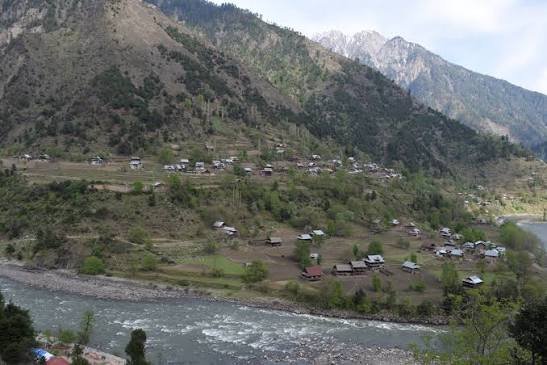
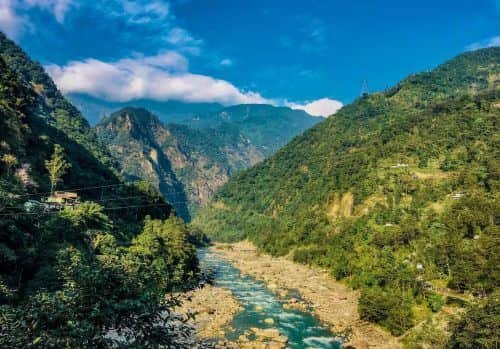
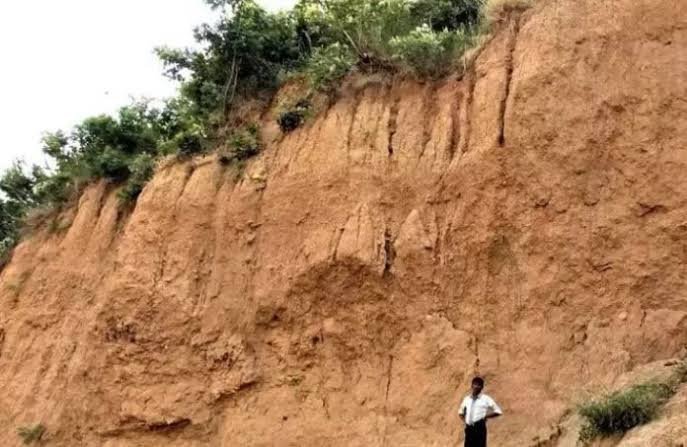
Long before the Indus Valley Civilisation or even the earliest Vedic settlements, communities were already living, farming, and painting on rock shelters along the Belan River in what is now southeastern Uttar Pradesh. Excavations led by archaeologist G.R. Sharma and others uncovered an almost unbroken record stretching from the Lower Paleolithic through the Mesolithic and into the Neolithic, including some of the earliest known evidence of domesticated rice in the Indian subcontinent at sites like Koldihwa. Unlike a conventional hill station or wildlife park, Belan Valley isn’t built around tourist infrastructure — it’s a genuine research landscape spread across Sonbhadra, Mirzapur, and Prayagraj districts, best approached as a heritage and archaeology-focused trip rather than a typical sightseeing itinerary.
Belan Valley: Quick Facts
| Aspect | Details |
| Location | Sonbhadra, Mirzapur, and Prayagraj districts, Uttar Pradesh |
| River | Belan River (tributary of the Tons, which joins the Ganga) |
| Region | Northern fringes of the Vindhyan plateau |
| Approximate Span | Approx. 7,800 sq km, extending into adjoining Madhya Pradesh |
| Archaeological Significance | Continuous record from Lower Paleolithic to Neolithic/Chalcolithic |
| Key Excavated Sites | Chopani Mando, Koldihwa, Mahagara |
| Known For | Early rice domestication evidence, prehistoric rock art |
| Nearest City/Base | Mirzapur (also Prayagraj) |
| Nearest Airport | Varanasi Airport (approx. 70 km from Mirzapur) |
| Nearest Railway Station | Mirzapur Railway Station |
| Best Time to Visit | October to March |
| Visitor Infrastructure | Minimal at excavation sites; best combined with Mirzapur’s established attractions |
Key Archaeological Sites Within Belan Valley
Since Belan Valley isn’t a single fenced site but a river corridor dotted with excavation locations, understanding what each place actually represents helps set realistic expectations.
- Chopani Mando: Located in Prayagraj district, this site provided some of the earliest evidence of semi-permanent human settlements in the region, along with early pottery-making and possible use of wild rice, dating to the Mesolithic period.
- Koldihwa: One of the most significant Neolithic sites in India, associated with early domesticated rice cultivation, marking it as a key location for understanding South Asia’s agricultural origins.
- Mahagara: Located near Koldihwa, this site has yielded evidence of early cattle domestication alongside cereal cultivation, complementing the picture of Neolithic settlement in the valley.
- Kauva Khoh (Mirzapur): Considered the largest rock art site in Uttar Pradesh, featuring ancient paintings and carved hunting scenes that offer a visual record of prehistoric life in the Vindhya hills.
- Vindhya Hill Rock Shelters: Beyond the named excavation sites, the wider Vindhyan zone around Mirzapur holds numerous rock shelters with petroglyphs and paintings, some among the oldest examples of human artistic expression found in India.
Best Time to Visit Belan Valley
Given its location in the Gangetic plains bordering the Vindhya hills, Belan Valley’s climate follows a fairly standard North Indian pattern.
- October to March: The clear recommendation, with cooler, more comfortable temperatures suited to outdoor exploration of rock shelters and open excavation areas.
- November to February: The most pleasant stretch within this window, ideal for combining a Belan Valley heritage visit with Mirzapur’s other attractions without contending with either monsoon humidity or summer heat.
- April to June (Summer): Best avoided, since this region of Uttar Pradesh experiences intense heat that makes extended outdoor site visits genuinely uncomfortable.
- July to September (Monsoon): Also generally discouraged, as rainfall can affect access to some of the more remote rock shelter locations and excavation sites.
How to Reach Belan Valley
Since Belan Valley spans three districts without a single defined entry point, most visitors approach it via Mirzapur, which offers the most established transport connectivity in the region.
- By Air: Varanasi Airport is the nearest, roughly 70 km from Mirzapur, with the onward journey completed by road.
- By Train: Mirzapur Railway Station is well-connected to major cities and serves as the most practical rail gateway for the region.
- By Road: Mirzapur sits on well-connected highways, making it reachable by bus or private vehicle from Varanasi, Prayagraj, and other nearby Uttar Pradesh cities.
- From Prayagraj: Since key sites like Chopani Mando, Koldihwa, and Mahagara fall within Prayagraj district, travellers based there can also approach the valley directly rather than routing through Mirzapur.
- Local Access to Sites: Reaching the specific excavation locations and rock shelters typically requires local guidance or a hired vehicle, since these aren’t marked tourist attractions with clear signage or public transport connections.
What to Expect: A Research Site, Not a Tourist Park
Given how different Belan Valley is from a typical sightseeing destination, setting the right expectations before visiting matters considerably.
- Minimal Formal Infrastructure: Unlike a managed archaeological park, most Belan Valley excavation sites lack visitor centres, marked trails, or ticketed entry — this is a landscape studied by archaeologists rather than curated for tourism.
- Best Approached with Local Knowledge: Given the lack of signage, engaging a knowledgeable local guide or historian, particularly one familiar with the specific excavation sites, significantly improves the experience over attempting to navigate independently.
- Combine with Mirzapur’s Established Attractions: Since Mirzapur itself offers well-developed tourism around Vindhyachal Temple, Chunar Fort, and waterfalls like Lakhaniya Dari, most practical itineraries pair a Belan Valley heritage detour with these more accessible sites rather than treating the prehistoric zone as a standalone destination.
- A Trip for Genuine History Enthusiasts: This isn’t a destination for casual sightseeing; it rewards travellers with a specific interest in prehistoric archaeology, early agriculture, or India’s deep human history, rather than those seeking conventional scenery or entertainment.
- Academic and Research Value: Much of what’s known about the valley comes from published archaeological research rather than on-site interpretive material, so those wanting deeper context may benefit from reading about the excavations beforehand.
FAQs
Q1. Is Belan Valley a proper tourist destination with entry fees, guides, and facilities, or is it purely a research site?
It’s primarily a research and archaeological landscape rather than a developed tourist attraction — there’s minimal formal visitor infrastructure at most excavation sites, so it’s best approached as a heritage-focused detour combined with Mirzapur’s established attractions rather than a standalone sightseeing destination.
Q2. Can I actually see excavated artifacts or ruins on-site, or are these mostly historical rather than visible remains?
Much of the significance lies in what archaeologists have documented and removed for study rather than visible standing structures, so visitors should expect to see rock shelters, landscape context, and rock art (like at Kauva Khoh) rather than an intact excavated site with displayed artifacts.
Q3. Should I hire a local guide, or can I navigate to the key sites like Koldihwa and Chopani Mando independently?
Given the lack of clear signage and public transport to these specific locations, hiring a local guide or vehicle familiar with the exact sites is strongly recommended over attempting independent navigation, especially for first-time visitors unfamiliar with the region.
Q4. How should I structure a trip that includes both Belan Valley’s prehistoric sites and Mirzapur’s regular attractions?
Base yourself in Mirzapur, and plan a full day dedicated to the Belan Valley heritage sites (with a local guide) alongside separate time for Vindhyachal Temple, Chunar Fort, and nearby waterfalls, treating the trip as a broader Mirzapur-region itinerary rather than trying to fit everything into a single rushed day.