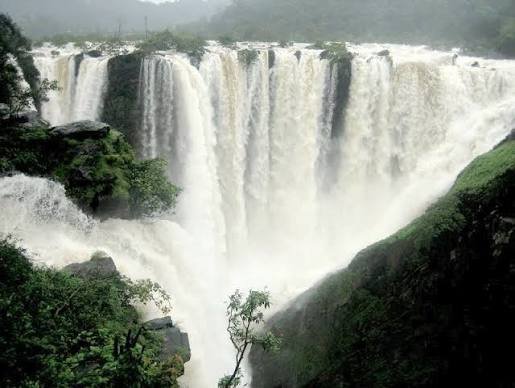
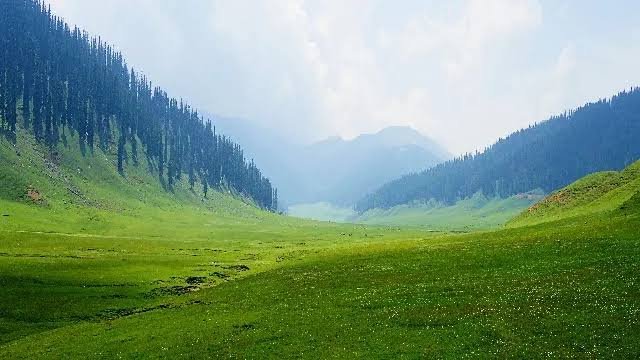
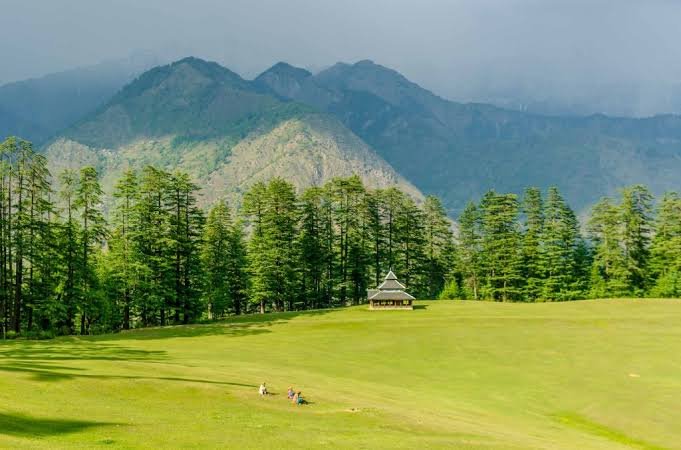
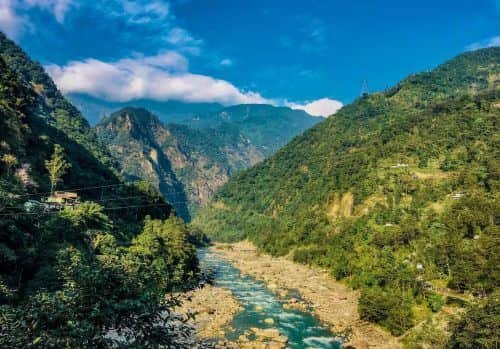
In 1960, Sikkim’s Chogyal declared a triangular stretch of North Sikkim off-limits to outside settlement, reserving it exclusively for the Lepcha people — the original inhabitants of Sikkim. Nearly six decades later, in 2018, the Sikkim government went further, designating Dzongu a “Primitive World,” a status that legally protects both the land and the Lepcha community’s way of life within it. Non-Lepchas still cannot own property or settle here permanently, and every visitor, Indian or foreign, needs a special permit beyond the standard Sikkim Inner Line Permit. What awaits inside is genuinely rare: a living cultural reserve bordered by the Teesta River, the Tholung Chu, and the flanks of Kangchenjunga itself.
Dzongu Valley: Quick Facts
| Aspect | Details |
| Location | North Sikkim, near Mangan |
| Legal Status | Official Lepcha Reserve (since 1960); “Primitive World” designation (2018) |
| Boundaries | Teesta River (southeast), Tholung Chu River (northeast), Kangchenjunga range (west) |
| Altitude Range | Approx. 3,000-20,000 feet |
| Distance from Gangtok | Approx. 67-76 km (3-4 hours) |
| Distance from Mangan | Approx. 10-18 km |
| Distance from NJP/Bagdogra | Approx. 135-175 km (5-7 hours) |
| Permit | Special permit + Sikkim Inner Line Permit, from DC/DM office in Mangan (₹150 per person) |
| Foreign Nationals | Generally not permitted |
| Villages | Upper Dzongu (Tingvong, Cussong); Lower Dzongu (Passingdang, Lingdum) |
| Best Time to Visit | March to May and September to October/December |
| Local Drink | Chee (millet-based alcoholic beverage) |
| ATM | None within Dzongu; nearest at Gangtok |
Permits and Access
Since Dzongu remains a genuinely restricted cultural reserve rather than a standard tourist destination, understanding the permit process matters more here than almost anywhere else in Sikkim.
- Two-Layer Permit System: Visitors need both the standard Sikkim Inner Line Permit and an additional special permit specifically for Dzongu, since it’s a protected Lepcha territory distinct from general Sikkim tourism zones.
- Where to Get It: The special permit is issued at the District Collector’s (DC) or District Magistrate’s (DM) office in Mangan, North Sikkim’s district headquarters.
- The Easy Route: Most travellers simply send scanned copies of a valid photo ID (Aadhaar or Voter ID) and a passport-size photograph to their booked homestay in advance; the homestay owner arranges the permit on your behalf.
- Foreign Nationals: Generally not permitted to enter Dzongu at all, given the reserve’s protected status — this is effectively an Indian-nationals-only destination.
- The Checkpost: Before entering Dzongu proper, you’ll need to submit your original permit at a police checkpost, historically at Sankalang near Mangan; a duplicate is accepted temporarily if the original hasn’t yet reached you, with the original submitted upon return.
- Route Changes Since 2016: A significant landslide altered the course of the Teesta River, making the Sankalang entry point (connecting Mangan to Upper Dzongu via Passingdang) the primary access route today, with the older Pheedang/Dikchu route into Lower Dzongu now offering more limited connectivity — always confirm current road status with your homestay before departure.
Best Time to Visit Dzongu Valley
Given Dzongu’s dramatic altitude range and Sikkim’s broader monsoon-prone geography, timing significantly affects both comfort and road accessibility.
- March to May (Spring): Widely cited as the best window, with moderate, pleasant temperatures, clear skies revealing the full Himalayan range, and active birdlife throughout the reserve.
- September to October/December (Autumn): An equally strong alternative, offering crisp, clear conditions after monsoon recedes, though some sources specifically highlight February-March as another favourable stretch.
- Monsoon (June-August): Best avoided, since Sikkim’s broader landslide risk during this period can disrupt the already limited road access into Dzongu.
- Winter: Technically visitable year-round, but visitors should carry substantial warm clothing, gloves, and headwear given the cold, particularly at higher elevations within the reserve.
Things to Do in Dzongu Valley
Dzongu’s appeal is built around immersive village life, moderate trekking, and genuine cultural exchange rather than a checklist of formal sights.
- Stay in a Lepcha Homestay: The core Dzongu experience, offering traditional meals, direct interaction with Lepcha hosts, and insight into a culture with deep, centuries-old ties to this specific landscape.
- Trek to Tholung Monastery: A roughly 5-hour hike along the thundering Tholung Chu River, often combined with a stop at Lingzya Falls en route — one of the reserve’s more rewarding longer excursions.
- Visit Lingdem Hot Springs: A natural geothermal spot within the reserve, offering a relaxing stop after a day of walking or driving through Dzongu’s villages.
- Explore the Lepcha Museum at Namprikdang: A dedicated space showcasing Lepcha history, artifacts, and cultural heritage, offering context beyond what a village visit alone provides.
- Walk Through Upper and Lower Dzongu Villages: Tingvong and Cussong in Upper Dzongu, alongside Passingdang and Lingdum in Lower Dzongu, each offer their own character and pace, worth exploring on foot where possible.
- Try Chee: A traditional millet-based alcoholic drink, sharing a meal and this local beverage with your homestay hosts is often cited as one of the most memorable parts of a Dzongu visit.
- Visit Phodong and Labrang Monasteries En Route: If travelling by private vehicle from Gangtok, these two monasteries sit along the way and make worthwhile stops before entering the reserve itself.
Respectful Travel in a Living Reserve
Since Dzongu exists specifically to protect a living indigenous culture rather than function as a conventional tourist attraction, a few principles matter more here than at almost any other Sikkim destination.
- Understand the Land Ownership Restriction: Non-Lepchas cannot own land or establish permanent settlements within Dzongu — a legal protection that underscores this is fundamentally the Lepcha community’s home, not a tourism zone built for outsiders.
- Respect the Permit System as More Than Bureaucracy: The layered permit process exists specifically to limit visitor flow to what the community can sustainably absorb, so treat it as a meaningful boundary rather than an inconvenience to work around.
- Engage on the Community’s Terms: Sharing meals at unconventional times, participating respectfully in homestay traditions, and approaching cultural exchange with genuine curiosity rather than a checklist mentality goes a long way here.
- Recognize the “Primitive World” Designation’s Purpose: This 2018 status isn’t about romanticizing an “untouched” culture but about legally safeguarding Lepcha rights and lifestyle against the pressures that tourism and development have brought elsewhere in Sikkim.
- Support Local Homestays Directly: Since accommodation runs entirely through Lepcha-owned homestays rather than external hotel chains, your visit directly supports the community whose reserve you’re entering.
FAQs
Q1. Can foreign tourists visit Dzongu at all, or is it strictly for Indian nationals?
Foreign nationals are generally not permitted to enter Dzongu given its protected status as a Lepcha Reserve, making this effectively an Indian-nationals-only destination unlike most other Sikkim tourist areas.
Q2. Do I need to arrange the Dzongu permit myself, or can my homestay handle it entirely?
Most travellers simply send scanned ID proof and a passport-size photo to their booked homestay in advance, and the owner arranges the permit through the DC/DM office in Mangan — this is by far the easiest route compared to visiting the office yourself.
Q3. Since the 2016 landslide changed access routes, how do I confirm which entry point is currently usable?
Always check current road conditions with your homestay owner before departure, since the Sankalang entry point via Passingdang has become the primary route into Upper Dzongu, while the older Pheedang/Dikchu route into Lower Dzongu may offer more limited connectivity depending on current conditions.
Q4. Is Dzongu suitable for a quick one-day visit, or does it require a longer stay?
Given the permit process, travel time from Gangtok, and the reserve’s focus on immersive village experiences rather than quick sightseeing, a minimum 2-3 day stay is strongly recommended to properly experience homestay culture and at least one significant trek like the route to Tholung Monastery.