In 1995, a thermometer in Drass recorded temperatures approaching -60°C, cementing this small Kargil district town’s reputation as the second coldest inhabited place on Earth, trailing only Oymyakon in Siberia. Sitting at the foot of Zoji La Pass on the road between Srinagar and Leh, Drass has earned the nickname “Gateway to Ladakh” for centuries of guarding this crucial Himalayan crossing — and gained international recognition more recently as the site of the 1999 Kargil War, whose memorial now draws as many visitors as the valley’s extreme climate does.
Quick Facts about Drass Valley
| Aspect | Details |
| Location | Kargil district, Ladakh (formerly Jammu and Kashmir) |
| Nickname | Gateway to Ladakh |
| Altitude | Approx. 3,230 metres (10,764-10,990 feet) |
| Climate Record | Second coldest inhabited place in the world; recorded near -60°C (1995) |
| Distance from Srinagar | Approx. 97-144 km |
| Distance from Kargil | Approx. 55-60 km |
| Distance from Leh | Approx. 238 km |
| Population | Approx. 1,200 (Dardic and Baltic tribes) |
| Winter Temperature Range | -30°C to -45°C |
| Best Time to Visit | May to September |
| Key Attraction | Kargil War Memorial |
| Nearest Airport | Srinagar or Leh |
The Kargil War Memorial
Since this single site draws travellers to Drass as much as its climate does, understanding its significance and visiting logistics matters for anyone planning a stop here.
- Historical Background: In 1999, Pakistani forces intruded into the Kargil sector, with Drass and its surrounding villages coming under direct artillery shelling before Indian forces recaptured the area in what became known as the Kargil War.
- Location: The memorial sits directly on the Srinagar-Leh Highway (NH1), roughly 10 km from Drass town and about 55 km from Kargil.
- Timings and Entry: Free entry, with visiting hours generally from 10 AM to 5 PM.
- What to Expect: The memorial honours the soldiers who fought and died reclaiming the strategic heights above Drass, offering both a solemn tribute and sweeping views of the surrounding peaks where the conflict unfolded.
- A Roadside Stop, Not a Trek: Reaching the memorial requires no hiking or special effort, making it an easy stop for anyone travelling the Srinagar-Leh highway regardless of their broader itinerary.
- Vijay Diwas: The memorial holds particular significance around Vijay Diwas (Kargil Vijay Diwas, July 26), commemorating India’s victory, and can see additional visitors and observances around this date.
Best Time to Visit Drass Valley
Given its extreme climate, timing a Drass visit is less about preference and more about basic viability.
- May to September: The clear recommendation across virtually every source, when the Srinagar-Leh Highway is fully open, temperatures range from roughly 15-20°C, and travel through Zoji La Pass is genuinely manageable.
- June to August: Often cited as the most comfortable stretch within this window, with the mildest daytime temperatures for sightseeing and any short treks.
- October to April (Winter): Temperatures plunge dramatically, ranging from -30°C to -45°C, with the valley experiencing some of the harshest inhabited conditions in India — travel during this period requires serious preparation and isn’t recommended for casual visitors.
- Zoji La Pass Closure: Since Drass sits right at the base of this high-altitude pass, its road accessibility is directly tied to when Zoji La itself remains open, generally aligning with the broader May-to-September window.
Things to Do in Drass Valley
Beyond the war memorial, Drass offers a handful of scenic and trekking-focused stops, particularly appealing to those using it as an acclimatization base before continuing deeper into Ladakh.
- Visit the Kargil War Memorial and Cemetery: The valley’s primary attraction, covered in detail above, and typically the first stop for most visitors.
- Explore Minamarg Meadow: Located about 30 km from Drass, just past Zoji La, this meadow sits beneath the Machoi Glaciers and offers a lush, scenic contrast to Drass’s stark cold-desert character — also a stop on trekking routes toward Amarnath.
- Trek the Suru Valley Route: A roughly three-day trek starting from Drass, traversing the sub-range between two valleys, popular with more committed trekkers looking to explore beyond the highway stops.
- Attempt the Minamarg-to-Amarnath Trek: For serious trekkers, Drass serves as a base for this multi-day route via Zoji La, connecting to one of Kashmir’s most significant pilgrimage destinations.
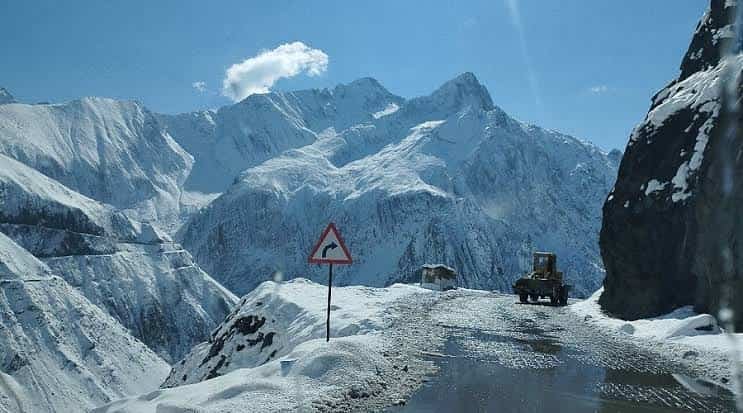
- Photograph Zoji La Pass: The dramatic gateway pass itself, with snow visible even in summer, marks the geographic and symbolic start of Drass Valley.
- Use Drass for Acclimatization: Given its position between Kashmir and higher-altitude Ladakh, many travellers use a short Drass stop specifically to begin adjusting to increasing elevation before continuing toward Kargil and Leh.
How to Reach Drass Valley
Drass sits directly on the Srinagar-Leh Highway (NH1), making it accessible without any detour for anyone already travelling this well-established route.
- By Air: Fly into either Srinagar or Leh, both offering onward road connections to Drass, with Srinagar generally the more practical choice since Drass falls naturally along the Srinagar-to-Ladakh route.
- By Road from Srinagar: Approximately 97-144 km, covered by taxi or bus, passing through Zoji La Pass en route.
- By Road from Kargil: A shorter stretch of roughly 55-60 km, making Drass an easy stop for those already based in or travelling through Kargil.
- By Road from Leh: A longer journey of approximately 238 km, though this route notably remains open even in winter, unlike the Srinagar side.
- By Bus: Local buses running between Srinagar and Kargil, typically departing Srinagar in the afternoon, pass directly through Drass.
- By Train: Jammu Tawi is the nearest major railway station, roughly 412 km away, requiring a subsequent bus or taxi journey to Srinagar and onward to Drass.
Living at the Edge: The People of Drass
Understanding who calls this extreme environment home adds real depth to a visit that might otherwise focus purely on cold-weather bragging rights and war history.
- The Guardians of Ladakh: The Dardic and Baltic communities of Drass have historically watched over Zoji La Pass for centuries, dating back to the era of pan-Asian trade routes, earning them this title for their role protecting this crucial crossing.
- A Small, Resilient Population: Around 1,200 residents inhabit Drass year-round, sustaining a distinct culture despite conditions that would make permanent settlement impossible in most other places.
- Saviours of Stranded Travellers: Locals are known for assisting travellers caught out by sudden weather changes while crossing Zoji La, a role rooted in generations of navigating this harsh terrain.
- Dardic Origins: The Dards are believed to be of Indo-Aryan origin, having migrated to the Ladakh region from Central Asia, giving Drass a distinct ethnic and cultural identity separate from both Kashmiri and central Ladakhi communities.
- A Living Testament to Endurance: Beyond its statistics and war history, Drass ultimately represents a community that has chosen to remain and thrive at one of the most extreme inhabited points on the planet.
FAQs
Q1. Is it worth visiting Drass specifically for its “coldest place” reputation, or should I only pass through on the way to Leh?
It’s genuinely worth a dedicated stop rather than just a passing glance — between the Kargil War Memorial, Minamarg meadow, and the chance to actually experience this extreme climate firsthand (in the manageable summer window), Drass offers more substance than its reputation as a mere pit-stop suggests.
Q2. Can I visit Drass in winter to experience the extreme cold, or is that genuinely too dangerous?
While technically possible for well-prepared, experienced winter travellers, temperatures dropping to -30°C to -45°C make casual winter visits inadvisable; most travellers, even those specifically curious about the cold, are better served visiting in the May-to-September window and learning about the winter extremes rather than experiencing them firsthand.
Q3. How much time should I set aside for the Kargil War Memorial specifically?
A visit typically takes an hour or two, including time to walk through the memorial grounds and take in the surrounding mountain views, making it easy to fit into a longer Srinagar-Leh highway journey without significantly disrupting your schedule.
Q4. Does Drass make sense as an overnight stop, or is it better as a day-trip pass-through?
Given its role as a natural acclimatization point between Kashmir and higher-altitude Ladakh, an overnight stay is genuinely worthwhile for travellers continuing toward Kargil and Leh, helping ease the altitude transition rather than pushing straight through in a single long drive.