Just a four-kilometre trek above Malana village — itself one of the Parvati Valley’s most talked-about stops — sits a place with barely 7-8 cafes, no ATMs, and often no mobile signal at all: Waichin Valley, known locally as “Magic Valley.” While Kasol and Malana have grown steadily more commercial over the past decade, Waichin has stayed genuinely quiet, its deodar forests, waterfalls, and views of the Pir Panjal range largely undisturbed by the crowds a short walk away. For travellers who’ve already done Kasol and want something rawer without a multi-day commitment, Waichin offers exactly that.
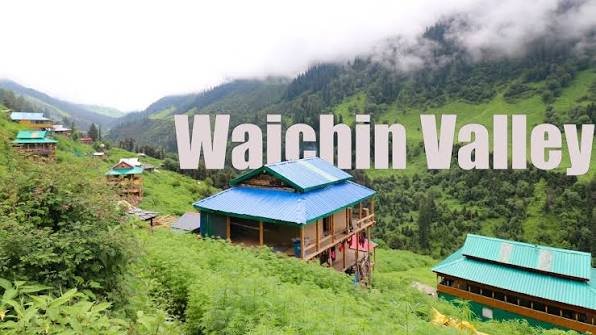
Waichin Valley: Quick Facts
| Aspect | Details |
| Location | Kullu district, Himachal Pradesh (above Malana village, Parvati Valley) |
| Altitude | Approx. 2,700-2,745 metres (9,000 feet) |
| Trek Start Point | Malana Dam |
| Trek Distance | Approx. 4 km |
| Trek Duration | Approx. 2 hours (one way) |
| Trek Grade | Easy to moderate; suitable for beginners |
| Best Time to Visit | March to June and September to November |
| Accommodation | Homestays and basic camping; 7-8 small cafes offering rooms |
| Cash/ATMs | No ATMs; carry sufficient cash |
| Mobile Network | Limited to none |
| Local Community | Kullu Valley communities including Gaddi and Kinnauri residents |
| Nearby Villages | Malana, Kasol, Tosh, Rasol |
| Known For | Deodar and pine forests, waterfalls, quiet trekking, stargazing |
How to Reach Waichin Valley
Reaching Waichin means first getting to Malana Dam, since the actual valley is accessible only on foot beyond that point.
- By Air: Bhuntar (Kullu-Manali) Airport is the nearest airport, connected mainly to Delhi and Chandigarh, followed by a road journey toward Kasol and Malana.
- By Road to Kasol: Most travellers base themselves in Kasol first, reachable via Bhuntar and Manikaran, before continuing toward Malana Dam.
- From Kasol to Malana Dam: A road journey covering the approach to the dam, from where the actual trek to Waichin begins.
- Malana Dam to Waichin Valley: The final and only way in — a roughly 4 km, 2-hour trek through forest, following the Malana stream and passing a couple of smaller waterfalls along the way.
- Group Tours and Local Guides: Since the trek is genuinely offbeat and lightly signposted, many travellers join a local trek operator or hire a guide from Kasol rather than attempting it entirely independently, particularly for a first visit.
Best Time to Visit Waichin Valley
Given Waichin’s elevation and cold-leaning climate for much of the year, the visiting window here is narrower than at lower Parvati Valley stops like Kasol.
- March to June: A strong window, with the valley beginning to shed winter snow and temperatures becoming more manageable for trekking and camping.
- September to November: An equally good stretch, offering clearer post-monsoon skies and comfortable daytime temperatures without the cold extremes of winter.
- October to March: Cited by some sources for those specifically wanting to experience Waichin’s snow-capped winter character, though this comes with genuinely cold conditions given the 2,700-metre altitude.
- Monsoon (July-August): Generally less recommended, since the trekking trail from Malana Dam can become slippery, and the waterfalls along the route, while more voluminous, come with increased trail risk.
Things to Do in Waichin Valley
Waichin’s activities lean toward slow, nature-focused experiences rather than a packed sightseeing list, in keeping with its quiet character.
- Trek from Malana Dam: The core experience, passing through deodar and pine forest and two smaller waterfalls before reaching the open valley itself.
- Camp Under Clear Night Skies: With minimal light pollution and limited connectivity, Waichin offers genuinely excellent stargazing, often highlighted as one of its standout draws.
- Birdwatching: The surrounding forest is home to species like the Cheer Pheasant, Kaleej, and Koklas, rewarding patient, quiet observation.
- Photography: Snow-capped peaks, pristine streams, and rustic village houses make Waichin a rewarding stop for photographers, with locals generally comfortable being photographed as well.
- Visit Waichin Nag Temple: A local shrine dedicated to the serpent deity Nag Devta, holding religious significance for the surrounding communities and drawing pilgrims through the year.
- Village and Cultural Interaction: With a sparse population and limited tourist infrastructure, conversations with local residents here tend to feel more genuine than in the increasingly commercialized villages nearby.
- Combine with Nearby Treks: Waichin sits close enough to Malana, Kheerganga, Tosh, and Rasol that many travellers combine it with one or more of these routes on a longer Parvati Valley itinerary.
What Sets Waichin Apart from Malana and Kasol
For travellers deciding whether Waichin is worth the extra trek beyond Malana, a few genuine differences matter.
- Far Fewer Cafes and Crowds: With only 7-8 basic cafes offering stays, Waichin has avoided the visible commercialization that’s reshaped much of Kasol and, to a lesser extent, Malana itself.
- No Reliable Connectivity: Unlike Kasol’s cafe Wi-Fi culture, Waichin offers a genuine digital detox, with little to no mobile signal once you’re past Malana Dam.
- A Shorter, More Beginner-Friendly Trek: At roughly 4 km and 2 hours, reaching Waichin is considerably more approachable than longer Parvati Valley treks like Kheerganga, making it a good entry point for those new to Himalayan trekking.
- A Quieter Spiritual Atmosphere: With meditation spots and yoga retreats scattered through the valley, Waichin attracts a smaller, more specifically wellness-focused traveller base compared to Kasol’s broader backpacker crowd.
- Cash-Only, Basic Infrastructure: The complete absence of ATMs and reliance on homestays over formal guesthouses means Waichin requires more advance planning than its more developed neighbours.
FAQs
Q1. Is Waichin Valley suitable for a first-time trekker, or does it require prior Himalayan trekking experience?
It’s considered easy to moderate and genuinely beginner-friendly, making it a good option for those wanting to build confidence before attempting longer treks like Kheerganga elsewhere in the Parvati Valley.
Q2. Can I visit Waichin Valley as a day trip from Kasol, or should I plan to stay overnight?
While a very rushed day trip is technically possible given the roughly 2-hour trek each way from Malana Dam, an overnight stay at one of the local homestays or campsites is far more rewarding, particularly for the valley’s genuinely excellent stargazing.
Q3. Since there are no ATMs, how much cash should I carry for a Waichin Valley visit?
Carry enough cash to cover accommodation, food, and any local guide fees for your entire stay, since there’s no way to withdraw money once you’re in the valley, and card payments generally aren’t accepted at the small local cafes.
Q4. Is mobile network completely unavailable in Waichin Valley, or does it depend on the carrier?
Coverage is generally described as limited to nonexistent regardless of carrier, so it’s best to inform someone of your itinerary before heading up and treat the visit as a genuine break from connectivity rather than expecting occasional signal.