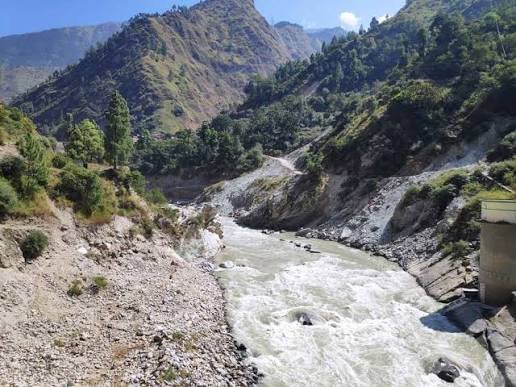
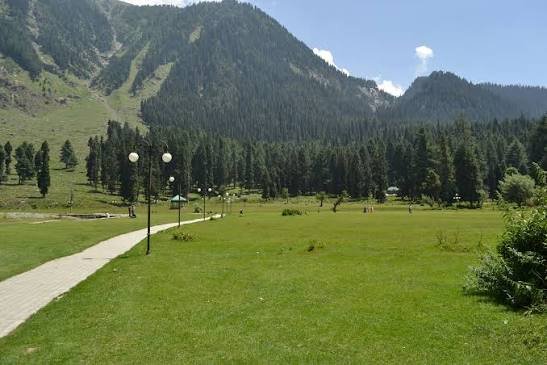
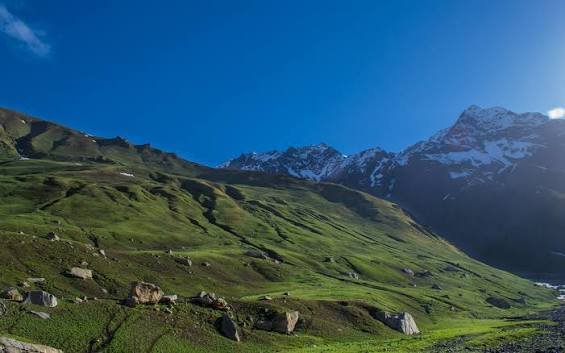
Deep inside Spiti’s cold desert, where barley and green pea fields turn a brief, startling shade of yellow and red each September, Pin Valley National Park protects one of India’s last strongholds of the snow leopard and the rare Siberian fox. Adjoining the Great Himalayan National Park and Rupi Bhabha Wildlife Sanctuary, this stretch of Lahaul-Spiti district feels genuinely apart even from the rest of Spiti — reached via a final settlement called Mud (Mudh) village, beyond which the only way in is on foot. For travellers who’ve already done Kaza’s monasteries and want something rawer, Pin Valley delivers.
Pin Valley National Park: Quick Facts
| Aspect | Details |
| Location | Lahaul-Spiti district, Himachal Pradesh (Spiti region) |
| Terrain | Cold desert, adjoining Great Himalayan National Park and Rupi Bhabha Sanctuary |
| Gateway Village | Mud (Mudh), the last inhabited settlement |
| Distance from Kaza to Mud | Approx. 32-50 km (route-dependent) |
| Park Roadhead | Mikkim, approx. 13 km from Mud |
| Trek into Park Interior | Approx. 10 km on foot from Mikkim |
| Timings | 6:00 AM to 6:00 PM daily |
| Entry Fee | Free for general visitors; nominal charge for core-zone trekking or filming |
| Permits | None for Indian nationals; Inner Line Permit required for foreign nationals |
| Best Time (General Visit) | May to September (July-early August for lush fields) |
| Best Time (Snow Leopard) | January to March (dedicated 3-7 day expeditions, also possible Nov-Dec) |
| Known For | Snow leopard and Siberian fox habitat, Kungri Monastery, barley/pea fields |
| Nearest Airport/Rail | Bhuntar (Kullu) Airport / Joginder Nagar (both distant; Kaza serves as logistical base) |
How to Reach Pin Valley
Every route to Pin Valley funnels through Kaza first, and from there, two distinct approaches determine both your journey time and your seasonal flexibility.
- Via Shimla-Kinnaur (Reliable, Year-Round): The route runs Shimla-Sarahan-Kalpa-Nako-Tabo-Kaza, generally open most of the year and considered the safer, more scenic option, typically taking 2-3 days with recommended overnight stops in Kalpa or Nako.
- Via Manali-Rohtang-Kunzum La (Faster but Seasonal): A shorter, steeper route through Atal Tunnel, Gramphu, Batal, and Kunzum La, covering roughly 200 km in 6-12 hours, but open only from mid-June to mid-October due to snow at the high-altitude passes.
- From Kaza to Mud: The final stretch runs via Attargo Bridge, covering roughly 32-50 km depending on the exact measurement point, partly on unpaved mountain roads, doable by self-drive SUV, hired taxi, or the daily HRTC bus departing Kaza around 4:00 PM.
- From Mud to the Park Interior: Beyond Mikkim (the roadhead, about 13 km from Mud), a further 10 km trek on foot is required to properly enter the park, so this isn’t a drive-up destination.
- Practical Note for Bikers: Carrying a jerrycan for fuel is advisable on the Manali route, since Manali and Kaza are the only reliable fuel stops along the way; attempting to reach Mud from Manali in a single day risks losing time to altitude sickness, so a halt in Kaza is recommended.
Best Time to Visit Pin Valley
Pin Valley’s ideal timing splits sharply depending on whether you’re visiting for general sightseeing or specifically hoping to spot a snow leopard.
- May to June: Considered best for first-timers, with comfortable daytime temperatures (10-20°C), blooming flowers, and both the Shimla and Manali routes open.
- July to Early August: When barley and green pea fields are in full swing and homestays at Mud and Sagnam are fully open — though this is also peak crowd season, so early starts from Kaza help you beat the day-trippers.
- Mid-July to Mid-August (Monsoon): Since Spiti sits in a rain shadow, this period brings relatively little disruption compared to the rest of India, and some travellers consider it the best window overall, with fields turning yellow and red and villages feeling genuinely quiet on weekdays.
- September to October (Autumn): Clear skies and cold nights make this excellent for trekking, though days grow shorter as winter approaches.
- January to March: The dedicated window for snow leopard expeditions, requiring serious commitment (3-7 days) and cold-weather preparation, since winter temperatures can drop below -20°C.
- November to April (Winter): Generally the toughest stretch, with heavy snowfall often isolating the valley from the rest of Himachal, though this is also when snow leopard sightings become more feasible in the surrounding hills.
Things to Do in Pin Valley
Given its national park status and remote setting, Pin Valley’s activities lean toward wildlife, trekking, and slow village exploration rather than built attractions.
- Trek from Mikkim into the Park Interior: The proper way to experience Pin Valley’s core zone, roughly 10 km of hiking that should be done with a local guide from a homestay or the forest department rather than alone.
- Attempt a Snow Leopard Sighting: A serious, multi-day winter effort best done through an organized expedition, given the terrain and tracking expertise required.
- Visit Kungri Monastery: The oldest monastery in Pin Valley, belonging to the rarer-in-Spiti Nyingma school of Tibetan Buddhism, offering both religious and historical significance.
- Walk Through Mud and Sagnam Villages: These settlements, along with smaller hamlets, offer a genuine look at traditional Spitian farming life, particularly vivid during the July-August growing season.
- Photograph the Cold Desert Landscape: The stark contrast between barren mountains and the valley’s brief green-and-gold agricultural bloom makes for striking, distinctly Spitian photography.
- Spot Medicinal Plants and Alpine Flora: The park is known for various medicinal plants, some of which have been specifically noted for their conservation value, making July-August a good window for those with botanical interest.
Villages and Homestays Inside the Park
Since Pin Valley has essentially no formal hotel infrastructure, understanding its village-based accommodation system matters for anyone planning to stay rather than day-trip from Kaza.
- Mud (Mudh): The valley’s final inhabited settlement and effective base camp, with homestays that open seasonally, mainly from May through October.
- Sagnam: A nearby village often paired with Mud, offering an alternative or additional homestay base within the valley.
- Gulling and Ka Dogri: Smaller settlements along the Attargo-to-Mud stretch, adding texture to the drive in even if you don’t stop overnight.
- Kaza as Logistical Base: Roughly 32-50 km from Mud, Kaza remains the practical hub for fuel, ATMs, cafes, and any last-minute supplies before heading into the valley.
- Seasonal Homestay Availability: Since most homestays operate only during the warmer months, winter visitors (including those attempting snow leopard expeditions) need to arrange accommodation well in advance through a specialized operator.
FAQs
Q1. Which route should I take to Pin Valley if I’m travelling in early June or late October?
The Shimla-Kinnaur route via Tabo and Kaza is the safer choice in these shoulder months, since it stays open most of the year, unlike the Manali-Rohtang-Kunzum La route, which is strictly seasonal (mid-June to mid-October) and closes with the first heavy snow at the high passes.
Q2. Do I need to hire a guide to trek into the Pin Valley core zone from Mikkim?
Yes, it’s strongly recommended — the roughly 10 km trek from Mikkim into the park interior isn’t a casual stroll, and going with a local guide from a homestay or the forest department is advised rather than attempting it independently.
Q3. Is a snow leopard sighting likely if I just visit during the regular summer season?
Not really — reliable sighting chances require a dedicated winter expedition (typically January to March, sometimes November-December), since summer visitors are far more likely to see the valley’s landscape, villages, and general wildlife than to spot this elusive predator.
Q4. Can I visit Pin Valley as a day trip from Kaza, or should I plan an overnight stay?
While a rushed day trip to Mud and back is technically possible, an overnight stay at a homestay in Mud or Sagnam is far more rewarding, letting you properly experience the village atmosphere, attempt the Mikkim trek, and avoid the fatigue of a long return drive the same day.