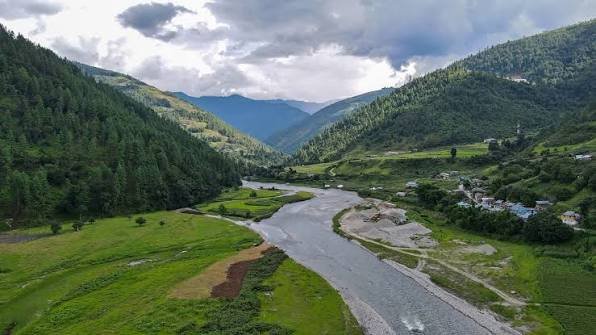
Four of the five Panch Kedar temples close each winter under heavy Himalayan snow — Kedarnath, Tungnath, Rudranath, and Madhyamaheshwar all shut down for months at a time. Kalpeshwar, tucked into Urgam Valley in Chamoli district, is the exception: the only one of the five sacred Shiva shrines accessible year-round, reached by a short, genuinely pleasant trek through apple orchards and terraced fields rather than a demanding multi-day climb. For pilgrims completing the Panch Kedar circuit or travellers simply looking for an easy, scenic detour off the Badrinath highway, Urgam Valley offers both spiritual significance and some of Chamoli’s most underrated village scenery.
Urgam Valley: Quick Facts
| Aspect | Details |
| Location | Chamoli district, Uttarakhand (Garhwal Himalayas) |
| Altitude | Approx. 2,100-2,200 metres (7,217 feet) |
| Distance from Helang | Approx. 12-14 km |
| Distance from Joshimath | Approx. 25-30 km |
| Distance from Rishikesh | Approx. 220-253 km (7-9 hours) |
| Key Attraction | Kalpeshwar Temple (5th and last of the Panch Kedar) |
| Trek from Urgam Village to Temple | Approx. 2-3 km, easy grade |
| Temple Timings | Aarti at 6:00 AM and 6:30 PM daily; closed 12 PM-4 PM |
| Best Time to Visit | April to June and September to November |
| Access | Year-round (unique among the five Panch Kedar temples) |
| Accommodation | Simple homestays and dharamshala; Joshimath and Auli offer fuller options nearby |
How to Reach Urgam Valley
Since Urgam sits just off the main Rishikesh-Badrinath highway, reaching it involves one clear turn-off followed by a short but winding local road.
- By Road from Rishikesh: Take NH-58 (the Rishikesh-Badrinath highway) toward Joshimath, covering approximately 220-253 km in 7-9 hours, depending on road conditions and stops.
- Reaching Helang: This small roadside village sits about 14 km before Joshimath and serves as the turn-off point for Urgam Valley; most Rishikesh-Joshimath buses and taxis stop here.
- Helang to Urgam Village: A motorable road covers this roughly 12-14 km stretch, narrow and winding with strong valley views; shared jeeps and local taxis are readily available from Helang, though a 4WD vehicle is recommended given the rough surface.
- Urgam to Kalpeshwar Temple: From Urgam village, only a short 2-3 km trek remains, a significant improvement over the historical 12 km trek pilgrims once had to complete on foot from Helang before the road was extended.
- By Public Transport: Buses from Delhi or Haridwar to Rishikesh, followed by a local bus or shared taxi to Helang and onward to Urgam, offer a budget-friendly route for those without a private vehicle.
Best Time to Visit Urgam Valley
Since Kalpeshwar is accessible throughout the year, unlike the other Panch Kedar temples, the “best time” here is more about comfort and scenery than accessibility.
- April to June (Spring/Early Summer): The most popular and recommended window, with clear skies, lush green trails, blooming rhododendrons, and comfortable temperatures between 10-20°C.
- September to November (Autumn): An equally strong alternative, offering clear valley views and pleasant conditions for both the trek and general sightseeing.
- July to September (Monsoon): The valley turns intensely lush and green, though the road from Helang can become slippery, making this a less comfortable window for the drive in.
- Winter (November-March): Cold but genuinely accessible, unlike the other Panch Kedar temples — a good option for pilgrims specifically wanting a quieter, less crowded winter darshan, with temperatures ranging roughly 0-10°C.
Things to Do in Urgam Valley
Beyond the temple itself, Urgam offers a handful of genuinely rewarding stops for those willing to spend a day exploring rather than rushing straight to darshan and back.
- Trek to Kalpeshwar Temple: The valley’s centrepiece experience, an easy 2-3 km walk through terraced fields, apple orchards, and traditional Garhwali houses, crossing the Kalpganga river via a suspension bridge before a brief stone-stepped ascent to the cave temple.
- Visit Boodha Kedar and Dhyan Badri Temples: Both located within Urgam village itself, these smaller shrines are worth a stop on the way to or from Kalpeshwar, adding depth to the pilgrimage circuit.
- Walk Through Urgam Village: Known for its local crops of pulses, beans, and potatoes, the village sits in a distinctive V-shaped valley formation, offering pleasant walks among terraced farmland and traditional homes.
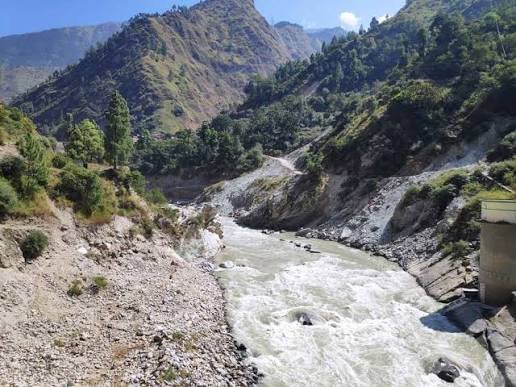
- Photograph the Kalpganga River and Apple Orchards: The trail’s natural scenery, especially in spring bloom, makes this one of the more visually rewarding short treks in the Chamoli region.
- Extend to Auli or Joshimath: Since Urgam sits within easy reach of both (roughly 25-30 km to Joshimath, 38-52 km to Auli), combining Kalpeshwar darshan with a broader Garhwal Himalaya itinerary is straightforward.
- Consider a Yoga or Meditation Retreat: A few small accommodations in the valley cater specifically to those seeking quiet reflection, given the area’s peaceful, forest-edge setting.
Kalpeshwar Within the Panch Kedar Circuit
For pilgrims planning to visit all five Panch Kedar temples, understanding where Kalpeshwar fits into the broader circuit helps with sequencing and logistics.
- The Fifth and Final Kedar: Kalpeshwar is traditionally visited last in the Panch Kedar pilgrimage, following Kedarnath, Tungnath, Rudranath, and Madhyamaheshwar.
- The Easiest of the Five: Given its short 2-3 km trek and year-round accessibility, Kalpeshwar is widely considered the least physically demanding of the five temples, making it a good final or even standalone stop.
- Combining with Rudranath: Serious pilgrims sometimes combine Kalpeshwar with the considerably more difficult Rudranath trek (either via the popular Sagar Village route or a harder Helang-via-Kalpeshwar route), extending the total trip to 7-9 days from Rishikesh.
- A Quick Half-Day Option: For those short on time, Kalpeshwar alone can be completed as a half-day trip from Joshimath — drive to Helang, continue to Urgam, trek to the temple, and return the same day.
- Timing Your Darshan: Since the temple closes between 12 PM and 4 PM, plan to arrive either for the 6 AM morning aarti or before the midday closure to avoid a frustrating wait.
FAQs
Q1. Is Kalpeshwar Temple really open year-round, or does it close during heavy winter snow like the others?
It genuinely remains accessible throughout the year, making it unique among the five Panch Kedar temples — while winter conditions are cold, the temple itself doesn’t close for the season the way Kedarnath, Tungnath, Rudranath, and Madhyamaheshwar do.
Q2. How difficult is the trek to Kalpeshwar compared to other Panch Kedar temples?
It’s considered the easiest by a significant margin — a short 2-3 km walk on a well-marked trail through orchards and terraced fields, compared to the considerably longer and more strenuous treks required for temples like Rudranath.
Q3. Can I visit Kalpeshwar Temple as a day trip from Joshimath, or should I plan an overnight stay in Urgam?
A day trip is entirely feasible and commonly done — drive from Joshimath to Helang, continue to Urgam, complete the short trek, and return the same day, though an overnight stay in Urgam offers a more relaxed pace if you also want to explore the village itself.
Q4. Is a 4WD vehicle necessary for the Helang-to-Urgam road, or will a regular car manage?
While a regular car can often manage the route, the road is narrow and winding, so a 4WD or a local jeep/shared taxi hired from Helang is generally recommended, especially during or shortly after monsoon when surface conditions can deteriorate.