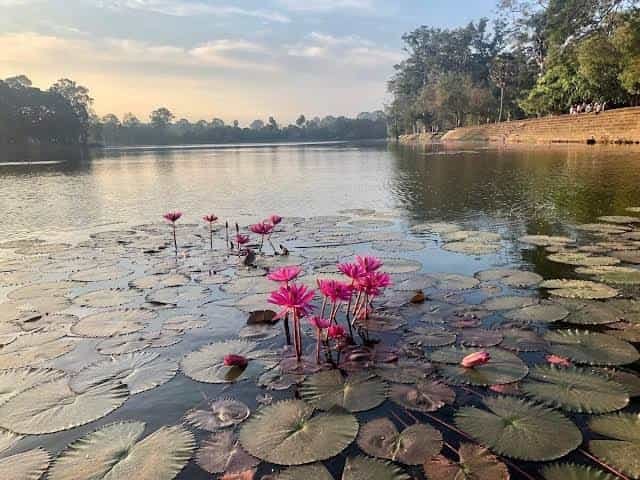
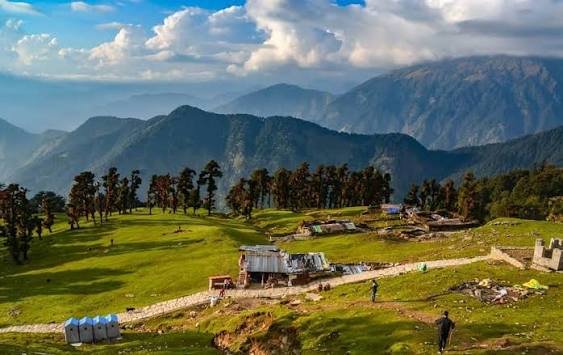
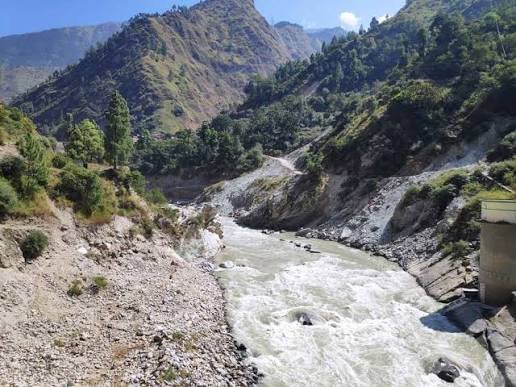
Kashmiri poets have long called it “Wadi-e-Lolab” — the land of love and beauty — and unlike many places that earn such titles through marketing, Lolab Valley genuinely lives up to it with fruit orchards, natural springs, rice fields, and pine forests spread across an oval basin in Kupwara district. Despite this, Lolab remains one of Kashmir’s most underdeveloped tourist destinations, with government intervention still limited and visitor numbers a fraction of what Pahalgam or Gulmarg see. For travellers willing to trade polish for genuine tranquility, that’s precisely the appeal.
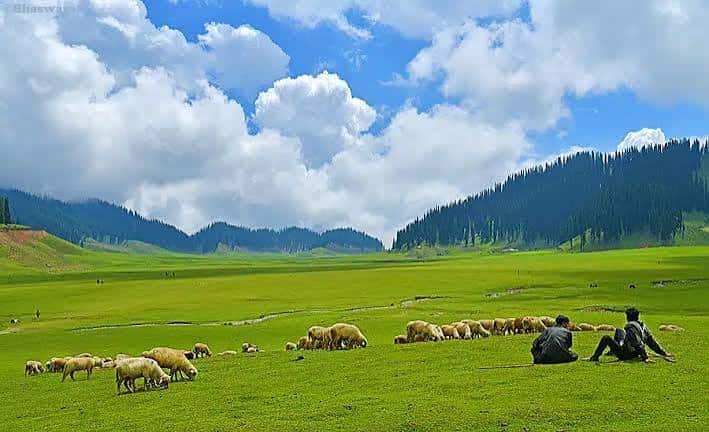
Lolab Valley: Quick Facts
| Aspect | Details |
| Location | Kupwara district, North Kashmir |
| Local Name | Wadi-e-Lolab |
| Composition | Three sub-valleys: Potnai, Brunai, Kalaroos |
| Headquarters | Sogam |
| Valley Dimensions | Approx. 24-26 km long, 3-5 km wide |
| Altitude | Approx. 2,300 metres |
| Distance from Srinagar | Approx. 114-130 km (4-5 hours) |
| Distance from Kupwara | Approx. 9 km |
| Nearest Airport | Sheikh ul-Alam International Airport, Srinagar (approx. 90-115 km) |
| Nearest Railway Station | Baramulla (approx. 64 km) |
| Entry Fee | Free |
| Best Time to Visit | April to June and September to October |
| Managed By | Lolab-Bungus-Drangyari Development Authority (LBDDA) |
| Accommodation | JKTDC huts and camping sites |
| Ideal Duration | 1-2 days |
How to Reach Lolab Valley
Lolab’s connectivity to Srinagar is decent given its remote character, though the drive itself takes real time and the final stretch requires patience.
- By Air: Sheikh ul-Alam International Airport in Srinagar is the nearest, roughly 90-115 km away, with a taxi or bus covering the onward journey.
- By Train: Baramulla is the closest railway station at approximately 64 km, followed by road transport to reach the valley.
- By Road from Srinagar: The standard route runs via Sopore and Kupwara, covering 114-130 km in 4-5 hours depending on traffic and stops.
- From Kupwara Town: The valley’s entrance sits just 1-9 km north or east of Kupwara, with well-paved internal roads connecting major villages like Sogam and Chandigam.
- Local Transport: Regular buses and taxis run from Srinagar toward Kupwara, and shared or private vehicles cover the final leg into the valley itself.
- A Future Shortcut: A road under construction from Bandipora to Lolab via Anderbugh and Nagmarg Meadows is expected to eventually cut the Srinagar-to-Lolab distance by roughly 50 km, though current travel plans should account for the existing longer route.
Best Time to Visit Lolab Valley
Thanks to its comparatively lower elevation relative to places like Gurez or Ladakh, Lolab enjoys a longer accessible season than many of Kashmir’s border valleys.
- April to June: The standout spring window, with vibrant wildflowers and fruit blossoms carpeting the valley, alongside pleasant temperatures of 15-25°C.
- September to October: An equally strong autumn window, when Chinar trees turn the valley into a sweep of gold and orange, offering some of the best photography conditions of the year.
- July to August: Generally milder but with occasional showers; late July and August specifically bring peak monsoon rainfall that can make forest trails and rural link roads muddy and difficult to navigate.
- December to February (Winter): Heavy snowfall transforms the valley into a genuinely magical white landscape, appealing to those specifically chasing a snow experience, though January and February should be avoided if seeing the orchards and forests is your priority, since snow restricts movement between scattered villages.
Things to Do in Lolab Valley
Lolab’s attractions are spread across its three constituent sub-valleys, rewarding those willing to explore rather than expecting a single central sight.
- Visit Anwar Shah Kashmiri Memorial Gate: A stone gate with two pillars near the valley’s entrance close to Kupwara, built as a tribute to the noted scholar, with a small park alongside the river ideal for a relaxed stroll and photography.
- Trek to Kalaroos Caves: One of the valley’s more adventurous stops, offering both a physical trek and a look at mysterious limestone caves associated with local legend.
- Walk to Zamindar Gali Pass: With permission, this trek offers distant views of Nanga Parbat, a genuinely rare sight for a Kashmir Valley destination.
- Visit Lavnag Spring: Located about 1 km from Lalpora village, near the resting place of saint Kashyap Reshi, this spring’s crystal-clear, three-foot-deep water is a peaceful stop for those interested in local spiritual heritage.
- Explore Gauri Spring: Another notable natural spring in the area, adding to Lolab’s reputation for pristine water sources.
- Walk Through Fruit Orchards and Rice Fields: The valley’s agricultural landscape, dotted with orchards and lush paddy fields, offers some of its most characteristic scenery, particularly vivid in spring and early autumn.
- Combine with Keran Valley: Just 41 km away, Keran’s border-area character makes for a natural extension to a Lolab trip for travellers with extra time and interest in the region’s border geography.
Lolab’s Three Valleys: Potnai, Brunai, and Kalaroos
Since Lolab isn’t a single homogeneous stretch but a combination of three distinct sub-valleys, understanding this structure helps plan a more thorough visit.
- Potnai Valley: One of the three constituent valleys forming Lolab, contributing to the broader region’s agricultural and scenic character.
- Brunai Valley: The second sub-valley, adding to Lolab’s overall span and offering its own pocket of village life and landscape.
- Kalaroos Valley: Named for its famous caves, this sub-valley draws the more adventure-inclined visitors specifically for its trekking and cave exploration appeal.
- Nagmarg Meadows: While not one of the three core sub-valleys, these meadows mark the geographic boundary separating Lolab from neighbouring Bandipora district, and factor into the upcoming shortcut road from Bandipora.
- Why This Matters for Planning: Since attractions are genuinely spread across these three areas rather than clustered in one spot, allowing at least a full day (ideally an overnight stay) gives a much fuller sense of the valley than a rushed few-hour visit.
FAQs
Q1. Is Lolab Valley developed enough for tourists, or should I expect very basic facilities?
Expect basic facilities — accommodation is limited mainly to JKTDC huts and camping sites, and government tourism development remains limited, so this suits travellers comfortable with simpler infrastructure rather than those expecting resort-level comfort.
Q2. Can I visit Lolab Valley as a day trip from Srinagar, or should I plan to stay overnight?
Given the 4-5 hour one-way drive, an overnight stay is strongly recommended to properly explore the valley’s spread-out attractions across its three sub-valleys, rather than spending most of the day simply travelling to and from Srinagar.
Q3. Is the Zamindar Gali Pass trek to see Nanga Parbat accessible to regular visitors, or does it require special permission?
Permission is required to walk up to Zamindar Gali Pass, so check with local authorities or your accommodation about current access requirements before planning this specific trek into your itinerary.
Q4. Should I visit Lolab Valley in spring or autumn if I can only choose one season?
Both offer strong but different experiences — spring (April-June) brings wildflowers and fruit blossoms, while autumn (September-October) offers golden Chinar foliage; choose spring if you prefer fresh greenery and blooms, or autumn if you’re specifically drawn to warm, golden landscape photography.