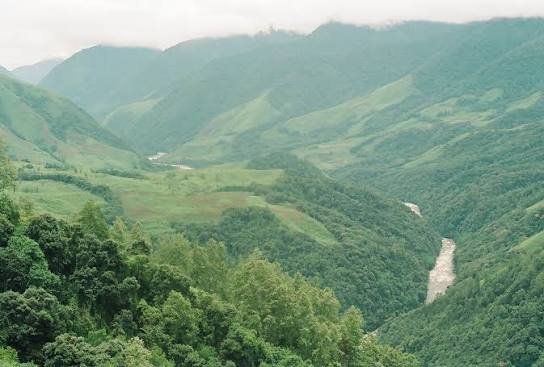
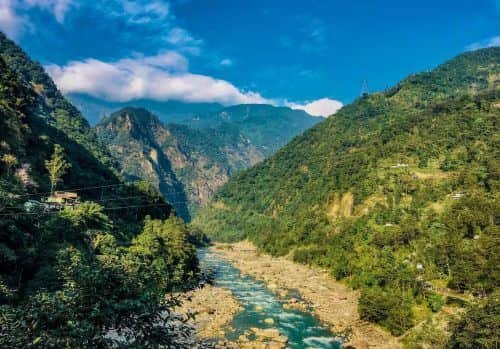
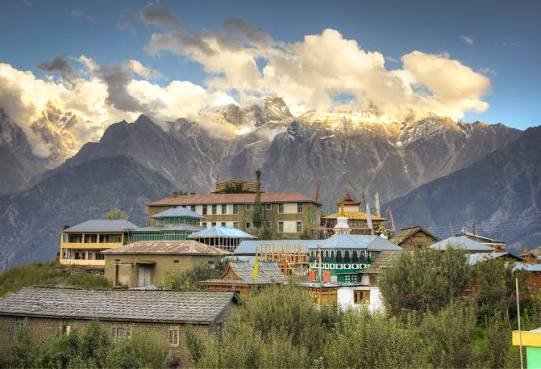
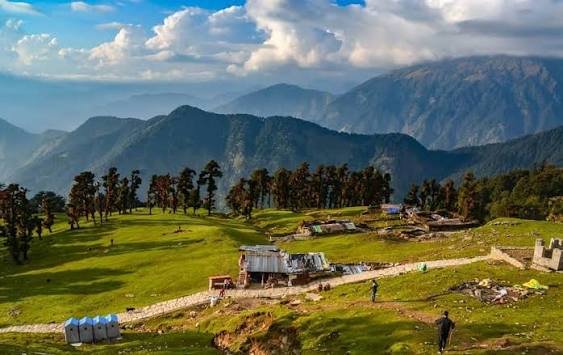
Legend holds that Lord Rama meditated at the summit above Chopta after his victory over Ravana, and today that same peak — Chandrashila — sits just beyond Tungnath, the highest Shiva temple in the world at roughly 3,680 metres. Nicknamed the “Mini Switzerland of Uttarakhand” for its rolling alpine meadows and dense rhododendron forests, Chopta has become the go-to base camp for one of the Garhwal Himalayas’ most accessible high-altitude treks — one that combines genuine mythology, a working temple, and 360-degree Himalayan views without demanding weeks of preparation.
Chopta Valley: Quick Facts
| Aspect | Details |
| Location | Rudraprayag district, Uttarakhand (part of Kedarnath Wildlife Sanctuary) |
| Nickname | “Mini Switzerland of Uttarakhand” |
| Altitude (Chopta base) | Approx. 2,900 metres (8,790 feet) |
| Tungnath Temple Altitude | Approx. 3,680 metres; highest Shiva temple in the world |
| Chandrashila Peak Altitude | Approx. 3,685-4,000 metres (12,110 feet) |
| Chopta to Tungnath Distance | Approx. 3.5-4 km one way (2.5-4 hours) |
| Tungnath to Chandrashila Distance | Approx. 1-1.5 km (steep, additional 1 hour) |
| Total Round-Trip Distance | Approx. 7-10 km |
| Trek Difficulty | Easy to moderate |
| Distance from Rishikesh | Approx. 160-210 km (6-9 hours) |
| Distance from Ukhimath | Approx. 29-30 km (1-1.5 hours) |
| Nearest Airport | Jolly Grant Airport, Dehradun (approx. 220-250 km) |
| Nearest Railway Station | Rishikesh |
| Best Time to Visit | April to June and September to November |
| Temple Winter Closure | Approx. November to March/April (deity moved to Ukhimath) |
Things to Do in Chopta Valley
Chopta’s appeal comes almost entirely from its trekking routes and the temple pilgrimage, alongside a genuinely rich birdwatching scene.
- Trek to Tungnath Temple: The core pilgrimage and trekking experience, following a well-paved stone path through rhododendron forests and open alpine meadows to reach the world’s highest Shiva shrine.
- Continue to Chandrashila Peak: A steeper additional climb beyond Tungnath, rewarding trekkers with 360-degree views of peaks including Nanda Devi, Trisul, Kedar Peak, Bandarpunch, and the Gangotri and Chaukhamba ranges.
- Visit Deoriatal Lake: A short trek from nearby Sari village, famous for its clear “mirror reflection” of the Chaukhamba peaks on calm mornings.
- Birdwatching in Chopta Meadows: With over 200 recorded bird species, the region is a genuine draw for serious birders, particularly in the forested stretches around the base camp.
- Camping at Chopta: Several campsites near the base offer overnight stays under clear mountain skies, popular for those wanting to catch an early morning start on the trek.
- Photograph the Alpine Meadows (Bugyals): The open grasslands along the trail are especially vivid in the post-monsoon months, making for some of the most striking Himalayan meadow photography in the region.
Best Time to Visit Chopta Valley
Since Tungnath temple itself closes for winter, timing your visit affects not just comfort but whether the temple is even accessible.
- April to June: A popular window, coinciding with the temple’s reopening after winter, pleasant trekking weather, and blooming rhododendrons along the trail.
- September to November: Considered by many the best stretch overall, with post-monsoon skies washed clean, giving the clearest possible Himalayan panoramas from Chandrashila.
- December to March: Tungnath temple closes for winter, with the deity moved down to Ukhimath; snow-covered scenery still draws some visitors, but the temple itself won’t be accessible during this stretch.
- July to August (Monsoon): Generally less recommended, since heavy rain can make the stone trekking path slippery and reduce mountain visibility significantly.
How to Reach Chopta Valley
Since Chopta has no railway or airport of its own, every visit starts with a road journey from either Rishikesh or Dehradun.
- By Air: Jolly Grant Airport in Dehradun is the nearest airport, roughly 220-250 km away, followed by a long road journey through Rudraprayag and Ukhimath.
- By Train: Rishikesh is the closest major railway station, well-connected to Delhi and other cities, from where taxis and buses continue toward Chopta.
- By Road from Rishikesh: The standard route runs via Devprayag, Srinagar, Rudraprayag, and Ukhimath, covering roughly 160-210 km in 6-9 hours depending on road conditions and stops.
- From Ukhimath: The final and shortest stretch, about 29-30 km, taking just over an hour and serving as the practical last stop before reaching Chopta itself.
- By Bus: UTC or GMOU buses run from Rishikesh ISBT toward Ukhimath, after which a shared taxi covers the remaining distance to Chopta, since no direct bus service exists for the full route.
Practical Tips for Visiting Chopta Valley
A few details make the trek and overall trip noticeably smoother.
- Start the Tungnath-Chandrashila trek early in the morning, since afternoon weather at this altitude can shift quickly, and descending in daylight is far safer.
- Carry warm layers regardless of season, since temperatures at Chopta and along the trek drop sharply once the sun sets or clouds roll in.
- Confirm Tungnath temple’s seasonal opening dates before planning a spring visit, since exact reopening can shift slightly year to year based on weather.
- Book camping or guesthouse accommodation in advance during peak trekking months (May-June and October), since Chopta’s limited stay options fill up quickly on weekends.
- Wear proper trekking shoes, since the stone path, while well-maintained, can still be uneven and slippery in wet conditions.
FAQs
Q1. Is the Chopta-Tungnath-Chandrashila trek suitable for beginners with no prior trekking experience?
Yes, it’s generally rated easy to moderate and follows a well-paved stone path for most of the way, making it manageable for reasonably fit beginners, though the final stretch to Chandrashila is steeper and requires more effort.
Q2. Can I visit Tungnath temple during winter, or does it stay open year-round?
No, the temple closes roughly from November to March/April, with the deity relocated to Ukhimath during this period, so winter visitors can enjoy the snow-covered scenery but won’t be able to visit the temple itself.
Q3. How much time should I realistically plan for the full Chopta trip, including travel from Rishikesh?
Most itineraries need at least 3 days: one day for travel to Chopta, one full day for the Tungnath-Chandrashila trek, and one day for the return journey, with an extra day added if you want to include Deoriatal Lake.
Q4. Is it necessary to hire a guide for the Tungnath-Chandrashila trek, or can it be done independently?
The route is well-marked and heavily used by pilgrims and trekkers alike, so it’s commonly done independently without a guide, though hiring local support can still help with pacing and altitude-related advice for less experienced trekkers.