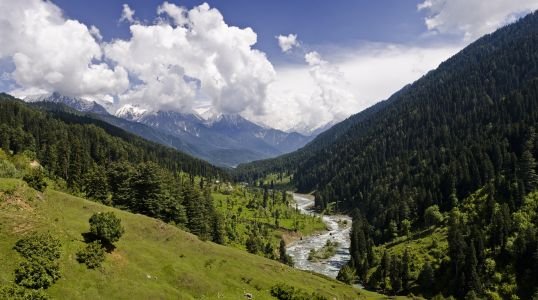
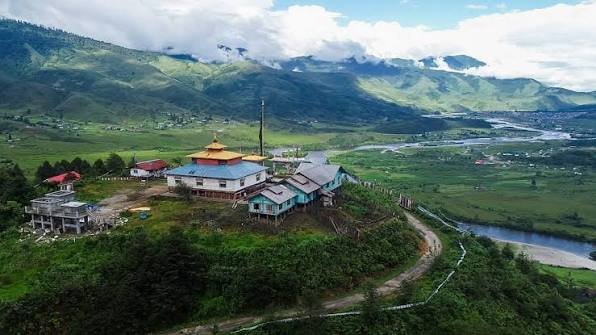
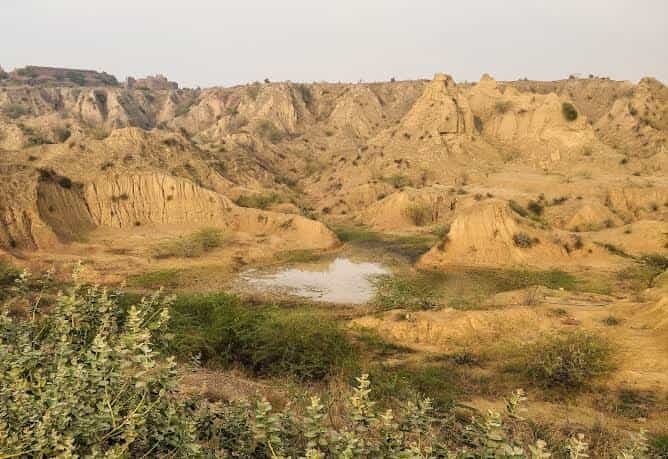
Roughly 80 km from Pune, in the Mulshi taluka stretch of the Western Ghats, a rocky riverbed trail leads to something genuinely unusual for the Sahyadris — a naturally forming infinity pool that holds water through the entire year and swells dramatically during monsoon. Ekole Valley has quietly become one of the region’s favourite weekend adventure spots for exactly this reason, pairing the Lotus Waterfall’s three-tiered cascade with cliff-jumping, camping, and trekking that still feels genuinely offbeat compared to more crowded Sahyadri destinations near Lonavala.
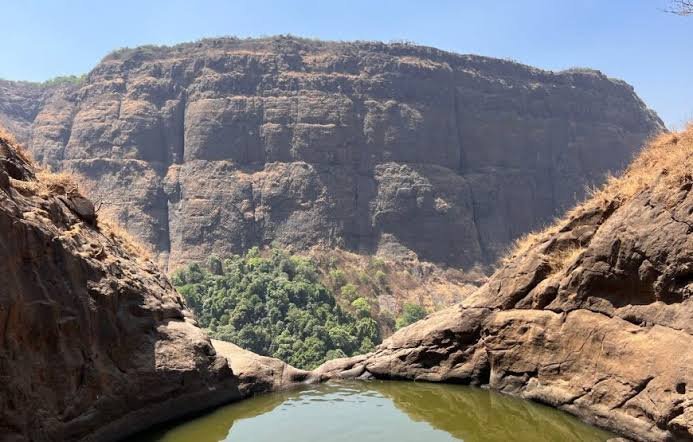
Ekole Valley: Quick Facts
| Aspect | Details |
| Location | Mulshi taluka, Pune district, Maharashtra (Sahyadri/Western Ghats) |
| Nearby Village | Ekole (elevation approx. 362 metres) |
| Distance from Pune | Approx. 80 km |
| Distance from Mumbai | Approx. 100 km |
| Access Route | Via Mulshi or Lonavala |
| Trailhead | Bhorambi Trail Start Point / Tail Baila |
| Main Attractions | Lotus Waterfall (Bhorambi waterfall), Ekole Kund (natural infinity pool) |
| Ekole Kund Water Availability | Year-round; floods further during monsoon |
| Best Time to Visit | June to September (monsoon, for full waterfall flow) |
| Trek Difficulty | Moderate; involves a rocky riverbed trail |
| Activities | Trekking, camping, cliff jumping, bonfire nights, birding |
| Ideal Visit Duration | Day trip or overnight camping trip |
Things to Do in Ekole Valley
Ekole Valley’s appeal lies almost entirely in its combination of water-based adventure and quiet camping, rather than any built attraction.
- Trek to Lotus Waterfall: The valley’s centrepiece, reached via an exhilarating trail through a rocky riverbed, culminating in a massive pond fed by a waterfall cascading in three distinct layers.
- Visit Ekole Kund: A naturally forming infinity pool that holds water throughout the year, set against lush, biodiverse surroundings home to a range of birds and plants.
- Try Cliff Jumping: A popular adventure activity at Ekole Kund for those comfortable with the height and confident in open-water conditions.
- Camp Overnight: Several organized tours run overnight camping trips near the waterfall, typically including tents, bonfires, and adventure games as part of the package.
- Go Birdwatching: The valley’s dense, biodiverse forest cover makes it a rewarding stop for casual birders, particularly during quieter early morning hours.
- Stargaze: With minimal light pollution this far from Pune and Mumbai, clear nights at the campsite offer good visibility for stargazing.
- Combine with Nearby Trails: Sudhagad Trail, the Plus Valley Waterfall Trek, and Tamhini Wildlife Sanctuary all sit within reach for those wanting to extend their Sahyadri exploration beyond a single day.
Best Time to Visit Ekole Valley
Since Ekole Valley’s biggest draws are water-dependent, the season significantly shapes what you’ll actually experience.
- June to September (Monsoon): The strongest window for both the Lotus Waterfall and Ekole Kund, as heavy rainfall swells the pool and intensifies the waterfall’s three-tiered cascade into its most dramatic form.
- Post-Monsoon (October): Still a good period, with water levels remaining reasonably strong and trails less slippery than during peak monsoon.
- Year-Round Accessibility: Since Ekole Kund holds water throughout the year, the valley remains visitable outside monsoon too, though the waterfall and pool will appear noticeably less dramatic in drier months.
- Weekday Visits: Given the valley’s rising popularity among Pune and Mumbai weekend trekkers, visiting on a weekday offers a quieter, less crowded experience of the trail and pool.
How to Reach Ekole Valley
Ekole Valley’s proximity to both Pune and Mumbai makes it accessible as a day trip or a short overnight getaway.
- From Pune: The shorter approach at roughly 80 km, typically reached via Mulshi, taking around 2-2.5 hours by road depending on traffic and route conditions.
- From Mumbai: A slightly longer journey of approximately 100 km, commonly routed via Lonavala before continuing toward the Ekole/Tail Baila area.
- Trailhead Access: The Bhorambi Trail Start Point serves as the main entry to the trek, reachable by bus, taxi, cab, or private vehicle from either direction.
- Organized Tour Pickups: Several Pune- and Mumbai-based adventure operators run scheduled treks with fixed pickup points (such as Andheri East or Bandra in Mumbai), often departing late at night to reach the campsite by early morning.
- Self-Drive Consideration: While a private vehicle offers more flexibility, the approach roads through Mulshi can be narrow in stretches, so a reasonably sturdy vehicle is preferable, especially during monsoon.
Trekking Options: Day Trip vs Overnight Camping
Since Ekole Valley trips are typically run either as single-day outings or overnight camping experiences, understanding the difference helps in choosing the right option for your schedule.
- Day Trip: Suited to those with limited time, covering the trek to the waterfall and pool, some time for cliff jumping or swimming, and a return the same day — generally a full day given the roughly 80-100 km travel distance involved.
- Overnight Camping: The more popular option among organized tour groups, typically involving a late-night departure from Pune or Mumbai, arrival at the campsite around midnight, tent accommodation, and a full day of trekking and waterfall activities the following day before returning.
- Group vs Independent Trekking: Since the trail runs through a rocky riverbed and isn’t always clearly marked, joining an organized group with local guides is generally safer and more straightforward than attempting the trek independently, particularly for first-time visitors.
- What to Carry: Given the trek’s adventure element and limited on-site facilities, sturdy trekking shoes, a change of clothes for swimming or cliff jumping, and basic camping essentials (if staying overnight) are worth planning for in advance.
FAQs
Q1. Is Ekole Valley suitable for beginners, or does the trek require prior experience?
The trek is considered moderately challenging due to the rocky riverbed trail, so while not requiring advanced trekking skills, reasonable fitness and sturdy footwear are genuinely necessary, and joining an organized group is advisable for first-timers.
Q2. Is cliff jumping at Ekole Kund safe, and should I attempt it without prior experience?
Cliff jumping carries inherent risk regardless of location, so it’s best attempted only if you’re a confident swimmer comfortable with heights, ideally under the guidance of an experienced trek leader or organized tour rather than independently.
Q3. Can I visit Ekole Valley outside monsoon season, or is the waterfall not worth seeing then?
Since Ekole Kund holds water year-round, the valley remains visitable outside monsoon, though both the pool and Lotus Waterfall will appear noticeably calmer and less dramatic compared to the June-to-September peak.
Q4. Is it better to do Ekole Valley as a day trip or join an overnight camping tour?
It depends on your schedule and preference — a day trip works if you’re short on time and mainly want to see the waterfall and pool, while an overnight camping tour offers a fuller experience with bonfires, stargazing, and more relaxed time at the site, though it requires a full weekend commitment.