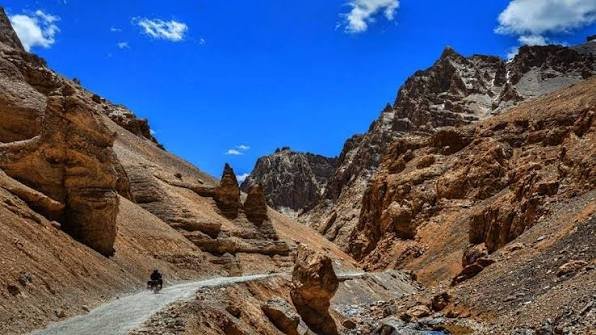
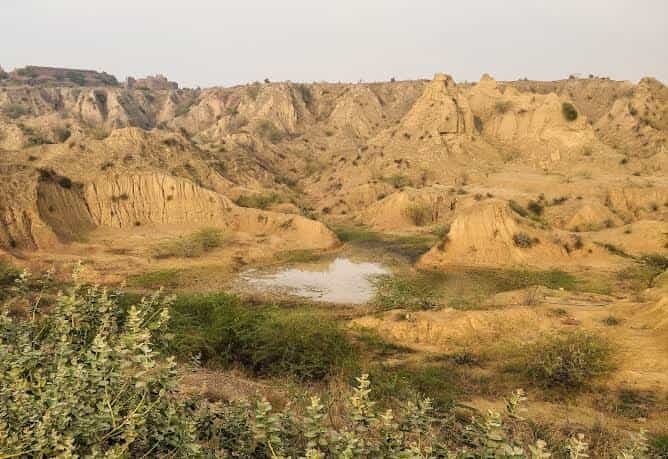
For much of the 20th century, the ravine-scarred badlands along the Chambal River were synonymous with one thing: dacoits. Names like Man Singh and, later, Phoolan Devi turned this tri-state stretch of Madhya Pradesh, Rajasthan, and Uttar Pradesh into India’s most notorious “bandit country,” its labyrinth of eroded gorges providing perfect cover for outlaws evading the law. Today, that same terrain protects something far rarer than any fugitive ever hid here — one of the world’s last strongholds of the critically endangered gharial, alongside the endangered Ganges river dolphin, in a river so unpolluted it’s regularly cited as one of India’s cleanest.
Chambal Valley: Quick Facts
| Aspect | Details |
| Location | Tri-state protected area (Madhya Pradesh, Rajasthan, Uttar Pradesh) |
| Established | 1978-1979 |
| Area | Approx. 5,400 sq km |
| Headquarters | Morena, Madhya Pradesh |
| Key Species | Gharial (critically endangered), Ganges river dolphin (endangered), red-crowned roof turtle, mugger crocodile |
| Bird Species | Over 316 recorded (migratory and resident) |
| Terrain | Ravines, hills, sandy beaches (Kathiar-Gir dry deciduous forest ecoregion) |
| Best Time to Visit | November to March |
| Sanctuary Closed | July to September (monsoon breeding season) |
| Distance from Gwalior | Approx. 145-195 km |
| Distance from Agra | Approx. 70-188 km (access point dependent) |
| Access Points | Morena/Bah (MP), Dholpur (Rajasthan), Etawah/Bah (UP) |
Wildlife and River Safaris
Chambal’s entire tourism identity is built around its boat safaris, offering one of India’s most distinctive river-based wildlife experiences.
- Spot the Critically Endangered Gharial: The sanctuary’s flagship species, this fish-eating crocodile with its distinctive elongated snout is found here in one of its last significant wild populations.
- Watch for Ganges River Dolphins: India’s national aquatic animal occasionally surfaces during boat safaris, though sightings require patience and aren’t guaranteed on every trip.
- See Mugger Crocodiles and Red-Crowned Roof Turtles: Alongside the gharial, these species share the river’s sandy banks and calm waters, all protected under the sanctuary’s conservation mandate.
- Birdwatch Along the River: With over 316 recorded species including the Indian Skimmer and Eurasian Spoonbill, Chambal ranks among India’s more significant riverine birding destinations.
- Take a Motor Boat Safari: Boats with drivers and official guides are hired by the hour or by track length at various access points, gliding past sandy beaches and ravine backdrops.
- Best Timing for Sightings: Morning safaris, particularly before noon, offer significantly better chances of spotting crocodiles and gharials basking on the riverbanks before the day heats up.
- Spot Additional Wildlife: Beyond the river’s aquatic species, the surrounding ravine terrain supports chinkara, nilgai, sambar, wolf, and wild boar for those interested in the broader ecosystem.
Best Time to Visit Chambal Valley
Given the sanctuary’s seasonal closure and the wildlife’s activity patterns, timing significantly affects both accessibility and what you’ll actually see.
- November to March: Universally recommended across sources, offering pleasant temperatures, peak migratory bird activity, and the best conditions for spotting gharials and crocodiles basking along the banks.
- October and April: Reasonable shoulder-season options, with the sanctuary open and weather still manageable, though less consistently comfortable than the core winter window.
- July to September (Closed): The sanctuary shuts entirely during this stretch, coinciding with the monsoon and the gharial’s breeding season, when disturbance to nesting sites is strictly avoided.
- Summer (May-June): Technically open in some years, but extreme heat makes river safaris considerably less comfortable, and wildlife activity drops during the hottest hours.
How to Reach Chambal Valley
Since the sanctuary spans three states, several access points exist, and your best route depends on which stretch of the river you’re visiting.
- By Air: Gwalior Airport (roughly 145-195 km from various points) and Agra Airport (roughly 70-188 km depending on access point) are the two nearest, both connected to major Indian cities.
- By Train: Gwalior, Agra Cantt, and Agra Fort railway stations serve as the main rail gateways, with Morena also offering local connectivity for those approaching from the Madhya Pradesh side.
- By Road from Gwalior (MP Access): Head toward Morena (roughly 12-30 km from the river), the sanctuary’s administrative headquarters, then continue to the riverside access points.
- By Road from Agra (UP/Rajasthan Access): Bah, a common access point, sits only about 3 km from the river in some route descriptions, making this one of the more convenient approaches if coming from Agra.
- By Road from Delhi: Many travellers drive via the Agra Expressway, treating a Chambal safari as an extension of an Agra or Taj Mahal trip rather than a standalone destination.
- Choosing Your Access Point: Since boat safaris operate from multiple entry points across Agra, Dholpur, Kota, and the Madhya Pradesh side near Morena, it’s worth confirming which access point best suits your overall itinerary before booking.
From Bandit Country to Conservation Success
Understanding Chambal’s transformation from feared badlands to protected wildlife sanctuary adds genuine depth to a visit here.
- A Landscape Built for Hiding: The Chambal ravines’ maze-like terrain, carved by centuries of erosion, made this stretch of the river genuinely ideal for the dacoit gangs that operated here through much of the 20th century, most famously through the 1970s and 80s.
- A Notorious Reputation: Figures like Phoolan Devi, later a Member of Parliament, and Man Singh became infamous partly because this terrain let them evade capture for years at a time.
- The Same Isolation Protected Wildlife: Ironically, the very inaccessibility that sheltered outlaws also kept the Chambal River relatively free from the pollution and development that has devastated gharial populations elsewhere in India.
- Conservation Recognition: Declared a sanctuary in 1978-79 and protected under India’s Wildlife Protection Act, Chambal now stands as one of the most important conservation zones for critically endangered riverine species in the country.
- A River Worth Protecting Further: Despite this progress, parts of the sanctuary still face threats from illegal sand mining, underscoring that Chambal’s conservation story, while remarkable, remains an ongoing effort rather than a finished success.
FAQs
Q1. Is Chambal Valley safe to visit today, given its history of dacoit activity?
Yes — the region has been considerably more stable for decades, and organized wildlife tourism with official guides and boats operates regularly at established access points, making a Chambal safari a standard, well-managed activity rather than any kind of risky venture.
Q2. Am I guaranteed to see a gharial or river dolphin on a Chambal boat safari?
Not guaranteed, though chances are reasonably good, especially on a morning safari before noon during peak season (November-March); dolphins in particular can be elusive and aren’t spotted on every trip, so patience and a bit of luck play a role.
Q3. Which access point should I choose: Agra/Bah, Dholpur, or the Morena side in Madhya Pradesh?
It largely depends on your broader itinerary — Agra-side access (via Bah) works well if you’re combining the trip with a Taj Mahal visit, while the Morena/Gwalior approach suits travellers already exploring Madhya Pradesh, and Dholpur or Kota offer additional Rajasthan-side options.
Q4. Why is the sanctuary closed from July to September, and can I visit at all during that period?
The closure coincides with monsoon season and the gharial’s breeding period, when minimizing disturbance to nesting sites is a conservation priority, so regular boat safaris simply aren’t available during these months — plan your visit for the November-to-March window instead.