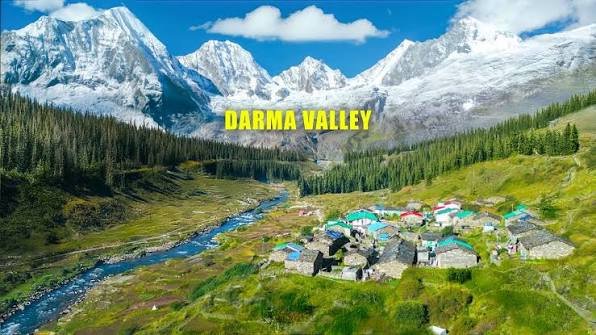
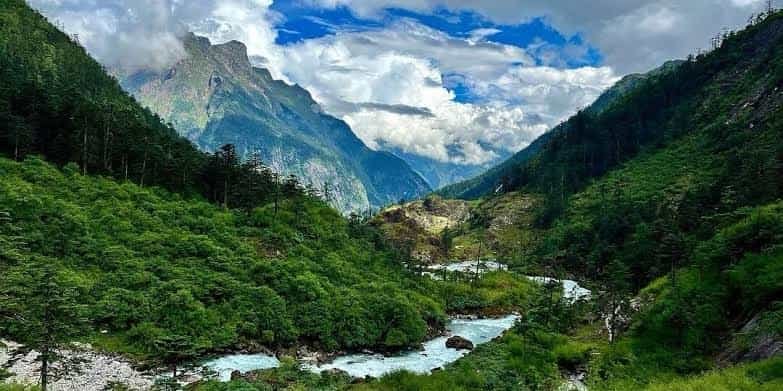
Cross the village of Hanu on the road west from Leh, and the landscape shifts as dramatically as the people do — barren Ladakhi mountains give way to buckwheat fields, walnut and apricot orchards, and even small vineyards, tended by a community with high cheekbones, sharp Indo-European features, and traditions found nowhere else in the region. This is the Aryan Valley, home to the Brokpa (or Drokpa) people, often called the “last Aryans of India,” settled in villages like Dah, Hanu, Garkone, and Darchik along the Indus River. Genuinely one of Ladakh’s most distinctive cultural detours, it remains far less visited than Nubra or Pangong, in part because reaching it still requires real commitment.
Aryan Valley: Quick Facts
| Aspect | Details |
| Location | Western Ladakh, along the Indus River, Leh district |
| Key Villages | Dah, Hanu (Yokma and Goma), Garkone, Darchik |
| Local Community | Brokpa/Drokpa people (Dard ethnicity) |
| Altitude | Approx. 2,700 metres (9,000 feet) |
| Distance from Leh | Approx. 160-190 km (5-6 hours, source-dependent) |
| Distance from Kargil | Approx. 80-170 km via Batalik road |
| Permit | Inner Line Permit generally required; rules vary by route and have shifted since UT formation |
| Accommodation | No hotels; tented camps and homestays only |
| Dining | No restaurants; carry your own food, small shops for snacks |
| Best Time to Visit | May to September |
| Ideal Trip Duration | 2 days (1 overnight minimum recommended) |
Permits and How to Reach Aryan Valley
Since Aryan Valley sits in a sensitive border-adjacent stretch of western Ladakh, both the permit situation and the journey itself require careful planning.
- Permit Requirement: An Inner Line Permit is generally needed if approaching from Leh, though reports vary — some travellers note visiting Garkon from the Kargil side without a permit, reflecting ongoing ambiguity since Ladakh became a Union Territory; always confirm current requirements with a Leh-based operator before travelling.
- From Leh: The route runs through Nimmu, Khaltse, Skurbuchan, Achinathang, and Hanuthang before reaching Hanu, Biama, and Dah — a distance realistically ranging 160-190 km depending on the exact village, taking 5-6 hours with normal stops.
- From Kargil: An alternative approach via the Batalik road, covering roughly 80-170 km depending on source and destination village, passing through Suru Valley along the way.
- Military Checkpost: About 2 km beyond Hanu Thang, a checkpost verifies identity documents and permits before allowing vehicles through, occasionally including a vehicle check.
- Public Transport Option: Morning buses run six days a week from Leh’s bus stand to Dah, passing through Nimmu, Khaltse, Domkhar, Skurbuchan, Achinathang, Hanuthang, and Bima — a budget alternative to hiring a private taxi.
- Acclimatization First: Given Leh’s own high altitude, keep at least 48 hours in town before attempting this long western drive, reducing fatigue and altitude-related discomfort on an already demanding journey.
Best Time to Visit Aryan Valley
Given the valley’s relatively lower altitude compared to much of Ladakh, its accessible season is somewhat more forgiving, though winter still brings genuine challenges.
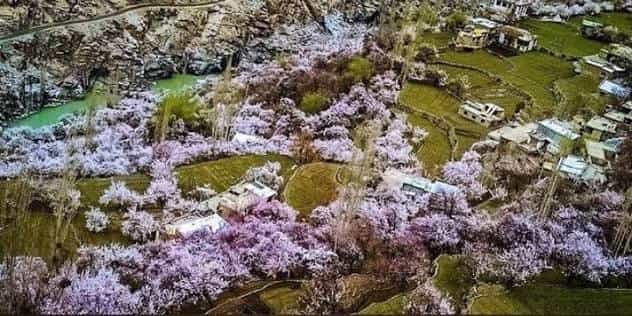
- May to September: The recommended window, with mild weather, blooming apricot orchards, and the valley at its greenest — ideal conditions for village walks, photography, and general exploration.
- June to August: Peak season within this window, offering the clearest roads and most stable weather for the long drive from Leh.
- September: A quieter alternative still within the good-weather window, with harvest activity adding another dimension to village visits.
- November to March (Winter): Conditions turn harsh with heavy snowfall, though this offers a genuinely different, serene view of the valley for well-prepared travellers specifically seeking a snow-covered landscape.
Things to Do in Aryan Valley: Choosing Between the Villages
Since Dah, Hanu, Garkone, and Darchik each offer a distinct experience, understanding the differences helps shape a worthwhile visit.
- Explore Dah Village: The most commonly visited of the Aryan villages, offering a relatively accessible introduction to Brokpa architecture, traditional dress, and daily life.
- Visit Hanu (Yokma and Goma): Reached via an uphill diversion from Hanuthang, Hanu feels noticeably quieter than Dah, making it the better choice for travellers wanting a slower, less crowded village stop.
- Walk Through Farms and Orchards: The valley’s unusual fertility — buckwheat, barley, millet fields alongside walnut, apricot, apple, and even grape orchards — stands in striking contrast to Ladakh’s typically barren terrain.
- Observe Traditional Brokpa Attire and Ornamentation: The community’s distinctive dress, including elaborate floral headgear worn during festivals, reflects a cultural identity markedly different from central Ladakhi traditions.
- Learn About the Brokpa’s Mixed Belief System: The villages include both Buddhist and Muslim populations alongside an older animist pantheon of local deities, offering genuine insight into a layered religious history.
- Photograph the Indus River Confluence: The area around Dah and Hanu, near where the Shyok and Indus rivers meet, offers some of the most visually striking landscape shots in the region.
- Stay Overnight in a Homestay or Tented Camp: Since there are no hotels, an overnight stay through local homestay arrangements offers the most authentic and comfortable way to experience village life beyond a rushed day visit.
Responsible Travel in Aryan Valley
Given the Brokpa community’s relatively recent and still-limited exposure to tourism, a few considerations matter more here than at more developed Ladakh destinations.
- Ask Before Photographing People: The Brokpa community’s distinctive appearance and dress naturally draw photographic interest, but always ask permission before photographing individuals rather than treating villagers as a spectacle.
- Carry Your Own Food: With no restaurants in the villages, bring sufficient food for your stay, supplementing with snacks from small local shops rather than expecting full meal service.
- Book Homestays Through Local Contacts: Since formal accommodation infrastructure doesn’t exist, arranging a homestay in advance, ideally through a Leh-based operator familiar with the community, ensures a smoother and more respectful visit.
- Engage Genuinely, Not Just Transactionally: Given the valley’s relatively low visitor numbers compared to Nubra or Pangong, a slower, more conversational approach to village visits tends to be far more rewarding than a rushed photo-stop mentality.
- Verify Permit Status Before Travelling: Since rules have shifted since Ladakh’s Union Territory formation and vary somewhat by route, confirm current permit requirements directly with local authorities or a trusted Leh operator rather than relying on outdated information.
FAQs
Q1. Is a day trip to Aryan Valley from Leh realistic, or should I plan to stay overnight?
While a day trip is technically possible, most experienced visitors strongly recommend at least one overnight stay, since the roughly 5-6 hour one-way drive leaves little time to genuinely experience village life if you’re rushing back to Leh the same day.
Q2. Do I definitely need a permit to visit Dah and Hanu, or does this depend on which route I take?
Requirements can vary — an Inner Line Permit is generally needed approaching from Leh, though some travellers report visiting certain villages like Garkon from the Kargil side without one, so it’s essential to verify current rules with a Leh-based operator specifically for your planned route before departure.
Q3. Which village should I prioritize if I only have time to visit one: Dah or Hanu?
Dah is the more commonly visited and slightly more accessible option, while Hanu offers a quieter, less crowded experience — choose Dah if you want an easier introduction, or Hanu if you specifically want to avoid other tourists.
Q4. Since there are no hotels, how do I arrange accommodation in Aryan Valley?
Accommodation runs entirely through tented camps and local homestays, so arranging this in advance, ideally through a Leh-based tour operator with existing community connections, is far more reliable than expecting to find a place to stay upon arrival.