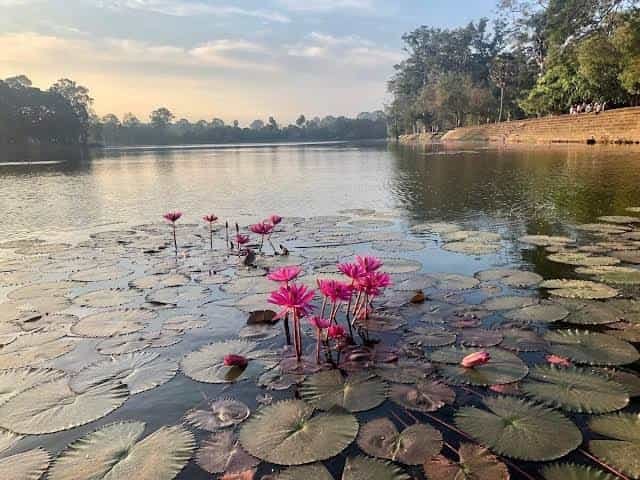
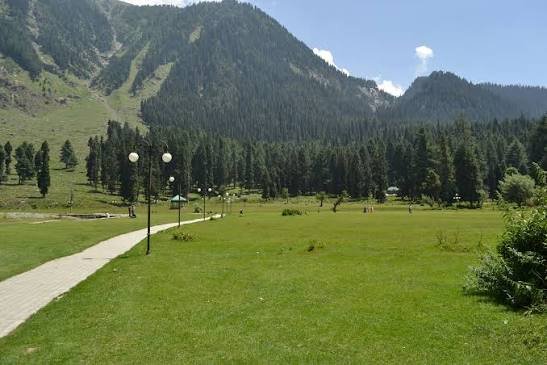
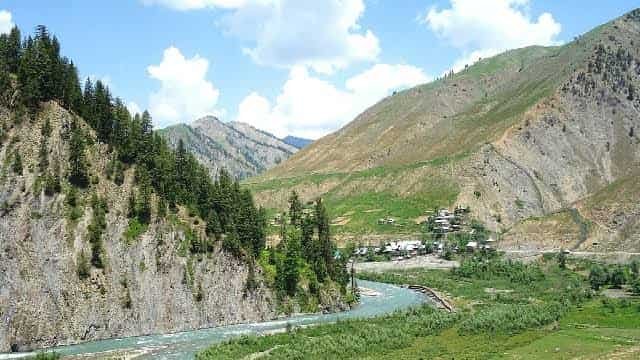
Dal Lake’s houseboats have been welcoming visitors for over a century, and even after a difficult stretch following the April 2025 Pahalgam attack, Kashmir Valley’s tourism has rebounded strongly — with record-level infrastructure investment, enhanced security across major circuits, and tourist numbers climbing back toward pre-attack highs through 2026. Srinagar’s Mughal gardens, Gulmarg’s ski slopes and gondola, Pahalgam’s river valleys, and Sonamarg’s glacier views remain as much a draw as ever, making Kashmir Valley one of India’s most visited and most enduringly beautiful Himalayan destinations, provided travellers plan sensibly and stay updated on current ground conditions.
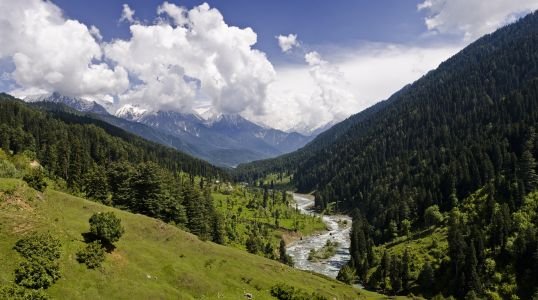
Kashmir Valley: Quick Facts
| Aspect | Details |
| Location | Jammu and Kashmir, Indian Himalayas |
| Main Hubs | Srinagar, Gulmarg, Pahalgam, Sonamarg |
| Nearest Airport | Sheikh ul-Alam International Airport, Srinagar |
| Best Time to Visit (General) | April to October |
| Best Time for Snow/Skiing | December to February (Gulmarg) |
| Best Time for Tulips | March to April (Srinagar’s Tulip Garden) |
| Best Time for Trekking | June to September |
| Best Time for Autumn Colours | October to November |
| Current Security Status (2026) | Main tourist circuit operational with enhanced security; some specific sites subject to periodic review |
| Recommended Trip Duration | 5-7 days for Srinagar, Gulmarg, Pahalgam, and Sonamarg |
| Permits | Not required for Indian nationals in the core Kashmir Valley circuit |
| Known For | Houseboats, Mughal gardens, skiing, alpine meadows, shikara rides |
Best Time to Visit Kashmir Valley
Kashmir’s appeal shifts dramatically by season, so the right time depends heavily on what experience you’re after.
- March to May (Spring): Ideal for tulip blooms at Asia’s largest tulip garden in Srinagar, melting snow on lower passes, and comfortable temperatures around 8-22°C.
- June to September (Summer): The peak season for sightseeing and trekking, with routes like Kashmir Great Lakes and Warwan Valley operating exclusively in this window; Srinagar temperatures typically range 25-35°C.
- October to November (Autumn): Known for golden valleys and cooler, crisper weather, popular with photographers and those wanting to avoid peak-season crowds.
- December to February (Winter): The prime window for snow lovers, with Gulmarg offering world-class skiing and snowboarding, though higher-altitude areas like parts of Sonamarg may see limited access.
- July-August Note: This period coincides with the Amarnath Yatra, which brings traffic restrictions and convoy movement rules on key highways, so factor in potential delays if travelling during these months.
Things to Do in Kashmir Valley
Each of Kashmir’s major hubs offers a genuinely distinct experience, making a multi-stop itinerary the standard approach for most visitors.
- Srinagar — Dal Lake and Houseboats: Take a shikara ride across Dal Lake, stay overnight in a traditional houseboat, and visit the Mughal gardens (Nishat, Shalimar, and Chashme Shahi).
- Srinagar — Tulip Garden: Asia’s largest tulip garden blooms each spring, drawing photographers and families during its short flowering window.
- Gulmarg — Gondola and Skiing: Ride the Gulmarg Gondola, one of the highest cable cars in the world, and enjoy skiing or snowboarding during winter months.
- Pahalgam — River Valleys: Explore the Lidder River valley, with day trips to Betaab Valley and Aru Valley, both currently open with enhanced security (note: some specific sites like Baisaran meadow have seen shifting access status and should be verified separately before planning).
- Sonamarg — Glaciers and Meadows: Known as the “Meadow of Gold,” Sonamarg serves as a base for glacier views and treks toward higher alpine lakes.
- Trekking: Summer months open up routes like the Kashmir Great Lakes trek and Tulian Lake, appealing to more adventurous travellers.
- Local Cuisine and Handicrafts: Sample Kashmiri wazwan cuisine and shop for Pashmina shawls, walnut wood carvings, and saffron in Srinagar’s markets.
How to Reach Kashmir Valley
Kashmir Valley is well-connected by air and road, making it accessible from most major Indian cities.
- By Air: Sheikh ul-Alam International Airport in Srinagar is the primary gateway, with regular flights from Delhi, Mumbai, Bengaluru, and other major cities.
- By Road: The Jammu-Srinagar highway (NH44) is the main road route, typically covered over 1-2 days with an overnight stop in Jammu or Banihal.
- By Train: Trains run to Jammu Tawi, the nearest major railhead, from where road travel continues to Srinagar (approximately 8-9 hours); the Kashmir rail network within the valley itself connects Srinagar with Baramulla and other local stations.
- Within the Valley: Local taxis, tourist buses, and hired vehicles connect Srinagar to Gulmarg (approx. 50 km), Pahalgam (approx. 90-95 km), and Sonamarg (approx. 80 km), each typically a 2-3 hour drive.
- Local Transport Rules: For certain routes within Pahalgam (such as Betaab Valley and Aru Valley), only local union taxis are permitted, so plan to switch vehicles at the relevant town.
Practical Tips for Visiting Kashmir Valley
Given the region’s evolving security landscape, a few precautions matter more here than at most Indian destinations.
- Check current conditions for specific attractions before finalizing your itinerary, since some individual sites can be subject to temporary closures or security reviews even while the broader circuit remains open.
- Book verified hotels and registered transport rather than informal, on-the-spot arrangements, particularly for isolated or offbeat routes.
- Avoid late-night travel on remote roads, sticking to hotel-arranged transport after dark.
- Stay flexible with your itinerary, since weather, road conditions, and periodic security assessments can all affect specific plans at short notice.
- Save the Jammu and Kashmir tourist helpline numbers for real-time assistance during your trip.
FAQs
Q1. Is Kashmir Valley genuinely safe to visit in 2026, especially after the 2025 Pahalgam attack?
The main tourist circuit — Srinagar, Gulmarg, Pahalgam, and Sonamarg — is operational with significantly enhanced security and has seen strong tourist numbers through 2026, though it’s worth checking current status for specific individual attractions before finalizing plans, since some sites remain subject to periodic security review.
Q2. How many days should I plan for a first-time Kashmir Valley trip?
A 5-7 day itinerary comfortably covers Srinagar, Gulmarg, Pahalgam, and Sonamarg, allowing enough time to experience houseboats, gardens, the gondola, and river valleys without rushing between destinations.
Q3. Is Kashmir Valley suitable for solo female travellers?
Yes, solo female travel is common and generally considered manageable with standard precautions — staying in well-reviewed accommodations, using hotel-arranged transport after dark, and dressing modestly outside resort settings.
Q4. What’s the best time to visit if I want both pleasant weather and lower crowds?
Late September to October offers a good balance, combining comfortable autumn temperatures and golden valley colours with generally lighter crowds than the peak April-to-July tourist season.