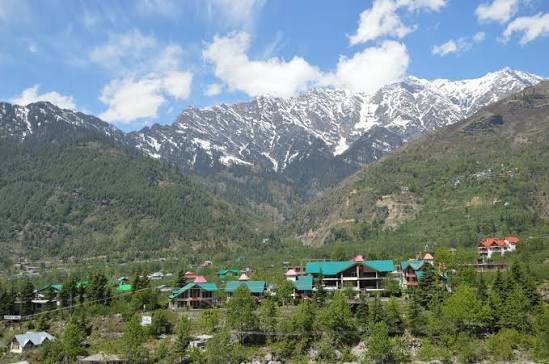
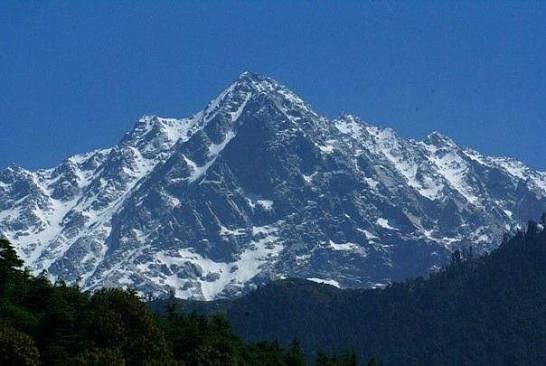
Long before Dharamshala became synonymous with the Dalai Lama or Bir Billing turned into Asia’s paragliding capital, Kangra Valley was already home to one of the world’s oldest surviving royal dynasties — the Katoch rulers, whose fort still stands atop a hill overlooking the Banganga River after surviving centuries of invasion. Spread across Himachal Pradesh’s largest region beneath the Dhauladhar range, Kangra Valley today blends this deep royal and temple history with tea gardens, rock-cut shrines, and some of the state’s most popular hill towns — making it far more than a single valley stop and closer to a whole region worth several days of exploring.
Kangra Valley: Quick Facts
| Aspect | Details |
| Location | Western Himachal Pradesh, beneath the Dhauladhar range |
| Historical Significance | Seat of the Katoch dynasty, one of the world’s oldest surviving royal lineages |
| Nearest Airport | Kangra (Gaggal) Airport, approx. 10-13 km from Kangra town |
| Nearest Major Railway Station | Pathankot Junction, approx. 85-90 km |
| Local Railway | Narrow-gauge Kangra Valley Railway (Pathankot to Jogindernagar, via Kangra Mandir station) |
| Distance from Delhi | Approx. 450-455 km (8 hours) |
| Distance from Chandigarh | Approx. 218-226 km (4.5 hours) |
| Distance from Shimla | Approx. 218 km |
| Best Time to Visit | March to June and September to November/February |
| Avoid | July to mid-September (monsoon, landslide risk) |
| Key Attractions | Kangra Fort, Masroor Rock-Cut Temple, Baijnath Temple, Palampur tea estates |
| Kangra Fort Entry Fee | ₹150 (Indians), ₹300 (foreigners); timings 9 AM-6 PM |
| Nearby Hill Towns | Dharamshala, McLeodganj, Palampur, Bir Billing |
| Recommended Stay | 3-5 days |
Things to Do in Kangra Valley
Given its size, Kangra Valley offers a genuinely varied mix of history, spirituality, and nature-based activities spread across several towns.
- Explore Kangra Fort: One of India’s oldest and largest forts, also known as Nagarkot, offering sweeping valley views and centuries of Katoch dynasty history.
- Visit Masroor Rock-Cut Temple: A rare monolithic rock temple complex around 40 km from Kangra, known for the striking reflection of its shikharas in the surrounding pool.
- Walk Through Palampur’s Tea Gardens: The valley’s tea estates offer scenic walks and a chance to see Kangra’s own distinct tea variety being cultivated.
- Visit Baijnath Temple: An ancient Shiva temple significant to pilgrims and history enthusiasts alike, forming a key stop on most Kangra itineraries.
- Explore Dharamshala and McLeodganj: Just a short drive away, these hill towns add Tibetan Buddhist monasteries, cafes, and a livelier tourist atmosphere to a broader Kangra trip.
- Try Paragliding at Bir Billing: One of the world’s premier paragliding sites sits within reach of the valley, appealing to adventure travellers extending their stay.
- Trek to Kareri Lake: For those with extra time, this trek offers a rewarding high-altitude detour into the Dhauladhar foothills.
- Visit Maharana Pratap Sagar Dam (Pong Dam): A scenic reservoir and wetland area, also known for birdwatching, particularly appealing during winter migratory season.
Best Time to Visit Kangra Valley
Kangra’s weather swings noticeably across the year, and picking the right window shapes both comfort and what you’ll actually get to see.
- March to June: A strong window, with the valley shaking off winter and the Dhauladhar peaks standing sharp against clear skies; daytime temperatures of 15-30°C suit both fort visits and longer walks.
- September to November/February: Equally recommended for sightseeing, offering clearer skies and comfortable temperatures for exploring temples and forts without summer’s heat.
- May to June: Particularly favoured by trekkers heading toward routes like Kareri Lake or Triund, given the more stable weather.
- July to Mid-September (Monsoon): Best avoided, since heavy rain frequently triggers landslides that close roads without warning, and the valley can disappear behind low cloud for days.
- January: Generally the coldest and least recommended month, with temperatures dipping to sub-zero levels in parts of the region.
How to Reach Kangra Valley
Kangra benefits from having its own regional airport and a charming, if slow, narrow-gauge railway alongside standard road access.
- By Air: Kangra (Gaggal) Airport is just 10-13 km from Kangra town, with regular daily flights connecting to Delhi and other major cities.
- By Train (Broad Gauge): Pathankot Junction, roughly 85-90 km away, is the nearest major railway station, well-connected to Delhi, Amritsar, Mumbai, and Kolkata.
- By Train (Narrow Gauge): The historic Kangra Valley Railway, built by the British in 1929, runs from Pathankot to Jogindernagar, stopping at Kangra Mandir station roughly 3 km from town — a slow but scenic route through pine forests and tea gardens.
- By Road from Pathankot: Taxis and buses cover the remaining stretch in about 2-3 hours, following a well-maintained road.
- By Road from Major Cities: Kangra connects well to Delhi (approx. 8 hours), Chandigarh (approx. 4.5 hours), and Shimla (approx. 6 hours) via regular bus and private taxi services.
Practical Tips for Visiting Kangra Valley
A few details help make the most of a Kangra Valley trip, given its spread-out attractions.
- Plan at least 3-5 days if you want to properly cover Kangra Fort, Masroor Rock-Cut Temple, Palampur’s tea estates, and nearby Dharamshala without rushing.
- Wear comfortable shoes for the climb up to Kangra Fort, and consider hiring a local guide for deeper historical context.
- Check road conditions before travelling during shoulder-season months, since landslide risk can extend slightly beyond the core monsoon period.
- Consider the narrow-gauge train from Pathankot at least one way if you enjoy slow, scenic travel, even though it takes considerably longer than road transport.
- Combine your Kangra base with day trips to Bir Billing or McLeodganj rather than treating each as a separate multi-day destination, since distances between them are manageable.
FAQs
Q1. Is Kangra Valley the same as Kangra town, or does it cover a larger area?
Kangra Valley refers to the broader region, including Kangra town itself along with nearby areas like Dharamshala, Palampur, and Bir Billing, making it more of a regional travel base than a single point destination.
Q2. How many days should I realistically plan for Kangra Valley?
A 3-5 day itinerary works well to cover the major sights — Kangra Fort, Masroor Rock-Cut Temple, Baijnath Temple, and Palampur’s tea gardens — with extra days if you want to extend into Dharamshala or Bir Billing.
Q3. Can I combine a Kangra Fort visit with the Masroor Rock-Cut Temple in a single day?
Yes, since Masroor sits about 40 km from Kangra, both can be comfortably covered in one day with an early start, especially if travelling by private taxi rather than relying on local buses.
Q4. Is the narrow-gauge Kangra Valley Railway worth taking despite being slower than road travel?
For travellers who enjoy scenic, unhurried journeys, yes — it passes through pine forests and tea gardens that road travel doesn’t offer the same view of, though those short on time should stick to road transport from Pathankot instead.