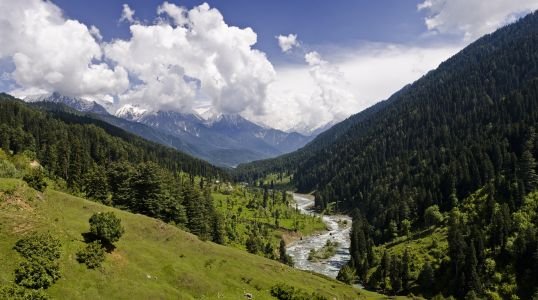
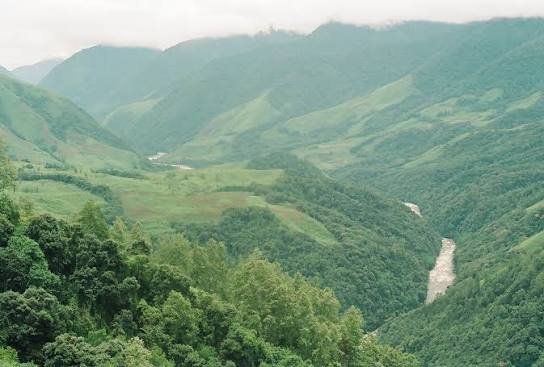
Split across two districts and stretching from lowland forest to snow-brushed passes near the China border, Dibang Valley remains one of Northeast India’s least-travelled corners — a region so remote that reaching its own district headquarters, Anini, can take up to twelve hours of driving from the nearest sizeable town. Home to the Idu Mishmi tribe and framed by the Dibang Wildlife Sanctuary, this valley offers a version of Arunachal Pradesh that hasn’t yet been reshaped by tourism, though that also means visitors need to plan around genuinely rough roads, a narrow accessible season, and mandatory permits.
Dibang Valley: Quick Facts
| Aspect | Details |
| Location | Dibang Valley district (Lower and Upper), Arunachal Pradesh |
| District Headquarters | Roing (Lower Dibang Valley); Anini (Upper Dibang Valley) |
| Local Community | Idu Mishmi tribe |
| Altitude (Anini) | Approx. 1,968 metres |
| Distance Roing to Anini | Approx. 225-240 km (6-12 hours, road-condition dependent) |
| Nearest Airport | Mohanbari Airport, Dibrugarh, Assam (approx. 150-380 km depending on point) |
| Nearest Railway Station | Tinsukia, Assam (approx. 170-323 km) |
| Permit Required | Inner Line Permit (arunachalilp.com or at Shantipur border) |
| Best Time to Visit | November to March (some sources extend to October-April) |
| Avoid | May to September/October (heavy rain, road access largely cut off) |
| Key Attractions | Mehao Lake, Mayodia Pass, Dibang Wildlife Sanctuary |
| Local Festivals | Reh Festival (February), Keh-Meha Festival (September) |
| Ideal Trip Duration | 5-7 days |
How to Reach Dibang Valley
Getting to Dibang Valley involves a multi-stage journey, and the final stretch toward Anini is genuinely one of the more demanding drives in Northeast India.
- By Air: Mohanbari Airport in Dibrugarh, Assam, is the main gateway, with regular flights from Delhi, Kolkata, and Guwahati; from here, the road journey to Roing typically takes 4-5 hours.
- By Train: Tinsukia Junction in Assam is the nearest railway station, with buses and shared taxis continuing onward toward Roing.
- By Road to Roing: The Lower Dibang Valley headquarters, reached via well-maintained highways from Dibrugarh, serves as the practical staging point for anyone continuing further into the valley.
- By Road from Roing to Anini: The real adventure, covering roughly 225-240 km via NH-313 through dirt roads, off-road stretches, and broken tarmac, taking anywhere from 6 to 12 hours depending on weather and road conditions.
- Shared Sumo and Bus Services: Shared Sumo taxis depart Roing for Anini most mornings, while APSTS runs a scheduled bus service (Monday, Wednesday, Friday from Roing; Sunday, Tuesday, Thursday from Anini) as a budget alternative to private taxis.
- Helicopter Option: A seasonal chopper service connects Anini via Naharlagun, Pasighat, and Mohanbari during summer months, though this is weather-dependent and limited.
- Permits: An Inner Line Permit is mandatory for all Indian visitors, obtainable online through the official Arunachal ILP portal or in person at the Shantipur border checkpoint.
Best Time to Visit Dibang Valley
Given the valley’s elevation range and monsoon-heavy climate, the accessible travel window here is considerably narrower than in most of India.
- November to March: Widely considered the core season, with clear skies, stable roads, and temperatures ranging from below zero in winter to comfortable daytime highs.
- October to April: Some sources extend the recommended window slightly on either end, particularly for lower-altitude spots like Mehao Lake near Roing.
- April to May: A less commonly cited but visually rewarding stretch, when rhododendrons bloom and wildlife activity picks up, though road conditions can still be unpredictable this early.
- May to September/October: Largely avoided, since heavy rainfall makes much of the region inaccessible, with roads to Anini particularly prone to disruption during this stretch.
Things to Do in Dibang Valley
Dibang’s attractions span both the lower valley near Roing and the far more remote upper reaches near Anini, so most itineraries build around this natural split.
- Visit Mehao Lake: A serene freshwater lake roughly 17 km from Roing, set within forested foothills and reachable via a short, easy walk from the road.
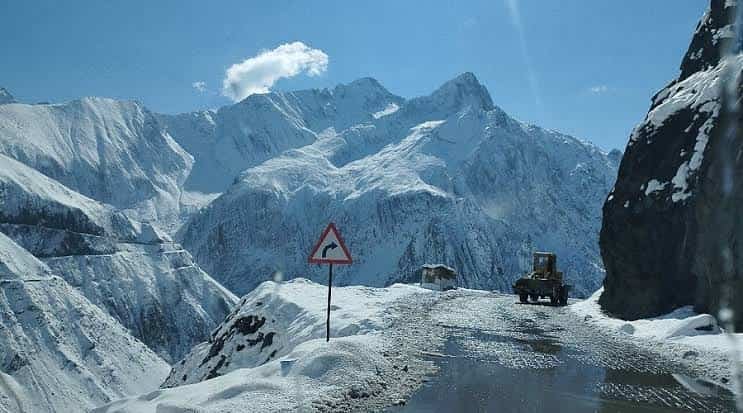
- Drive Through Mayodia Pass: Around 56 km from Roing, this scenic pass offers rhododendron blooms in season and occasional snow in winter, making it a popular stop en route to Anini.
- Explore Dibang Wildlife Sanctuary: Located near Anini, this protected area supports rich Eastern Himalayan biodiversity, though access and conservation status have drawn attention due to a proposed dam project in the region.
- Experience Idu Mishmi Village Life: The valley’s remoteness has preserved much of the Idu Mishmi community’s traditional lifestyle, offering visitors a genuine, unfiltered cultural experience rarely found elsewhere in Arunachal Pradesh.
- Trek Around Anini’s High-Altitude Circles: Areas like Dambuen in Dri Valley, Mipi Circle in Mathu Valley, and Maliney in Talon Valley offer some of the district’s most remote and least-visited trekking terrain.
- Photograph the Roing-to-Anini Drive: The journey itself, cutting through changing Himalayan landscapes, is considered one of India’s most spectacular and challenging road trips.
Idu Mishmi Culture and Local Festivals
Dibang Valley’s cultural calendar offers a rare window into Idu Mishmi traditions, and timing a visit around these events adds real depth to a trip here.
- Reh Festival (February): A significant spiritual observance among the Idu Mishmi community, involving rituals performed for prosperity and community wellbeing.
- Keh-Meha Festival (September): A celebration of tribal unity, though its timing falls within the region’s difficult monsoon-affected travel window, so attending requires careful planning around road conditions.
- Traditional Idu Mishmi Attire and Craft: Handwoven textiles and traditional silver jewellery remain part of everyday life in Dibang’s villages, offering visitors genuine insight beyond typical souvenir shopping.
- Community Interaction: Given the valley’s low tourist footfall, respectful engagement with local Idu Mishmi communities tends to be far more personal and unscripted than in more commercialised parts of Northeast India.
FAQs
Q1. Is it possible to visit both Roing and Anini in a single short trip, or should I focus on just one?
Given the 6-12 hour drive between the two, most travellers with limited time focus on Roing and its nearby attractions like Mehao Lake and Mayodia Pass, while a dedicated trip to Anini requires at least 5-7 days total to account for the demanding road journey both ways.
Q2. Do I need a separate permit for Anini beyond the standard Arunachal Pradesh ILP?
The standard Inner Line Permit for Arunachal Pradesh generally covers travel within Dibang Valley district, but it’s worth confirming current requirements with a local operator or at the Shantipur checkpoint, since border-adjacent areas can occasionally have additional regulations.
Q3. Is the Roing-to-Anini road safe for a self-drive trip, or should I hire a local driver?
Given the demanding mix of dirt roads, off-road stretches, and broken tarmac, hiring an experienced local driver or joining a shared Sumo service is strongly recommended over self-driving, especially for those unfamiliar with the region’s road conditions.
Q4. What should I prioritize if I can only spend 2-3 days in the Dibang Valley region?
With limited time, basing yourself in Roing and covering Mehao Lake and Mayodia Pass gives a solid, manageable introduction to the region, while the more remote Anini side is better reserved for a longer, dedicated trip.