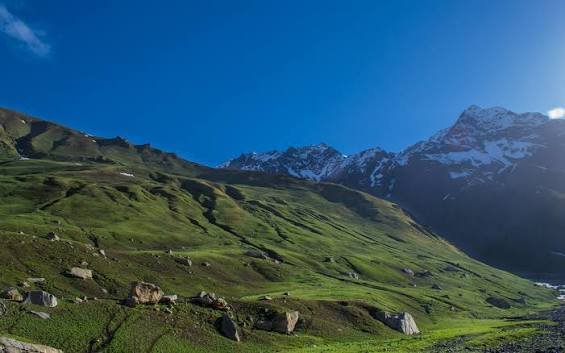
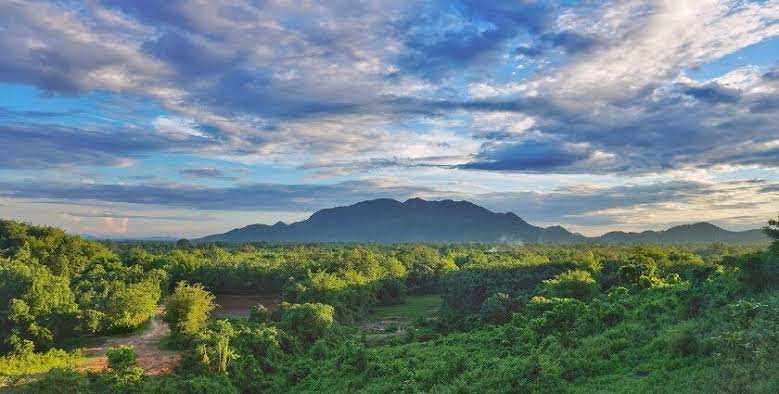
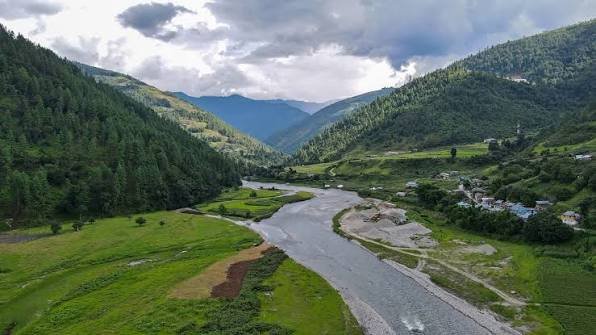
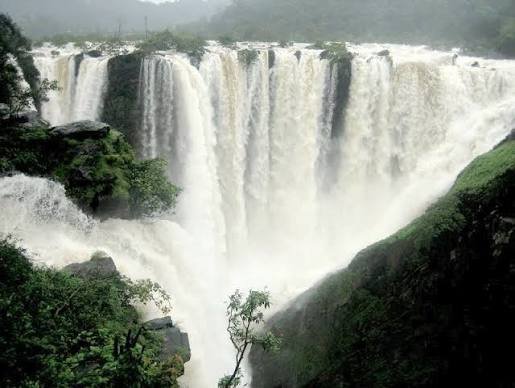
The Sharavathi River does something dramatic partway through its journey to the Arabian Sea — it plunges 829 feet in four distinct cascades known as Raja, Rani, Roarer, and Rocket, forming Jog Falls, India’s second-highest plunge waterfall. But the falls are just the most famous chapter of a much larger story: Sharavathi Valley Wildlife Sanctuary, a 431 sq km stretch of evergreen and moist deciduous Western Ghats forest that shelters lion-tailed macaques and hundreds of bird species, wrapped around the same river basin that also feeds the Linganamakki reservoir and a village that literally rose again after being submerged by a dam.
Sharavathi Valley: Quick Facts
| Aspect | Details |
| Location | Shimoga district (Jog Falls area extends into Uttara Kannada), Karnataka |
| Sanctuary Area | Approx. 431 sq km, established 1972 |
| Contiguous With | Mookambika Wildlife Sanctuary |
| Jog Falls Height | Approx. 829-830 feet (four cascades: Raja, Rani, Roarer, Rocket) |
| Distance from Shimoga | Approx. 100-106 km |
| Distance from Bengaluru | Approx. 370-427 km |
| Distance from Sagara | Approx. 30-31 km |
| Nearest Railway Station | Shimoga or Sagar Jambagaru (approx. 30 km) |
| Nearest Airports | Mangalore, Hubli, Shimoga |
| Jog Falls Entry Fee | Approx. ₹10 per person |
| Jog Falls Timings | Approx. 6:00 AM to 8:00 PM |
| Best Time (Waterfall) | June to September (peak flow) or October to January (clearer, still flowing) |
| Best Time (Wildlife/Sanctuary) | November to May |
| Key Attractions | Jog Falls, Linganamakki Dam, Honnemaradu village, Sigandur Temple |
Jog Falls: The Valley’s Centerpiece
Since Jog Falls is what draws most visitors to Sharavathi Valley in the first place, understanding its character across seasons shapes the entire trip.
- The Four Cascades: Raja plunges in a single continuous fall, Roarer crashes forcefully over rocks, Rocket shoots out in jet-like sprays, and Rani has a more delicate, mist-like fall — together creating the waterfall’s distinct, multi-personality appearance.
- Monsoon Power (June-September): The falls reach peak volume during this stretch, often accompanied by dramatic rainbows in the spray, making it the most visually overwhelming time to visit.
- Post-Monsoon Clarity (October-January): The water flow remains strong while skies clear up, offering a good balance between a still-impressive waterfall and more comfortable viewing weather.
- Dry Season Considerations: Since Jog Falls depends on the Linganamakki Dam’s water release schedule as much as rainfall, flow can vary noticeably outside the monsoon and immediate post-monsoon window, so checking current conditions before a summer visit is worthwhile.
- The Base Trek: A moderately difficult trek down to the base of the falls is permitted for those wanting a closer, more immersive view rather than just the standard viewpoint.
Best Time to Visit Sharavathi Valley
Since the valley functions as both a waterfall destination and a wildlife sanctuary, the “best” time genuinely depends on which experience you’re prioritizing.
- June to September: Ideal for Jog Falls at its most dramatic, though monsoon conditions can make wildlife spotting within the sanctuary itself more difficult and forest trails less accessible.
- October to January: A strong middle-ground period, with the falls still flowing well, clearer skies for photography, and gradually improving conditions for sanctuary visits as the rains recede.
- November to May: The recommended window specifically for wildlife sightings within Sharavathi Valley Wildlife Sanctuary, when drier forest conditions make animal movement and visibility more predictable.
- February to April: A good stretch for combining both experiences reasonably well, since the falls typically still carry some water (depending on dam release) while sanctuary wildlife viewing conditions remain favourable.
Things to Do in Sharavathi Valley
Beyond the waterfall itself, the valley offers a genuine mix of wildlife, water-based activities, and historical curiosities worth building into a longer visit.
- View and Trek Jog Falls: The headline activity, whether from the main viewpoint or via the moderately challenging trek down to the base.
- Explore Sharavathi Valley Wildlife Sanctuary: Home to lion-tailed macaques, numerous bird and butterfly species, and dense evergreen forest, best explored with a forest department guide during the November-May window.
- Visit Linganamakki Dam: An earthen dam roughly 10 km from Jog Falls, built across the Sharavathi River and a key stop for understanding the region’s hydroelectric significance.
- Experience Honnemaradu’s Water Activities: This reservoir-side village has developed into a spot for kayaking, coracle rides, and camping along the Sharavathi backwaters.
- Visit Sigandur Temple: A significant local pilgrimage site accessible via a short boat ride across the Sharavathi backwaters, adding a cultural stop to a nature-focused itinerary.
- Explore Ikkeri: A historically significant small town near Sagara, worth a stop for those interested in regional heritage alongside the natural attractions.
- Combine with Tyavarekoppa Lion and Tiger Safari: Located about 30 km from Jog Falls near Shimoga, this offers a more structured wildlife-viewing option to pair with the sanctuary visit.
How to Reach Sharavathi Valley
Since Jog Falls serves as the valley’s main access point, most travellers plan their route around reaching this landmark first.
- By Road from Bengaluru: The most common approach, via NH48 and NH69 through Tumkur, Chitradurga, and Shimoga to Sagar, covering roughly 370-427 km in about 8-9 hours.
- By Road from Shimoga: A shorter 100-106 km stretch, taking around 1.5-2 hours by taxi, making Shimoga a practical base for a shorter regional trip.
- By Train: Shimoga Railway Station is the main rail gateway, well-connected to Bengaluru, Mysore, and other Karnataka cities, with Sagar Jambagaru serving as an even closer alternative at roughly 30 km from the falls.
- By Air: Mangalore and Hubli are the nearest major airports, with Shimoga also offering limited connectivity, followed by a road journey to the valley.
- Combining with the Coast: Since Murudeshwar (roughly 87-95 km) and Gokarna (roughly 122 km) sit within reasonable driving distance, many travellers combine a Sharavathi Valley visit with a broader Karnataka coastal itinerary.
The Story of Honnemaradu: A Village Reclaimed from the Dam
One of the valley’s more unusual features is a settlement that was effectively erased and then rebuilt around the very reservoir that displaced it.
- Submerged in the 1960s: Honnemaradu village was engulfed when the Linganamakki Dam’s reservoir formed, part of the broader hydroelectric development along the Sharavathi River.
- Resurrected as a Destination: Rather than disappearing entirely, the area has since redeveloped around its new reservoir-side identity, drawing visitors for water sports and camping along the backwaters.
- A Living Example of the Region’s Trade-offs: Honnemaradu’s transformation reflects the broader story of Sharavathi Valley itself — a landscape shaped as much by hydroelectric development as by natural forest, with tourism now built around both.
- Worth Visiting for Contrast: Pairing a Honnemaradu stop with the raw, powerful drama of Jog Falls gives a fuller sense of how the same river has been experienced differently across this one valley.
FAQs
Q1. Should I visit Sharavathi Valley primarily for Jog Falls or for wildlife sighting, and can I do both in one trip?
You can do both, but timing matters — June to September offers the most dramatic waterfall views but weaker wildlife visibility, while November to May favours the sanctuary’s animal sightings with a somewhat calmer (though still respectable) waterfall, so plan around whichever experience is your priority.
Q2. Does Jog Falls always have strong water flow, or does it depend on the dam’s release schedule?
Flow varies significantly, since the falls are influenced by both natural rainfall and the Linganamakki Dam’s water release patterns, so if you’re visiting outside the June-to-January window, it’s worth checking current conditions locally rather than assuming a consistently powerful waterfall.
Q3. Is the trek to the base of Jog Falls suitable for casual visitors, or does it require prior trekking experience?
It’s rated moderately difficult, so while not requiring serious trekking experience, reasonable fitness and proper footwear are necessary, and it’s not recommended for those uncomfortable with a fairly steep, sustained descent and climb back up.
Q4. How much time should I realistically plan for a Sharavathi Valley trip covering both the falls and the wildlife sanctuary?
A rushed day trip can cover just Jog Falls, but properly experiencing both the falls and the sanctuary, plus a stop at Linganamakki Dam or Honnemaradu, generally needs at least 2 days, especially if you’re travelling from Bengaluru given the roughly 8-9 hour one-way drive.