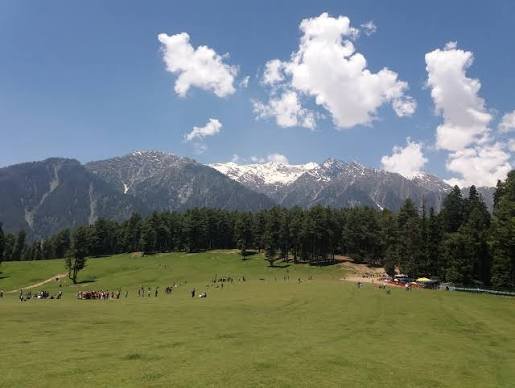
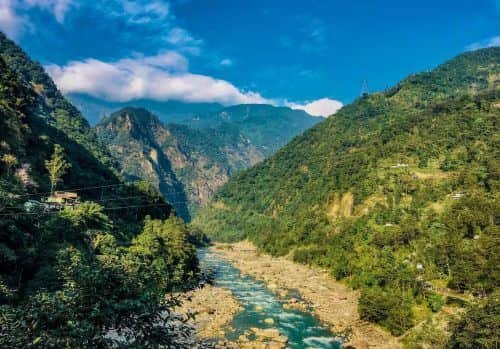
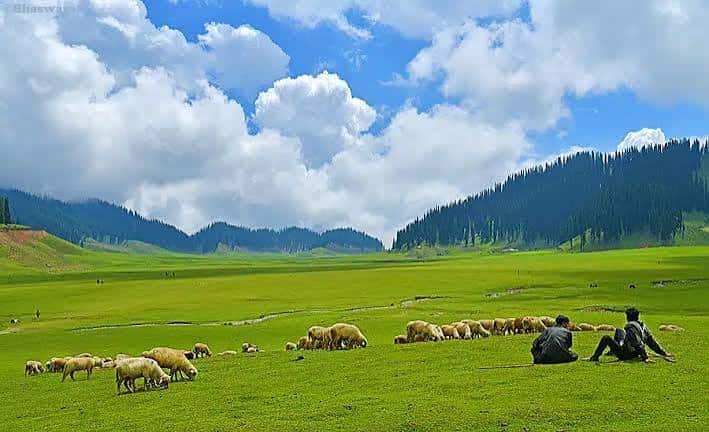
Cradled between the Ganga to the east and the Yamuna to the west, within the Shivalik foothills of the Lower Himalayas, Doon Valley is home to Dehradun — Uttarakhand’s capital city and one of India’s most enduring hill-adjacent addresses, long known for its prestigious boarding schools, the Forest Research Institute, and a climate mild enough to draw visitors nearly year-round. Unlike a single scenic viewpoint or trek, Doon Valley functions as a genuine base region: sulphur springs and caves within the valley itself, over 200 recorded bird species in its surrounding forests, and Mussoorie, Rishikesh, and Haridwar all within comfortable striking distance.
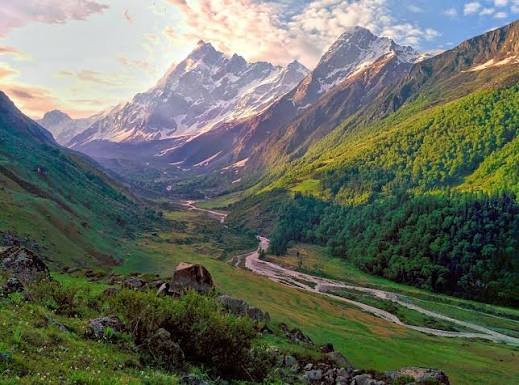
Doon Valley: Quick Facts
| Aspect | Details |
| Location | Shivalik Hills, Uttarakhand (contains Dehradun city) |
| Altitude | Approx. 640-700 metres (2,100-2,254 feet) |
| Bordering Rivers | Ganga (east), Yamuna (west) |
| Distance from Delhi | Approx. 200-250 km (6-7 hours) |
| Distance from Chandigarh | Approx. 200 km |
| Nearest Airport | Jolly Grant Airport, approx. 30 km from Dehradun |
| Nearest Railway Station | Dehradun Railway Station |
| Best Time to Visit | March to June and September to November |
| Known For | Boarding schools, Sahastradhara Falls, Robber’s Cave, birdwatching |
| Gateway To | Mussoorie, Rishikesh, Haridwar, Chakrata |
| Best Birdwatching Window | October to May |
| Ideal Trip Duration | 2-3 days (Doon Valley alone); longer if combined with Mussoorie |
Things to Do in Doon Valley
Doon Valley’s attractions span natural springs, historic institutions, and its role as the launch point for several of Uttarakhand’s most popular hill destinations.
- Visit Sahastradhara Falls: A sulphur spring waterfall roughly 9 km from the city centre, with a ropeway (approx. ₹200) offering aerial views over the falls and the adjoining Joyland water park.
- Explore Robber’s Cave (Gucchupani): Located about 8 km from the city, this natural cave formation with a shallow stream running through it is a popular half-day excursion, accessible via a short walk from Vijaypur.
- Walk Through Malsi Deer Park: A compact wildlife park roughly 10 km from Dehradun, best visited between February and April to see the fullest range of flora and fauna.
- Tour the Forest Research Institute (FRI): A striking colonial-era building and one of Asia’s premier forestry research institutions, offering both architectural and educational interest.
- Visit Tapkeshwar Temple: A cave temple dedicated to Lord Shiva, notable for water continuously dripping (tapak) onto the shivling from the cave ceiling above.
- See the Ashoka Rock Edict at Kalsi: Located about 45 km from Dehradun, this ancient inscription offers a genuine link to Emperor Ashoka’s era and Mauryan history.
- Shop on Connaught Place / Chakrata Road: Dehradun’s main commercial stretch, good for picking up Garhwali handicrafts, carved wooden items, and local souvenirs.
- Day Trip to Mussoorie: Roughly 33-50 km away, this popular hill station (including Kempty Falls) makes for an easy extension to a Doon Valley base.
Best Time to Visit Doon Valley
Doon Valley functions as a near year-round destination, though certain windows offer noticeably better conditions depending on your priorities.
- March to June (Peak Season): Pleasant daytime weather (17-35°C) ideal for sightseeing, picnics, and combining with a Mussoorie trip, though this is also when crowds and accommodation rates peak.
- September to November (Autumn): Clear skies, cooler breezes, and golden seasonal colours make this a strong alternative to peak summer, with better conditions for temple visits and light trekking.
- July to September (Monsoon): Heavy rainfall turns the valley intensely green, appealing to photographers and nature lovers, though landslide risk in surrounding hill areas calls for cautious travel planning.
- December to February (Winter): Cold, with temperatures dropping to 3-18°C, though snowfall visible on nearby Mussoorie’s hills adds a scenic charm for those who don’t mind the chill.
- October to May: The recommended window specifically for birdwatchers, when migratory and resident Himalayan bird species are most active and visible across the valley’s reserve forests.
How to Reach Doon Valley
Dehradun’s strong road, rail, and air connectivity makes Doon Valley one of the more accessible Himalayan-adjacent destinations from Delhi and North India.
- By Air: Jolly Grant Airport, roughly 30 km from Dehradun city centre, offers regular flights from major Indian cities.
- By Train: Dehradun Railway Station is well-connected via trains including the Shatabdi Express, Nanda Devi Express, and Mussoorie Express, linking to Delhi, Lucknow, Varanasi, Kolkata, and beyond.
- By Road from Delhi: Approximately 200-250 km, taking 6-7 hours via Ghaziabad, Meerut, Roorkee, and Haridwar, or the more direct NH corridor; regular buses run from ISBT Kashmiri Gate to Dehradun ISBT.
- By Road from Chandigarh: A comparable distance of roughly 200 km, making Doon Valley accessible from either major North Indian hub.
- Local Transport: Auto-rickshaws, e-rickshaws, rented bikes/scooters, and shared taxis (“Shared Magic”) cover local sightseeing, with the Clock Tower area serving as a central hub close to the railway station and bus stands.
Doon Valley for Birdwatchers
Given how often this aspect gets overlooked in favour of Dehradun’s more commercial attractions, it’s worth understanding Doon Valley’s genuine appeal for birding enthusiasts specifically.
- Over 200 Recorded Species: The valley and its surrounding reserve forests support a genuinely diverse range of resident and migratory Himalayan birdlife, making it a worthwhile stop for serious birders passing through Uttarakhand.
- Key Birding Zones: Beyond Dehradun itself, areas touching Rajaji National Park, the Asan Barrage wetland near Paonta Sahib (about 50 km away), and the hills of Mussoorie, Dhanaulti, and Chakrata all contribute to the valley’s birding ecosystem.
- Best Season: October to May offers the most reliable birding conditions, as migratory species arrive and resident populations remain more active during the cooler, drier months.
- Combine with Other Sightseeing: Since many birding zones overlap with standard tourist routes (Rajaji National Park, Mussoorie’s hill trails), it’s entirely possible to build birdwatching into a broader Doon Valley itinerary rather than treating it as a separate specialist trip.
- Wooded Walks: The area’s forest cover, ideal for both birding and general nature walks, adds a quieter, slower-paced dimension to a Doon Valley visit beyond its more commercial attractions.
FAQs
Q1. Is Doon Valley the same as Dehradun, or does it refer to a larger area?
Doon Valley refers to the broader Shivalik valley region, within which Dehradun city sits as the main urban centre — so while the terms are often used interchangeably, Doon Valley technically encompasses the wider geographic area including surrounding forests and hills.
Q2. How many days should I plan for Doon Valley if I also want to visit Mussoorie?
A combined trip works well over 4-5 days — roughly 2 days for Doon Valley’s own attractions (Sahastradhara, Robber’s Cave, FRI) and 2-3 days for Mussoorie, given the short 33-50 km distance between them.
Q3. Is monsoon season worth visiting Doon Valley despite the landslide risk mentioned for nearby hills?
The valley floor itself (Dehradun city and immediate attractions) remains generally accessible during monsoon and looks notably lush, but if your itinerary includes hill excursions to Mussoorie or Chakrata, check road conditions beforehand given the increased landslide risk in those higher areas.
Q4. What’s the best way to get around Doon Valley once I’ve arrived in Dehradun?
Auto-rickshaws and e-rickshaws work well for shorter distances within the city, while renting a bike, scooter, or hiring a shared taxi (“Shared Magic”) is more practical for reaching attractions like Sahastradhara or Robber’s Cave that sit a bit further from the city centre.