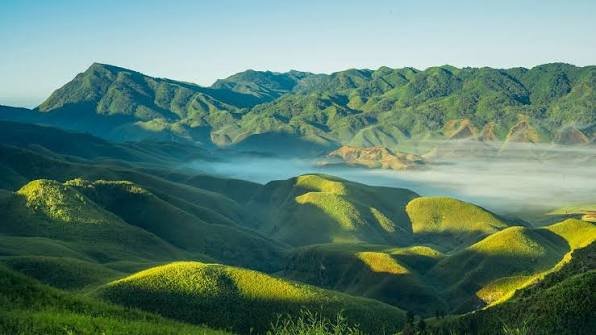
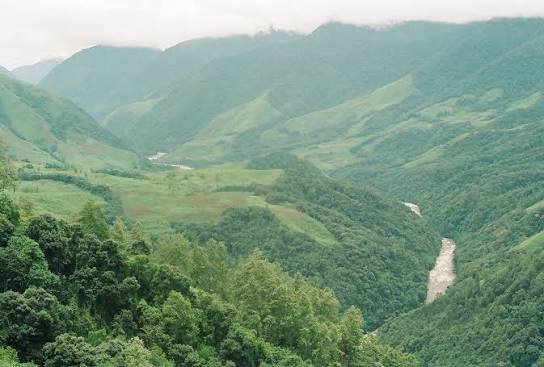
Most Indian rivers turn rafting-worthy only during monsoon, but the Kundalika River near Kolad in Raigad district is a rare exception — water released daily from an upstream dam keeps rapids running strong through nearly the entire year, making this one of the only rafting destinations in India operational 365 days. Tucked into the Sahyadri foothills, roughly two and a half hours from both Mumbai and Pune, Kundalika Valley has grown from a quiet Konkan village into one of Western India’s go-to weekend adventure spots, built almost entirely around its white-water rapids.

Kundalika Valley: Quick Facts
| Aspect | Details |
| Location | Kolad village, Raigad district, Maharashtra |
| River | Kundalika River (Western Ghats origin) |
| Distance from Mumbai | Approx. 110-130 km (2-2.5 hours) |
| Distance from Pune | Approx. 120-135 km (2.5-3 hours via Tamhini Ghat or Khopoli) |
| Nearest Railway Station | Kolad (Konkan Railway) or Roha |
| Nearest Airport | Mumbai or Pune |
| Rafting Stretch | Approx. 12-14 km |
| Rafting Duration | Approx. 2 hours |
| Rafting Availability | Year-round (dam-fed water release) |
| Best Time to Visit | June to March (monsoon for thrill, winter for comfort) |
| Avoid | Peak summer months (March to May) for extreme heat |
| Entry Fee | No entry fee (rafting charged separately by operators) |
| Nearby Attractions | Sukeli Waterfalls, Kurdugad Fort, Tamhini Ghat, Roha-area forts |
| Ideal Visit Duration | 1 day (or overnight with a resort stay) |
Things to Do in Kundalika Valley
Kundalika’s identity is built almost entirely around adventure sports, though the surrounding Sahyadri landscape offers a few quieter add-ons for those wanting more than just rafting.
- White-Water Rafting: The signature activity, covering a roughly 12-14 km stretch of the Kundalika River with a mix of manageable and more intense rapids, suitable even for non-swimmers with proper safety gear.
- Visit Sukeli Waterfalls: A short detour near Kolad, worth combining with a rafting day for those wanting a quieter natural stop.
- Trek to Kurdugad Fort: Also known as Vishramgad, this Shivaji-era fort sits about 33 km from Kolad and offers a moderate trekking option for history and hill-fort enthusiasts.
- Explore Roha-Area Forts: Talagad, Ghosalgad, Birwadi, and Avchitgad are all within reach of Kolad for travellers with their own vehicle and extra time to spare.
- Drive Through Tamhini Ghat: The scenic route connecting Pune to Kolad is an attraction in itself, especially during and just after monsoon when waterfalls line the ghat road.
- Resort Stays and Team Activities: Several nature resorts around Kolad combine rafting with team-building activities, making the area a popular pick for corporate outings alongside regular tourists.
Best Time to Visit Kundalika Valley
Since rafting runs year-round thanks to controlled dam releases, the “best” time here depends more on personal comfort and rafting intensity preference than on accessibility.
- June to September (Monsoon): Considered the most thrilling period for rafting, as water levels rise and currents get noticeably stronger, creating a more adrenaline-heavy experience.
- October to February (Winter): The most comfortable window overall, with pleasant weather for both rafting and any additional sightseeing around Kolad.
- March to May (Summer): Rafting still operates, but the heat can make the overall day trip less comfortable, especially for families or those planning to combine it with fort treks.
- Since rafting is dam-controlled and typically offered once a day, arriving at least 30 minutes before the scheduled start time (commonly around 8:30 AM) is standard advice regardless of season.
How to Reach Kundalika Valley
Kolad’s proximity to both Mumbai and Pune, combined with decent rail connectivity, makes it one of the more accessible adventure destinations in Maharashtra.
- By Road from Mumbai: Via the Mumbai-Pune Expressway, exiting at Khopoli and continuing on NH66 toward Kolad, covering roughly 110-130 km in about 2-2.5 hours.
- By Road from Pune: Two common routes exist — via Paud Road, Mulshi Dam, and Tamhini Ghat (scenic but slower), or via Khopoli and NH66 — both covering approximately 120-135 km in 2.5-3 hours.
- By Train: Kolad railway station, on the Konkan Railway line, is directly accessible from Mumbai; Pune travellers may need to connect via Mumbai or Lonavala since direct trains are limited.
- By Bus: State transport buses running along the Mumbai-Goa highway stop at Kolad, offering a budget-friendly alternative to hiring a private taxi.
- Local Transport from Kolad Station: Auto-rickshaws and local taxis are readily available to cover the short distance from the railway station to the rafting base camps.
Practical Tips for a Kundalika Valley Trip
A few details make the day smoother, especially since most visitors plan this as a tightly scheduled single-day outing.
- Book your rafting slot in advance, particularly on weekends, since it typically runs only once a day and fills up quickly.
- Carry a change of clothes and a waterproof bag for phones and valuables, since getting soaked during rafting is guaranteed.
- Non-swimmers can still participate, but confirm safety equipment and operator credentials before booking, especially with smaller, less established providers.
- Combine your visit with a resort stay if you want to add nearby waterfalls or fort treks without rushing the day.
- Avoid scheduling a Kundalika trip on the same day as long-distance travel, since the round trip from Mumbai or Pune alone can take up a significant chunk of the day.
FAQs
Q1. Is Kundalika River rafting safe for beginners who have never rafted before?
Yes, most operators cater specifically to beginners with proper safety briefings, life jackets, and trained guides, and non-swimmers are generally permitted to participate under standard safety protocols.
Q2. Why does rafting continue even outside monsoon season when other Indian rivers dry up?
Kundalika’s rafting relies on scheduled water releases from an upstream dam rather than purely natural river flow, which is why it remains one of the few rafting destinations in India operational throughout the year.
Q3. Can Kundalika Valley be visited as a single-day trip from Mumbai or Pune, or does it need an overnight stay?
A single-day trip is entirely feasible given the roughly 2-2.5 hour drive each way, though an overnight resort stay is worth considering if you want to add nearby waterfalls or fort treks without a rushed schedule.
Q4. Is monsoon really the best time for rafting, or does it get too risky?
Monsoon offers the most thrilling rapids due to higher water levels, but operators adjust routes and safety measures accordingly, so it’s generally considered safe with a licensed operator — those preferring calmer conditions may still prefer the October-to-February window instead.