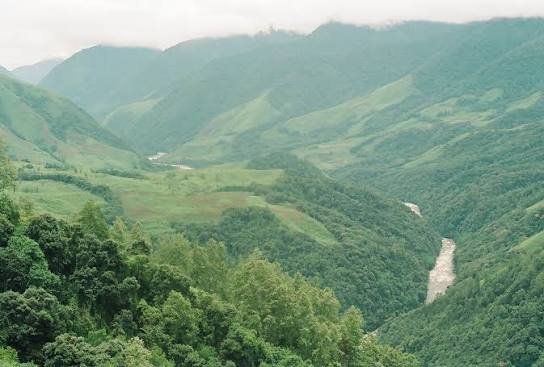
Anini sits on a small plateau wedged between two rivers — the Dri and the Mathun, both tributaries of the Dibang — at nearly 2,000 metres in one of India’s least populated districts. As the headquarters of Upper Dibang Valley, this remote Idu Mishmi town has become known among serious offbeat travellers for a demanding multi-day trek to seven pristine alpine lakes, a hanging bridge over the Dri River, and a genuinely untouched slice of Eastern Himalayan wilderness that remains largely free of the infrastructure found in more developed Northeast destinations.
Anini Valley: Quick Facts
| Aspect | Details |
| Location | Upper Dibang Valley district, Arunachal Pradesh (near China border) |
| Altitude | Approx. 1,968-2,000 metres |
| Rivers | Dri and Mathun (tributaries of the Dibang River) |
| Local Community | Idu Mishmi tribe |
| Distance from Roing | Approx. 235-250 km |
| Distance from Dibrugarh | Approx. 320 km |
| Nearest Airport | Dibrugarh Airport, Assam |
| Nearest Railway Station | Tinsukia Junction, Assam |
| Best Time to Visit | October to April (October-November and March-May cited as peak windows) |
| Avoid | June to September (monsoon, landslides) |
| Key Festivals | Reh Festival (February), Tamladu Festival (spring) |
| Signature Trek | Seven Lakes Trek (Mipi Lake, Emra Lake, Rukmini Lake, and others) |
| Ideal Trip Duration | 3-5 days (longer for the Seven Lakes trek) |
How to Reach Anini
Reaching Anini remains a genuine journey, given its position deep within one of Arunachal Pradesh’s most remote districts.
- By Air: Dibrugarh Airport in Assam is the nearest airport, connected to major Indian cities, serving as the starting point for the long road journey ahead.
- By Train: Tinsukia Junction in Assam is the closest railway station, from where buses and taxis continue toward Arunachal Pradesh.
- By Road via Roing: The most common approach, first reaching Roing (Lower Dibang Valley’s headquarters), then continuing roughly 225-240 km onward to Anini via NH-313, a demanding stretch of dirt roads and broken tarmac taking anywhere from 6 to 12 hours.
- Shared Sumo and Bus Services: Shared Sumo taxis run from Roing to Anini most mornings, while APSTS operates a scheduled bus service on alternating days as a budget alternative to hiring a private vehicle.
- Permits: An Inner Line Permit is mandatory for all Indian visitors, obtainable online through the official Arunachal ILP portal or in person at the Shantipur border checkpoint.
- Realistic Planning: Given the distances and road conditions involved, treat the journey itself as part of the experience rather than a quick formality — building in a buffer day for delays is wise.
Best Time to Visit Anini
Anini’s weather swings noticeably across the year, and the right season depends heavily on whether you’re prioritizing trekking, festivals, or simply manageable road conditions.
- October to November: Widely cited as one of the best windows, with crystal-clear mountain views, pleasant weather, and excellent road conditions following the monsoon.
- March to May (Spring): Temperatures range comfortably between 10-25°C, with blooming flora and good conditions for trekking, camping, and sightseeing — this period also coincides with local festivals like Reh and Tamladu.
- November to February (Winter): Cool and pleasant, ideal for exploring the lush landscapes and outdoor activities, though nights can turn genuinely cold at this altitude.
- June to September (Monsoon): Best avoided, since heavy rainfall regularly triggers landslides and road closures across this already challenging terrain, though the region does turn dramatically green during this stretch.
Things to Do in Anini
Anini’s attractions are spread across its immediate surroundings and require genuine effort to reach, rewarding travellers willing to trek and explore rather than expecting drive-up sightseeing.
- Attempt the Seven Lakes Trek: One of Arunachal Pradesh’s most challenging and rewarding treks, starting from Anini and leading to a cluster of pristine alpine lakes including Mipi Lake, Emra Lake, and Rukmini Lake.
- Explore Dri Valley: Relatively flat and picturesque compared to neighbouring Mathun Valley, with the Dri River turning calmer in its upper reaches near Dambeun, a popular winter picnic spot roughly 32 km from Anini.
- Cross the Hanging Bridge over Dri River: A notable local landmark, offering both a scenic photo stop and a genuine sense of the region’s rugged terrain.
- Relax at the Hot Water Spring at Dri: A natural geothermal spot near the Dri River, offering a rare warm-water experience in this otherwise cold, high-altitude region.
- Trek Through Mathun Valley: A more demanding alternative to Dri Valley, appealing to trekkers wanting a steeper, more remote experience through the Mishmi Hills.
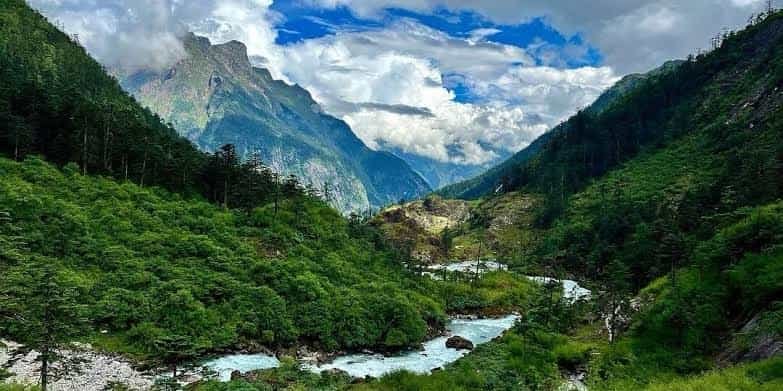
- Drive the India-China Border Road (ICBR): A scenic route along turquoise river valleys and dense riverine forest, offering a genuinely different perspective on this border region.
- Visit Athupopu: Located in nearby Talon Valley and deeply significant to the Idu Mishmi tribe, this spot offers cultural depth alongside its natural scenery.
Idu Mishmi Festivals Worth Timing Your Visit Around
Anini’s cultural calendar offers a rare opportunity to witness Idu Mishmi traditions firsthand, and planning around these events adds genuine depth to a visit here.
- Reh Festival (February): The region’s most significant Idu Mishmi celebration, involving rituals performed for community prosperity and wellbeing — timing a February visit around this event offers an authentic cultural experience alongside the region’s cooler, clearer winter weather.
- Tamladu Festival (Spring): A spring celebration coinciding with the pleasant March-to-May travel window, giving visitors another opportunity to experience Idu Mishmi cultural traditions during good trekking weather.
- Everyday Cultural Immersion: Given Anini’s low tourist footfall, interactions with local Idu Mishmi communities tend to be considerably more genuine and unscripted than in more commercialized parts of Northeast India, even outside formal festival dates.
- Respectful Engagement: Since much of Anini’s tourism appeal rests on its authentic, undeveloped character, approaching cultural sites and community interactions with genuine curiosity and respect matters more here than at more established tourist destinations.
FAQs
Q1. How is Anini Valley different from the broader Dibang Valley destinations like Roing and Mehao Lake?
Anini, as the Upper Dibang Valley headquarters, sits considerably further and higher than Roing-area attractions, offering more remote, trek-focused experiences like the Seven Lakes trek and Dri/Mathun valley exploration, while Roing serves more as the accessible lower-valley base with attractions like Mehao Lake and Mayodia Pass.
Q2. Is the Seven Lakes trek suitable for an average fitness traveller, or does it require serious trekking experience?
It’s considered one of the more challenging and demanding treks in Arunachal Pradesh, so prior trekking experience and solid physical fitness are genuinely important, along with hiring an experienced local guide given the route’s remoteness.
Q3. Can I visit both Dri Valley and Mathun Valley in a single trip to Anini, or should I choose one?
Both are reachable from Anini and offer contrasting experiences — Dri Valley is comparatively flat with well-defined trails, while Mathun Valley is steeper and more demanding — so with 3-5 days in the region, covering both is realistic without needing to choose just one.
Q4. What’s the best way to time a visit around the Reh Festival without sacrificing good trekking weather?
February timing works well for both, since it falls within the broader October-to-April favourable window, offering reasonably clear conditions for sightseeing and the Reh Festival experience simultaneously, though it’s colder than the March-May stretch if extensive trekking is your main priority.