Established in 1854, Happy Valley Tea Estate is the second-oldest tea garden in Darjeeling and, sitting at roughly 2,100 metres, one of the highest-altitude tea factories anywhere in the world — a combination that makes it one of the most visited tea gardens on any Darjeeling itinerary. Just a short drive from the town’s Chowk Bazaar, this working estate still processes over 1,500 workers’ worth of daily labour into some of the region’s most sought-after organic tea, and unlike many plantations that keep visitors at arm’s length, Happy Valley opens its factory floor to guided tours. For anyone visiting Darjeeling, it’s one of the easiest, most rewarding half-day additions to a hill-station trip.
Happy Valley Tea Estate: Quick Facts
| Aspect | Details |
| Location | Lebong Cart Road, Chauk Bazaar, Darjeeling, West Bengal |
| Established | 1854 (second-oldest tea estate in Darjeeling) |
| Altitude | Approx. 2,100 metres |
| Area | Approx. 177 hectares (sources also cite ~437 acres) |
| Distance from Darjeeling Town | Approx. 2-3 km (5-8 minutes by car) |
| Distance from Darjeeling Railway Station | Approx. 2.5 km |
| Distance from Siliguri Junction | Approx. 66 km (2-2.5 hours) |
| Nearest Airport | Bagdogra Airport (approx. 100 km) |
| Timings | Approx. 8:00 AM to 4:00 PM (days vary by source; some report closed Sundays/Mondays) |
| Entry Fee | Ranges from free-with-guide to approx. ₹100-200 (varies by source and season) |
| Tea Plucking Season | March to November (factory largely inactive December-February) |
| Best Time to Visit | March to May (first flush) and September to November (second flush/autumn clarity) |
| Ideal Visit Duration | 1-2 hours |
| Known For | Organic Darjeeling tea, factory tours, museum, Kanchenjunga views |
Things to Do at Happy Valley Tea Estate
The estate’s appeal lies in seeing the entire tea-making process up close, alongside the scenic plantation itself.
- Take the Guided Factory Tour: The main draw, walking through the actual processing floor where tea leaves move from plucking to withering, rolling, fermentation, and drying.
- Visit the On-Site Museum: A small museum inside the estate covers the history of Darjeeling tea and the estate’s own century-and-a-half journey.
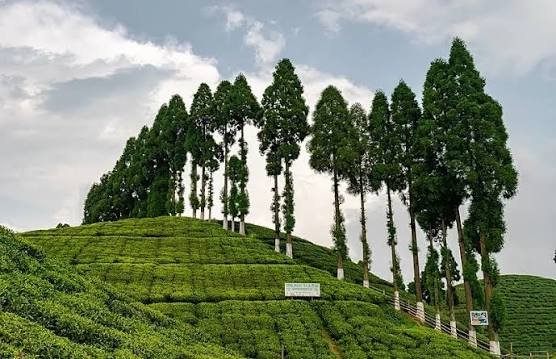
- Walk Through the Tea Gardens: The plantation itself, with its neatly terraced rows of tea bushes, offers some of the most photogenic views in the area, especially with Kanchenjunga visible on clear days.
- Attend a Tea-Tasting Session: Most guided tours end with a tasting of the estate’s own organic tea, giving visitors a direct sense of the flavour profile they’ve just seen being produced.
- Buy Tea Directly from the Estate: The outlet on-site sells freshly processed Darjeeling tea, often considered more authentic and reasonably priced than tea bought from general market shops in town.
- Photograph the Himalayan Backdrop: On clear mornings, the combination of green tea terraces and snow-capped peaks in the distance makes for one of Darjeeling’s best photo opportunities.
Best Time to Visit Happy Valley Tea Estate
Since the estate is a working tea garden rather than a static tourist site, timing your visit around the tea-plucking calendar genuinely changes what you’ll see.
- March to May (First Flush Season): Widely considered the best window, coinciding with Darjeeling’s famous first-flush harvest, mild spring weather, and active factory operations.
- September to November (Second Flush/Autumn): An equally strong period, with the autumn flush in production and clearer post-monsoon skies offering better mountain visibility.
- December to February: The factory largely stops plucking and processing during these months, so while the gardens remain visitable, the working factory experience is significantly reduced.
- June to September (Monsoon): Generally less recommended, since heavy rainfall can make outdoor garden walks less comfortable, though the plantation does look notably lush during this period.
How to Reach Happy Valley Tea Estate
Given its proximity to Darjeeling town, reaching the estate is one of the simpler logistics in a broader Darjeeling itinerary.
- By Road from Darjeeling Town: A short 2-3 km drive taking roughly 5-8 minutes by taxi, auto, or even a manageable walk for those staying centrally.
- By Train (Darjeeling Himalayan Railway): The estate sits just 2.5 km from Darjeeling’s own railway station, making it an easy add-on for those arriving via the UNESCO-listed toy train.
- By Rail (Broad Gauge): Siliguri Junction, roughly 66 km away, is the nearest major railway station for those arriving from other parts of India, followed by a scenic 2-2.5 hour road journey up to Darjeeling.
- By Air: Bagdogra Airport, around 100 km from Darjeeling, is the nearest airport, well-connected to major Indian cities, with the onward journey completed by taxi or shared vehicle.
- Local Transport: Once in Darjeeling, local taxis, shared cabs, or app-based reserved rides easily cover the short final stretch to the estate.
Practical Tips for Visiting Happy Valley Tea Estate
A few details help make the visit smoother, especially given how much timings and fees vary by source.
- Confirm current entry fees and operating days directly with the estate or a local guide before visiting, since reported figures and closure days vary noticeably across sources.
- Visit in the morning for the freshest aroma from the factory floor and better natural light for photography.
- Combine the visit with nearby Lloyd’s Botanical Garden, which sits close by and pairs naturally with a half-day Darjeeling itinerary.
- Buy tea directly from the estate outlet rather than assuming market shops offer the same authenticity or freshness.
- Carry a light jacket regardless of season, since Darjeeling’s altitude keeps mornings and evenings cool year-round.
FAQs
Q1. Is the factory tour worth it if I visit during winter when tea isn’t being plucked?
The gardens and museum remain visitable, but since processing largely pauses between December and February, visitors specifically wanting to see the live factory process should plan around the March-November window instead.
Q2. Do I need to book the guided tour in advance, or can I just walk in?
Walk-in visits are generally possible on regular operating days, but booking ahead is advisable during peak tourist season (spring and autumn) or around any local tea festivals to avoid long waits.
Q3. Is Happy Valley Tea Estate worth visiting if I’ve already toured other Darjeeling tea gardens?
Its status as the second-oldest estate and one of the highest tea factories in the world gives it a distinct historical angle, so it’s still worth a visit even for those who’ve seen other gardens, particularly for the factory-floor tour itself.
Q4. Can I combine a Happy Valley visit with a toy train ride in the same day?
Yes, since the estate sits just 2.5 km from Darjeeling’s railway station, it’s easy to pair a toy train ride with a tea estate visit in a single half-day itinerary without much backtracking.